

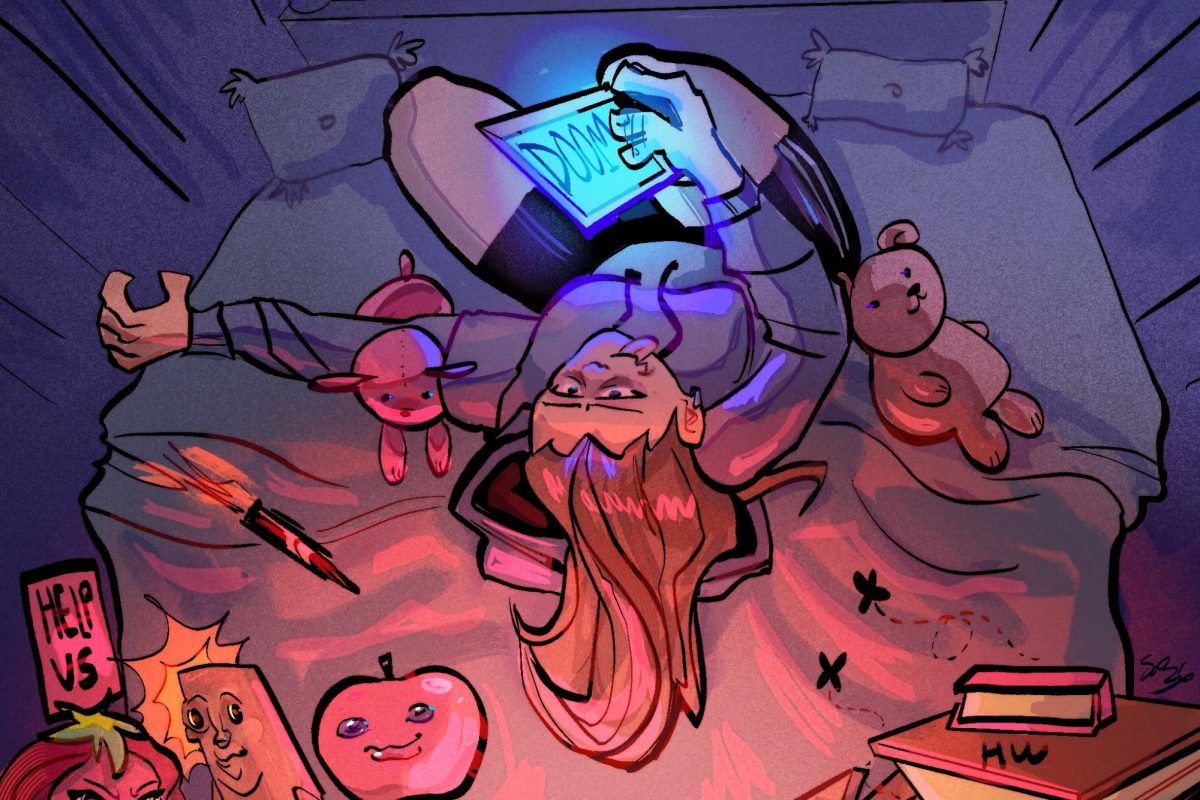














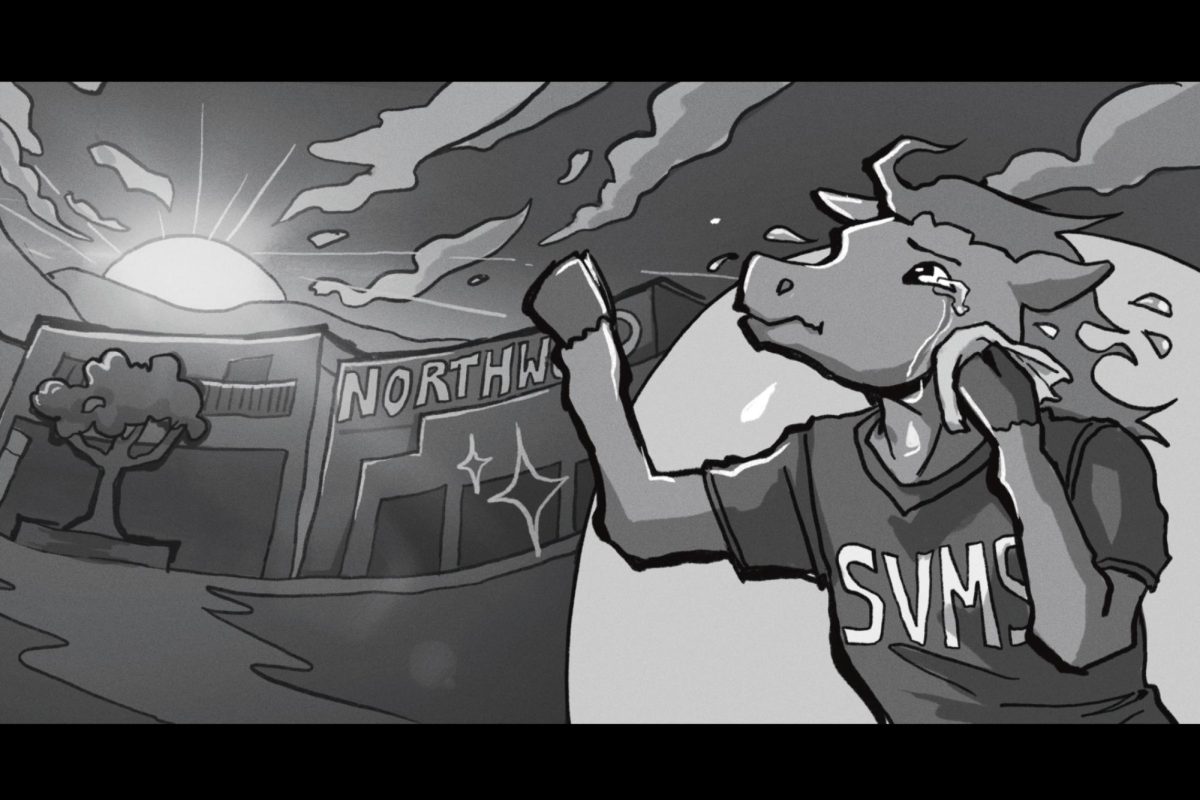









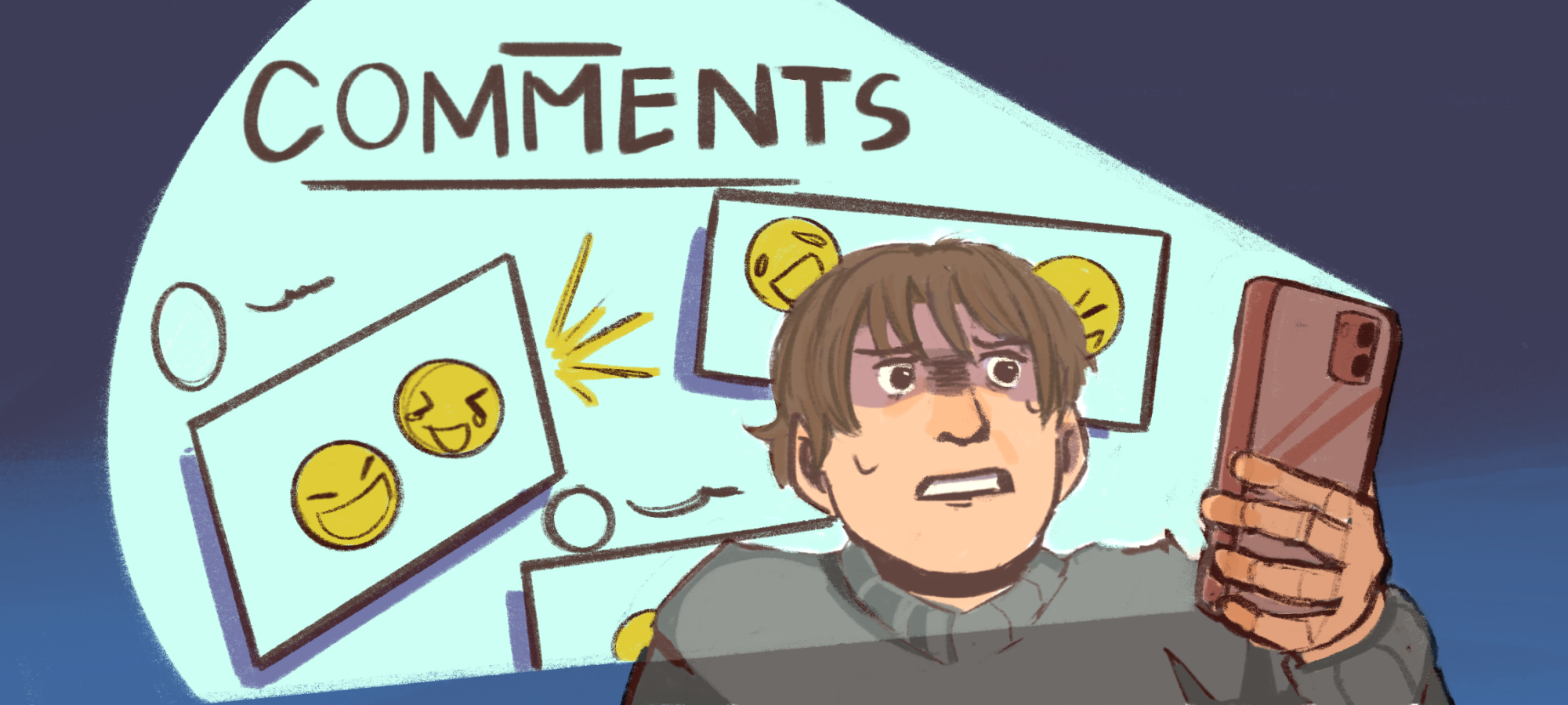
While scrolling through the excessive amount of content discussing the same horrific topic over and over again, you open the comments section and see … memes?
As our generation are increasingly exposed to social media, we must stop normalizing using humor to respond to serious real-world issues; it diminishes the severity of issues and leads to disillusionment as to what actual activism looks like.
In response to the growing hostility and violent detainment approaches of Immigration and Customs Enforcement, many social media users have criticized the government through unserious reaction images. Responses such as the “I like my ice crushed” meme have surged, aiming to ridicule the government in a joking manner. The same pattern appears in videos regarding the Iran War, such as a common trend saying “first war, kinda nervous.”
This behavior can be categorized as “memetic warfare”; we have created a culture where joking about ICE, the state of our government and other real-world events has become normal. A psychological analysis written by professional counselor Theodor Napp discussed Gen Z’s use of new and unique humor styles as a coping mechanism. As Gen Z, ranging from ages 14 to 29, has been the first generation to grow up surrounded by social media, they have witnessed a considerable amount of ICE detainments and news about the Iran war. Therefore, users resort to humor as a coping mechanism to deal with and disassociate from reality in hopes to gain relief.
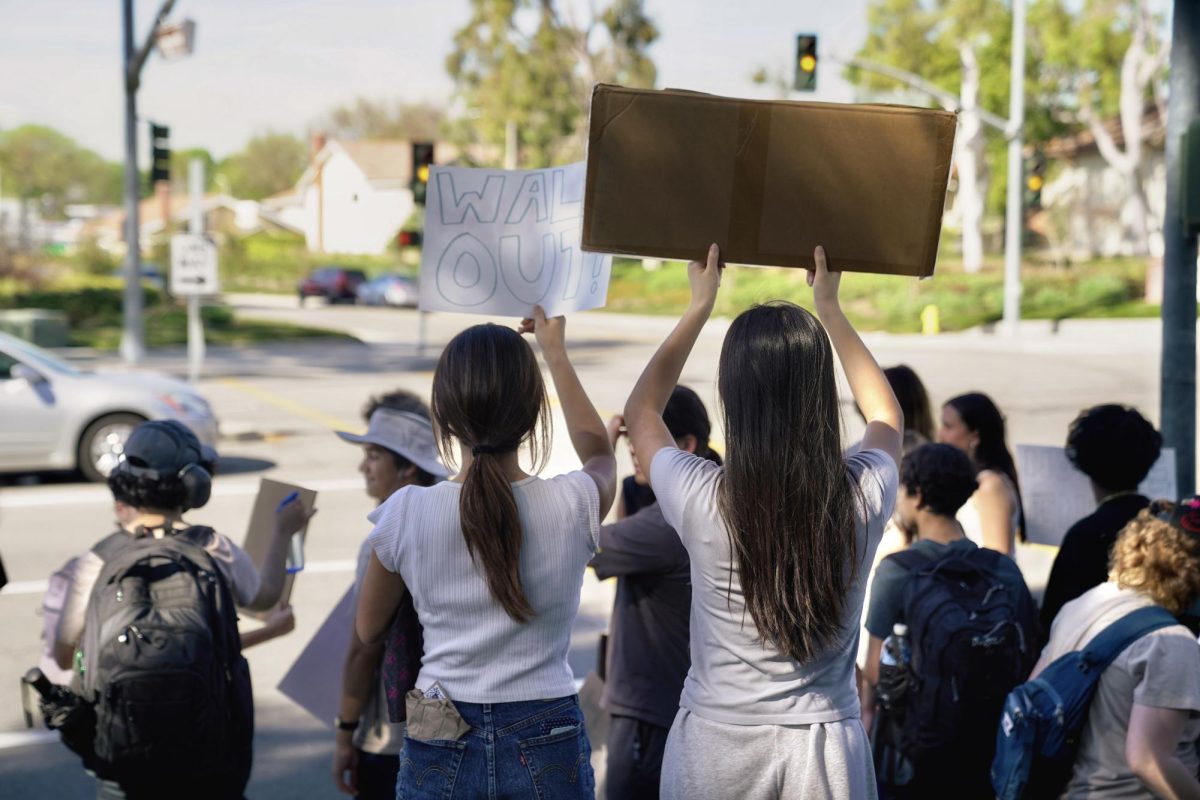
Unserious remarks don’t solely happen on screens, but occur in school as well, creating an environment that closes off meaningful discussion. Northwood’s government courses stimulate discussion and awareness of political events happening in the U.S. government, but students sometimes act unseriously.
“I personally would love it if someone would actually talk about what the event was and not just joke about it or talk about what TikTok or Instagram has said about it,” senior Sarina Bastani said. “I think it hurts our generation a lot too, because students don’t understand what’s actually going on. They just know what they see online, from their friends and the jokes they hear around.”
While jokes can lighten the mood, we must refrain and be sensitive to others’ feelings in relation to world affairs.
Primarily, having empathy is the key to communicating and building trust with others. When creating or interacting with humorous posts, social media users often forget to acknowledge the feelings of others who find this topic sensitive. Without empathy, classrooms also suffer from not being able to hold meaningful conversations about real-world crises.
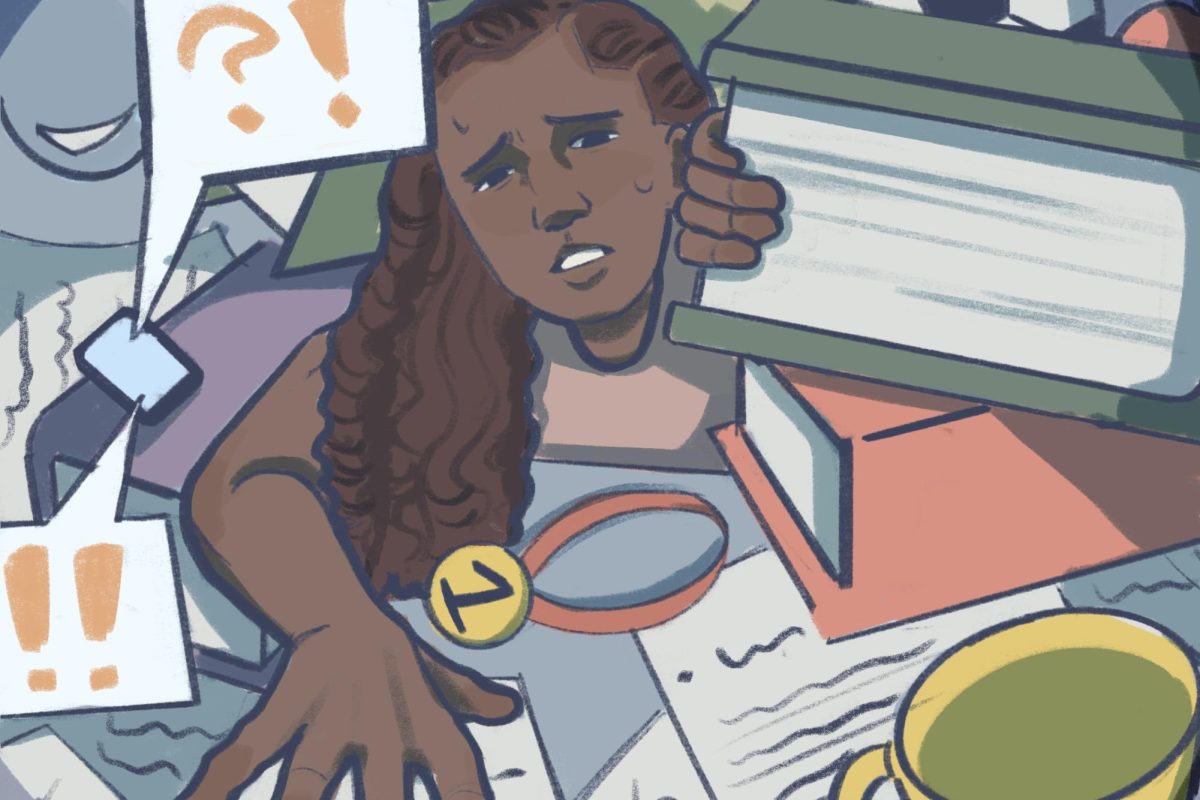
Using humor as a self-comforting practice is also counterproductive in working toward a solution to real-world issues because it pushes the problem away, making a solution to the problem seem less urgent. Without addressing the root cause, people fall into a state of passivity, using quick emotional relief as a placeholder for meaningful action.
Users can refrain from interacting with, liking or promoting humorous posts about sensitive topics, as this boosts the content’s popularity and increases the likelihood that it appears on others’ social media pages.
Though using humor as a method for coping is useful, our generation needs to learn the difference between a suitable response to sensitive topics and a response that disrespects and minimizes the issue instead.