
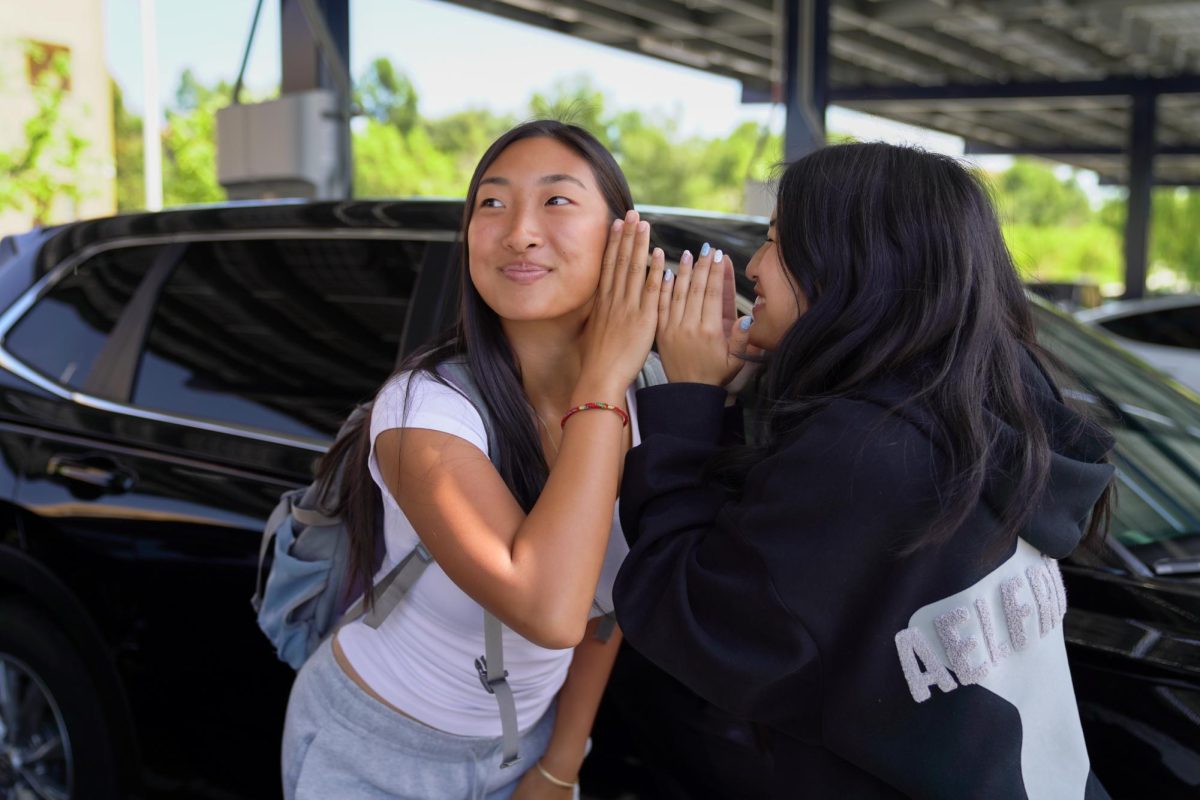
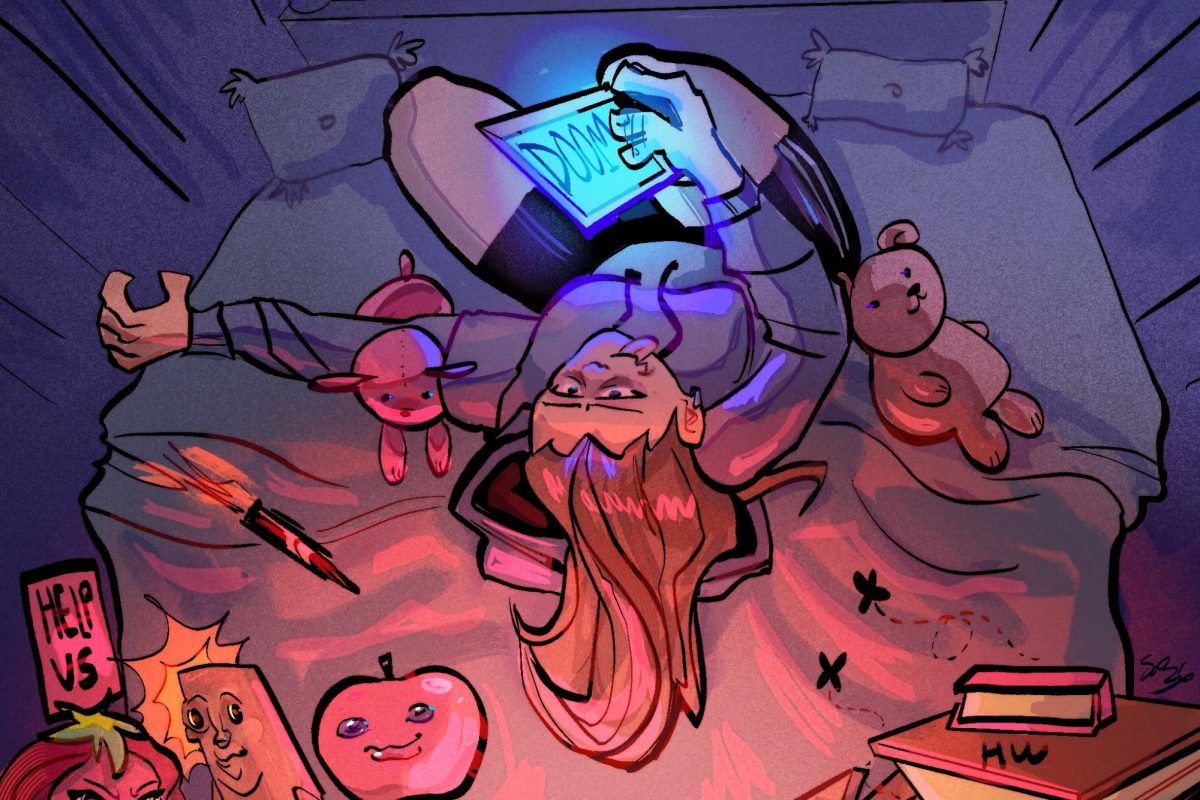
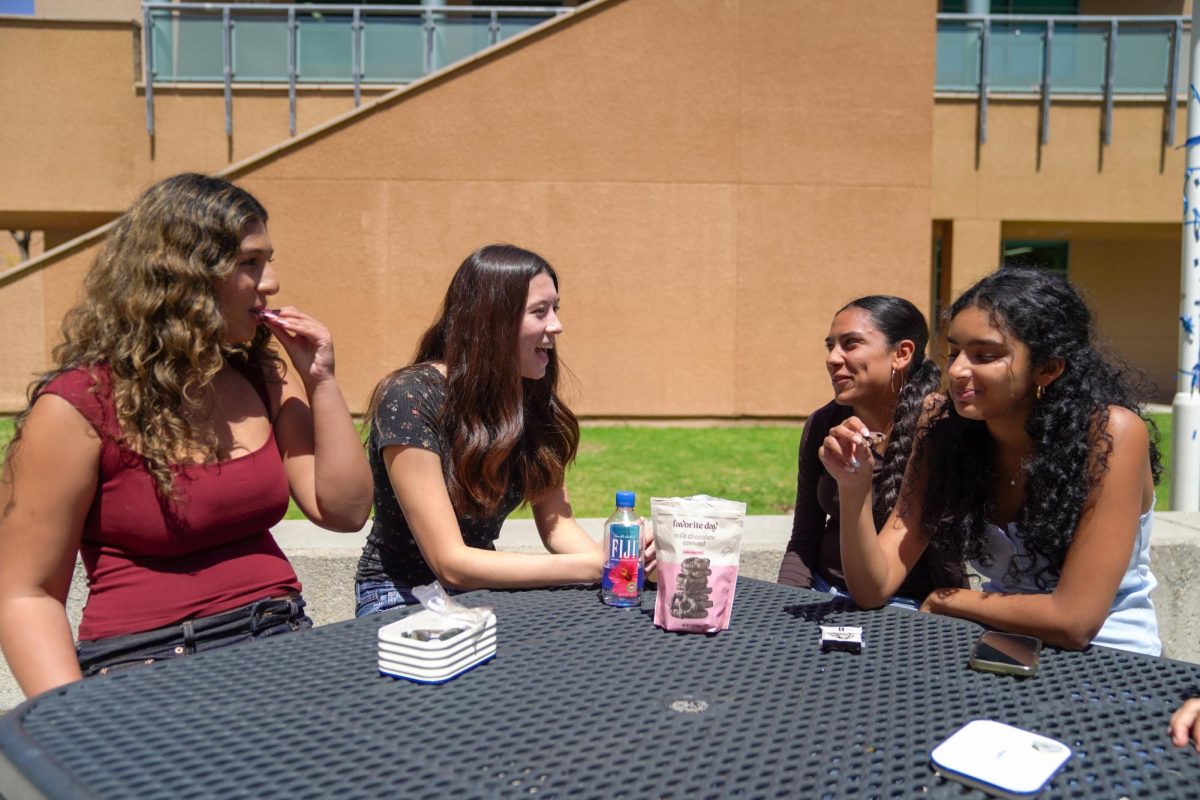





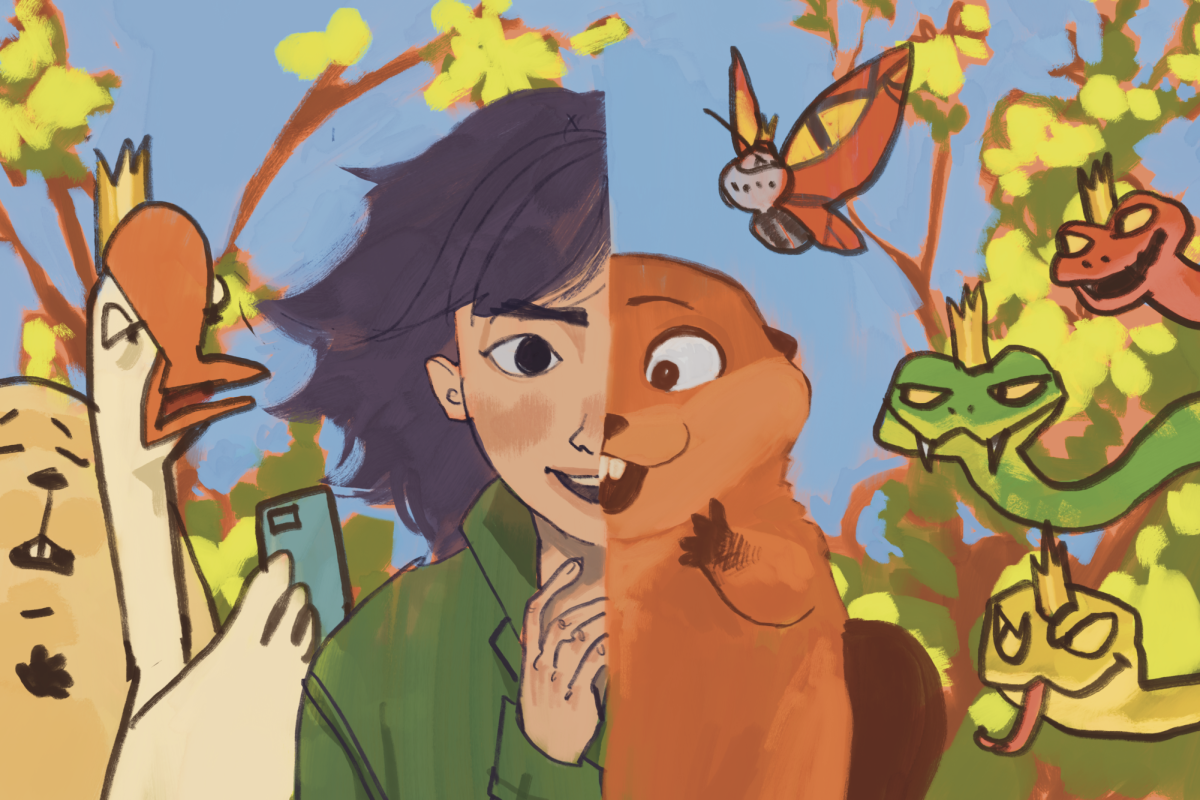














Far too often, people forget younger boys’ mental health. Whether inside doomscrolling or outside surrounded by friends that feel like strangers, many young boys struggle to find a purpose, frequently unable to lean on others for support due to harmful notions that associate vulnerability with weakness.
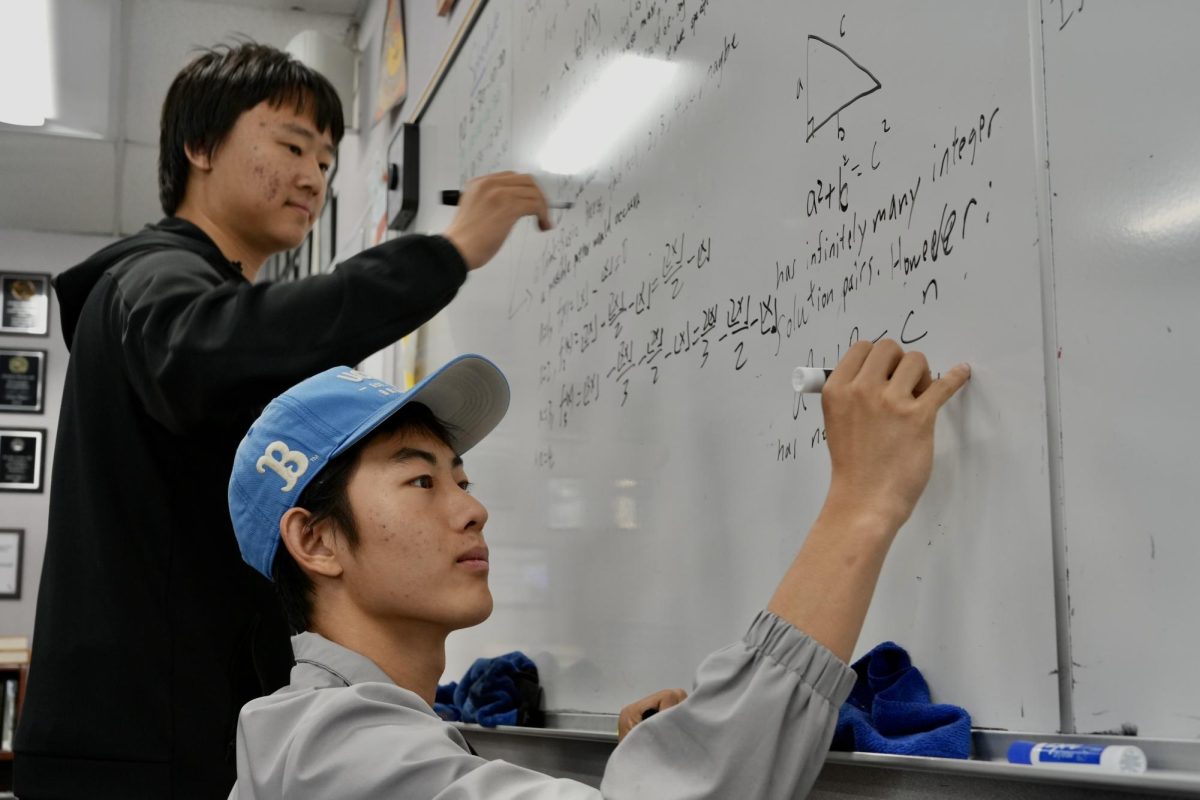
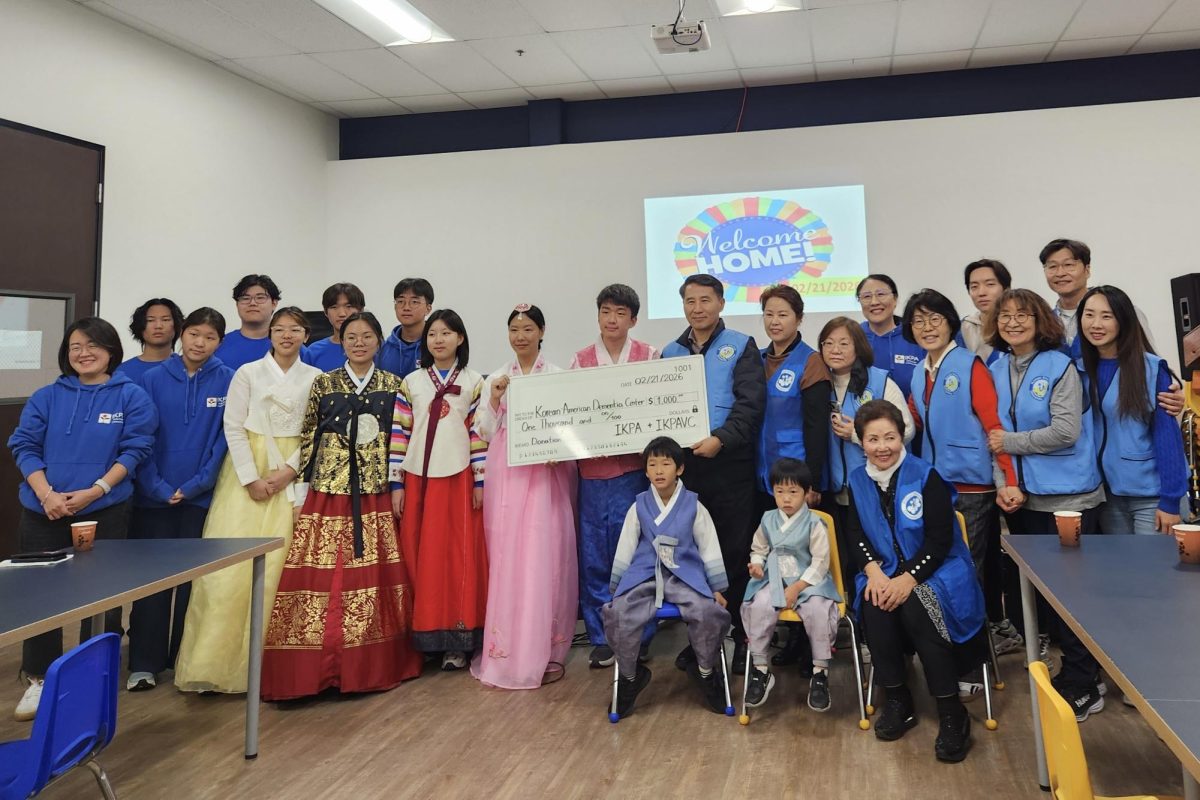
Created under Executive Order N-31-25 and introduced in September, Gov. Gavin Newsom’s California Men’s Service Challenge aims to rally 10,000 young men and boys to serve as mentors, coaches and tutors to male peers, connecting isolated young males through a fulfilling relationship of providing and receiving help.
The state gave $5 million to California Volunteers, the agency organizing the Service Challenge, tasking them with granting funds to organizations such as nonprofits, cities and school districts, to create or expand volunteer programs targeted to assist young males.
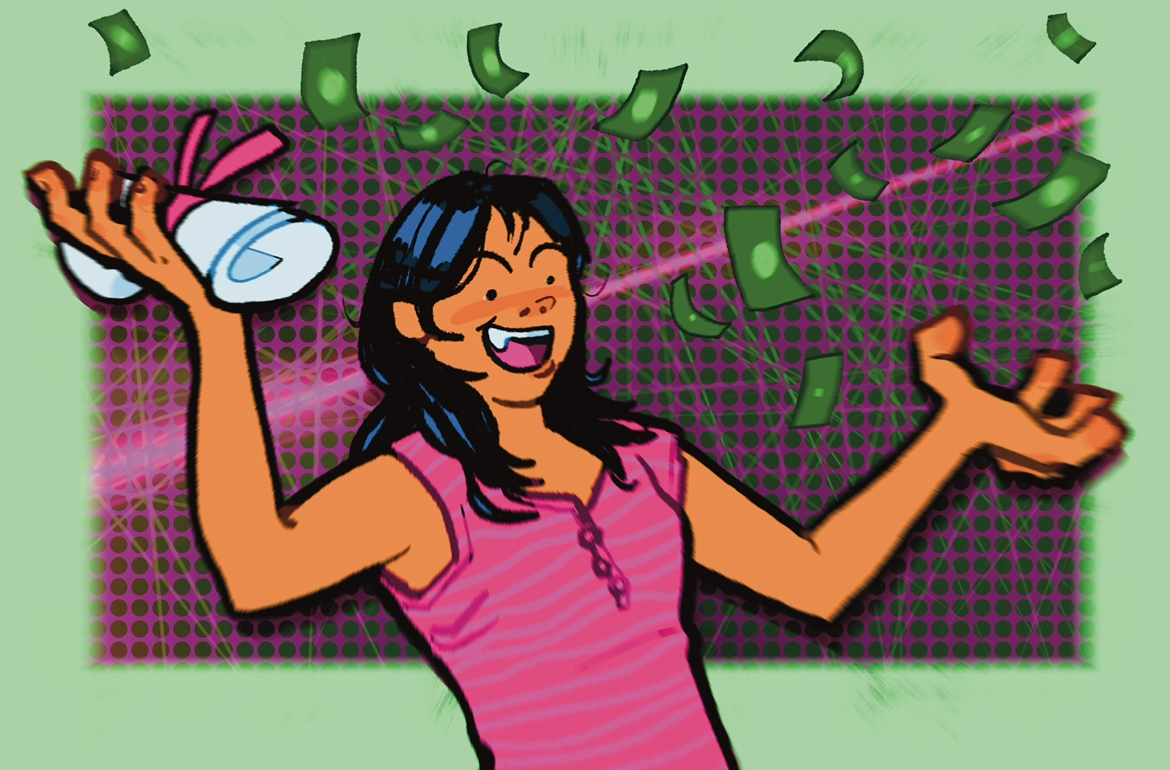
Education awards are the Service Challenge’s foremost tool to incentivize males to volunteer. Given at the end of volunteer periods is AmeriCorps’ Segal Education Award or awards from the hosting organization, the former for volunteers 17 or older and the latter for high schoolers 16 and up. They not only hold prestige but also provide money for higher education, invaluable for lessening financial burdens.
The Service Challenge encourages participating males to partake in deep in-person interaction, providing boys a purpose: serving others to benefit the public good. Working together also helps develop sorely lacking social skills to connect with others.
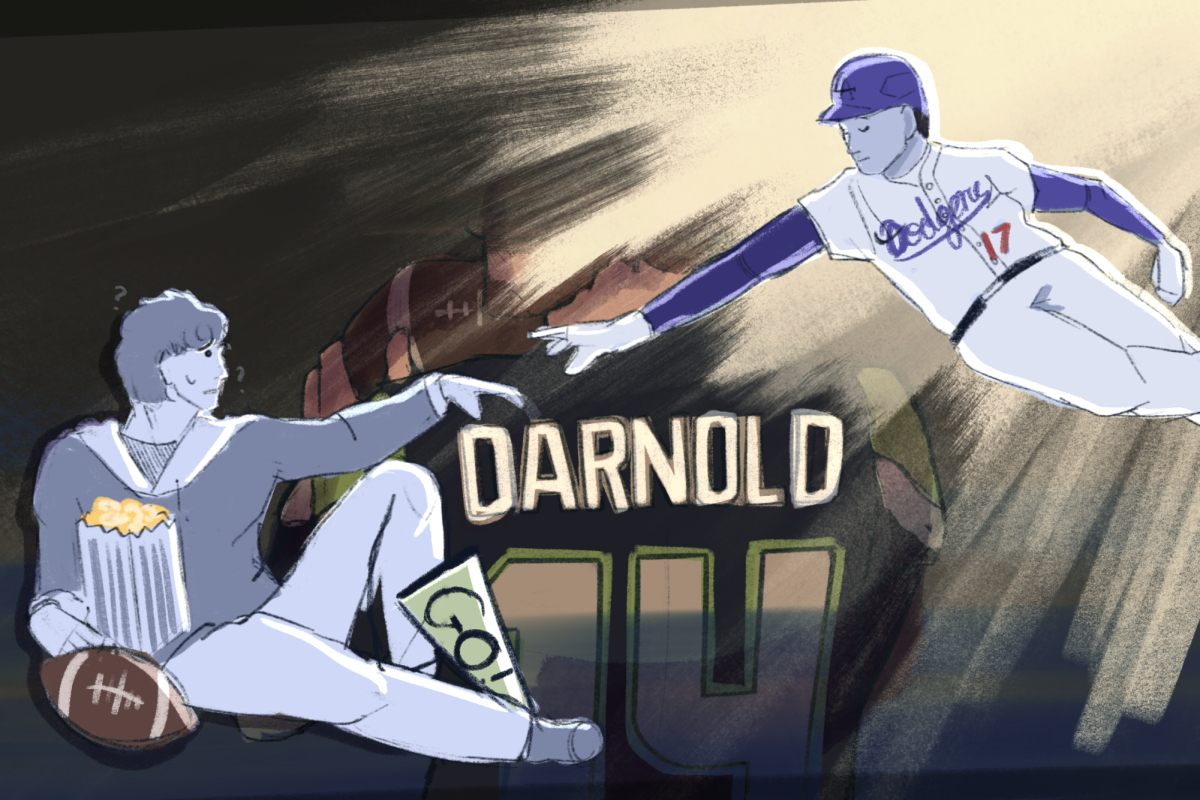
Developing close friendships is the first step to resolving loneliness, but boys have replaced face-to-face interactions with group gaming sessions that fall short at reducing their loneliness. The mentoring roles the Service Challenge especially encourages, by contrast, encourages accompanying a male peer throughout a mix of his academic, athletic or social life rather than a single in-game objective—the mentor helping his peer throughout vulnerable and celebratory moments helps them become close by creating reliance.
But even with close friends, young boys especially have difficulty relying on them: a Pew Research survey found that for teenage boys, one in six feel that they can’t turn to their close friend for emotional support. Despite exhibiting care for others, many follow a set of masculine “unwritten rules” like not crying to hide fear, which 46% of surveyed boys in July felt pressured by, that actively sweep insecurities under the rug.
Instead, influencers, especially ones from the “manosphere”, have become many young men and boys’ support systems. Three quarters of boys are regularly exposed to content related to masculinity that suggests seemingly benign advice on fitness, money and dating. Boys listen: 71% of surveyed boys highly exposed to masculinity content found influencers “inspiring”.
On the flip side, some manosphere influencers drill into young males that they are flawed, likely lacking wealth, physique or attractiveness to girls, weakening self esteem. It’s not helpful: Time spent doomscrolling those influencers could’ve been time spent working towards personal goals.
Instead, hours are spent watching them, enduring quasi-ads for online courses or misogynistic rants blaming feminism for making men fail—all for advice that a wise friend would beat tenfold.
That’d be friends like those that can be found in the mentors, tutors and coaches the Service Challenge pairs boys with. Respecting a mentor’s courage, identifying with a counselor’s care for others and pursuing their undying passions like teachers do for their students, serves as a healthier life model.Really, the void of mental health is more like a Minecraft void than a real void. If you’re stuck in survival mode, know that there are people out there more than happy to help you break through the bedrock barrier and enter a more joyful world.