













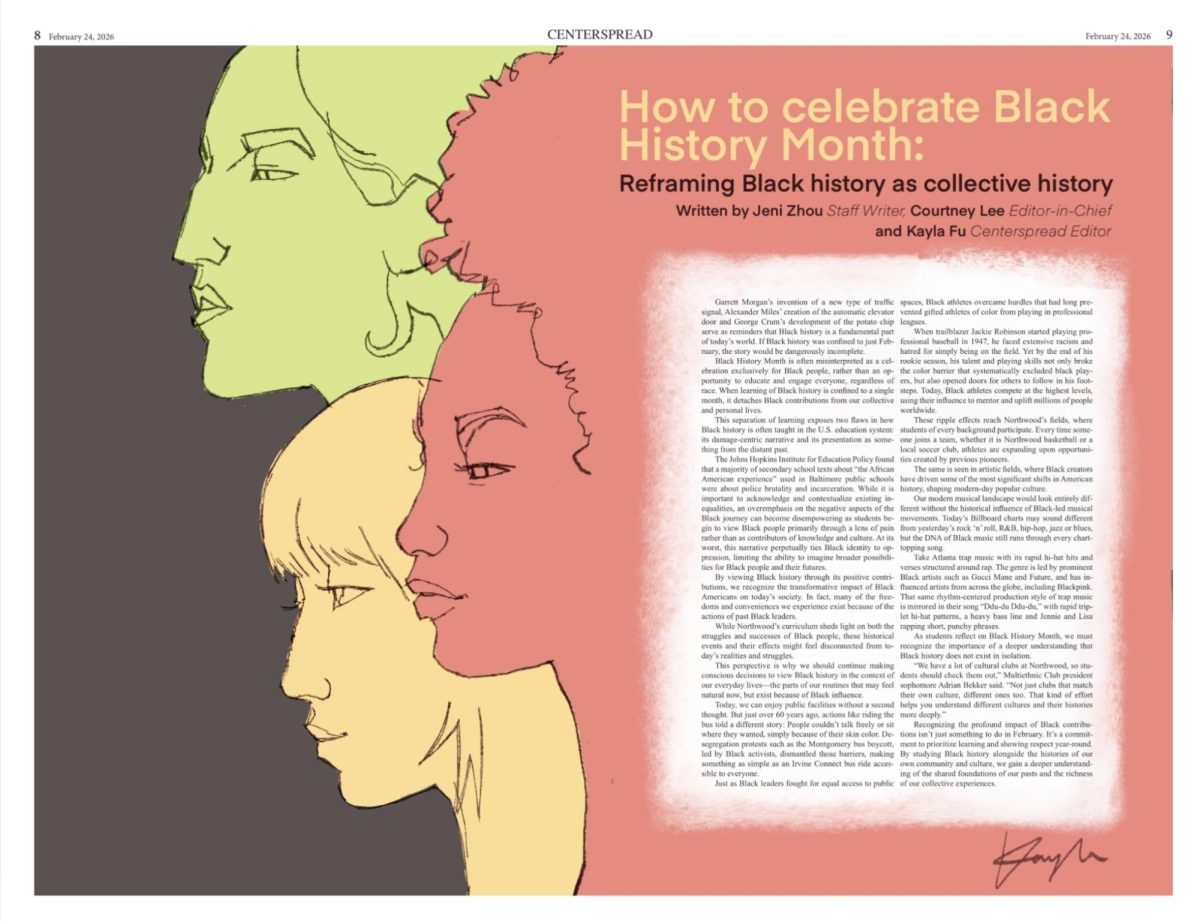




















Garrett Morgan’s invention of a new type of traffic signal, Alexander Miles’ creation of the automatic elevator door and George Crum’s development of the potato chip serve as reminders that Black history is a fundamental part of today’s world. If Black history was confined to just February, the story would be dangerously incomplete.
Black History Month is often misinterpreted as a celebration exclusively for Black people, rather than an opportunity to educate and engage everyone, regardless of race. When learning of Black history is confined to a single month, it detaches Black contributions from our collective and personal lives.
This separation of learning exposes two flaws in how Black history is often taught in the U.S. education system: its damage-centric narrative and its presentation as something from the distant past.
The Johns Hopkins Institute for Education Policy found that a majority of secondary school texts about “the African American experience” used in Baltimore public schools were about police brutality and incarceration. While it is important to acknowledge and contextualize existing inequalities, an overemphasis on the negative aspects of the Black journey can become disempowering as students begin to view Black people primarily through a lens of pain rather than as contributors of knowledge and culture. At its worst, this narrative perpetually ties Black identity to oppression, limiting the ability to imagine broader possibilities for Black people and their futures.
By viewing Black history through its positive contributions, we recognize the transformative impact of Black Americans on today’s society. In fact, many of the freedoms and conveniences we experience exist because of the actions of past Black leaders.
While Northwood’s curriculum sheds light on both the struggles and successes of Black people, these historical events and their effects might feel disconnected from today’s realities and struggles.
This perspective is why we should continue making conscious decisions to view Black history in the context of our everyday lives—the parts of our routines that may feel natural now, but exist because of Black influence.
Today, we can enjoy public facilities without a second thought, but just over 60 years ago, actions like riding the bus told a different story: people couldn’t talk freely or sit where they wanted, simply because of their skin color. Desegregation protests such as the Montgomery bus boycott, led by Black activists, dismantled those barriers, making something as simple as an Irvine Connect bus ride possible for everyone.
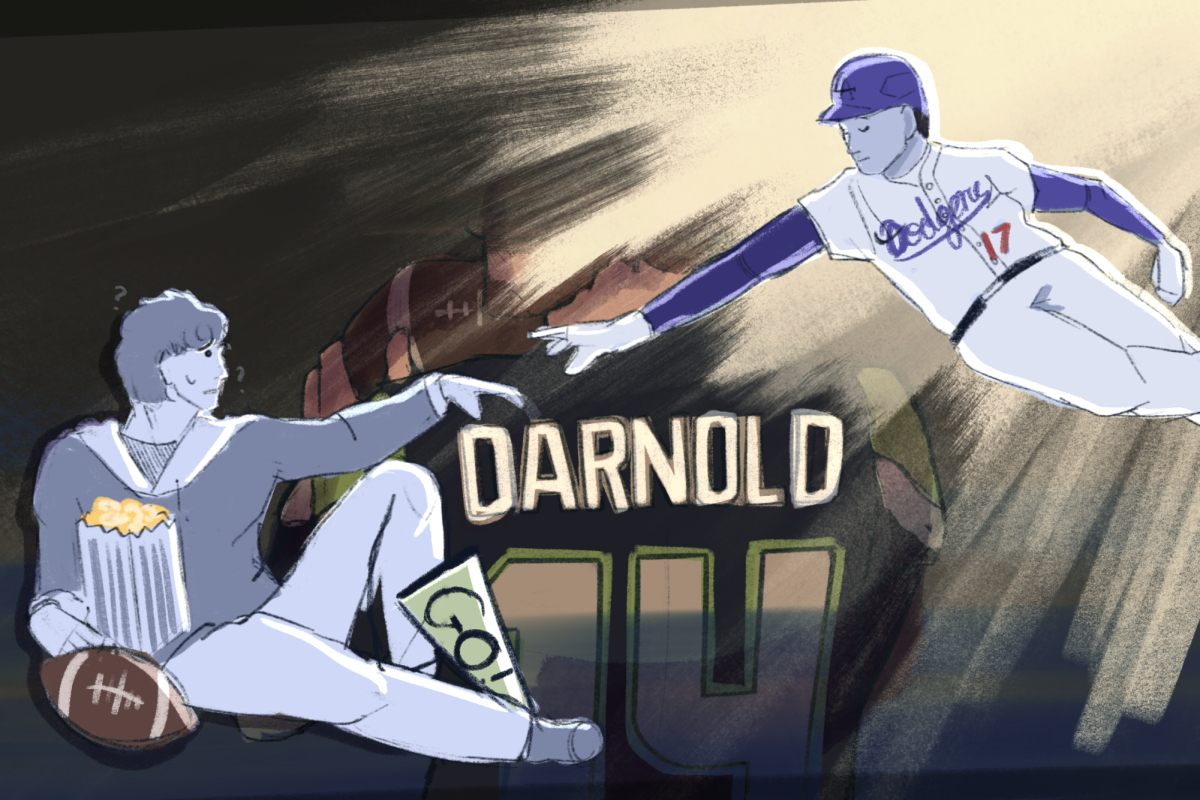
Just as Black leaders fought for equal access to public spaces, Black athletes overcame hurdles that had long prevented gifted athletes of color from playing in professional leagues.
When trailblazer Jackie Robinson started playing professional baseball in 1947, he faced extensive racism and hatred for simply being on the field. Yet by the end of his rookie season, his talent and playing skills not only broke the color barrier that systematically excluded African American players from the MLB, but also opened doors for others to follow in his footsteps. Today, Black athletes compete at the highest levels, using their influence to mentor and uplift millions of people worldwide.
These ripple effects reach Northwood’s fields, where students of every background participate. Every time someone joins a team, whether it is Northwood basketball or a local soccer club, athletes are expanding upon opportunities created by previous pioneers.
The same is seen in artistic fields, where Black creators have driven some of the most significant shifts in American history, shaping modern-day popular culture.
Our modern musical landscape would look entirely different without the historical influence of Black-led musical movements. Today’s Billboard charts may sound different from yesterday’s rock ’n’ roll, R&B, hip-hop, jazz or blues, but the DNA of Black music still runs through every chart-topping song.
Take Atlanta trap music with its rapid hi-hat hits and verses structured around rap. The genre is led by prominent Black artists such as Gucci Mane and Future, and has influenced artists from across the globe, including Blackpink. That same rhythm-centered production style of trap music is mirrored in their song “Ddu-du Ddu-du,” with rapid triplet hi-hat patterns, a heavy bass line and Jennie and Lisa rapping short, punchy phrases.
As students reflect on Black History Month, they recognize it is important to gain a deeper understanding of how Black history does not exist in isolation.
“We have a lot of cultural clubs at Northwood, so students should check them out. Not just clubs that match their own culture, different ones too. That kind of effort helps you understand different cultures and their histories more deeply,” Multiethnic Club president sophomore Adrian Bekker said.
Recognizing the profound impact of Black contributions isn’t just something to do in February. It’s a commitment to prioritize learning and respect year-round. By studying Black history alongside the histories of our own community and culture, we gain a deeper understanding of the shared foundations of our pasts and the richness of our collective experiences.