












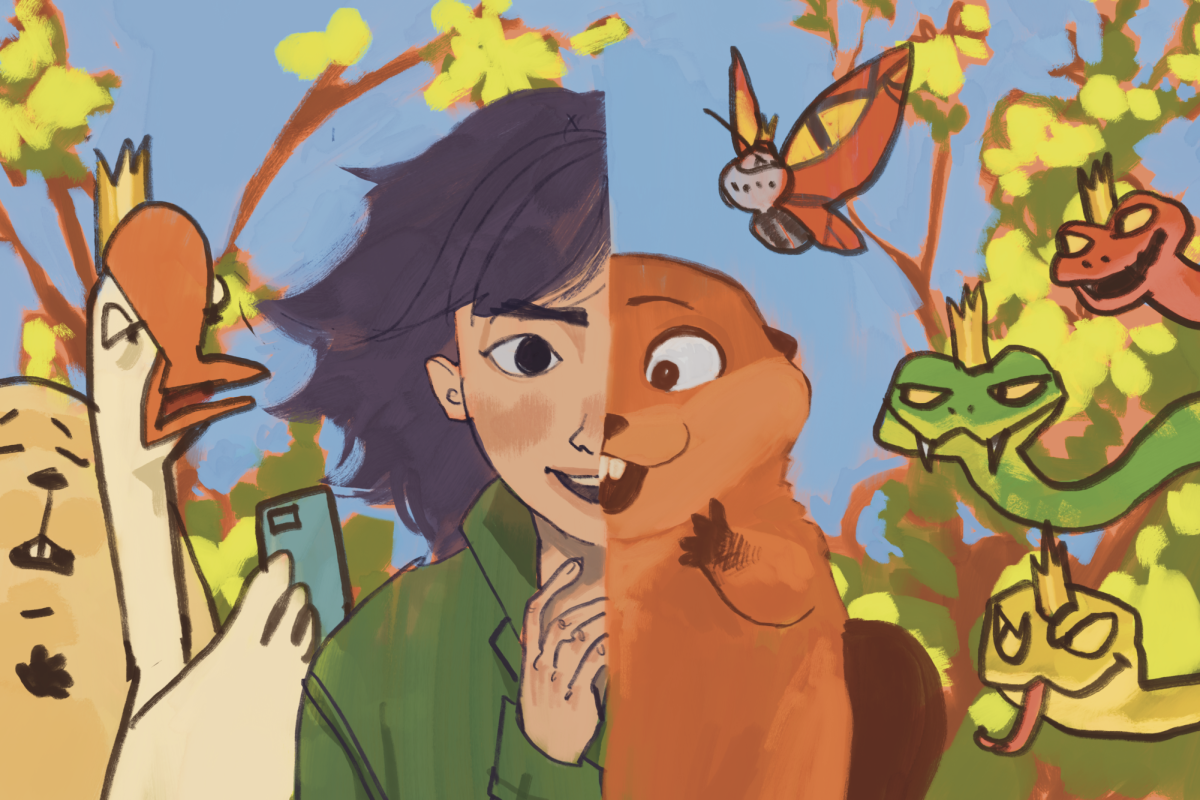
















Will Cherrita and Bananito get back together? Does Watermelina finally get her chance with Plumero?
Blaring thumbnails and headlines used to attract attention to social media reels are creating trends that amass millions of views. The new fad catching the eyes of the public? Fake, artificial-intelligence-created stories of fruits flirting on a faux reality dating show, or cartoony, plastic-y looking videos named Fruit Love Island.
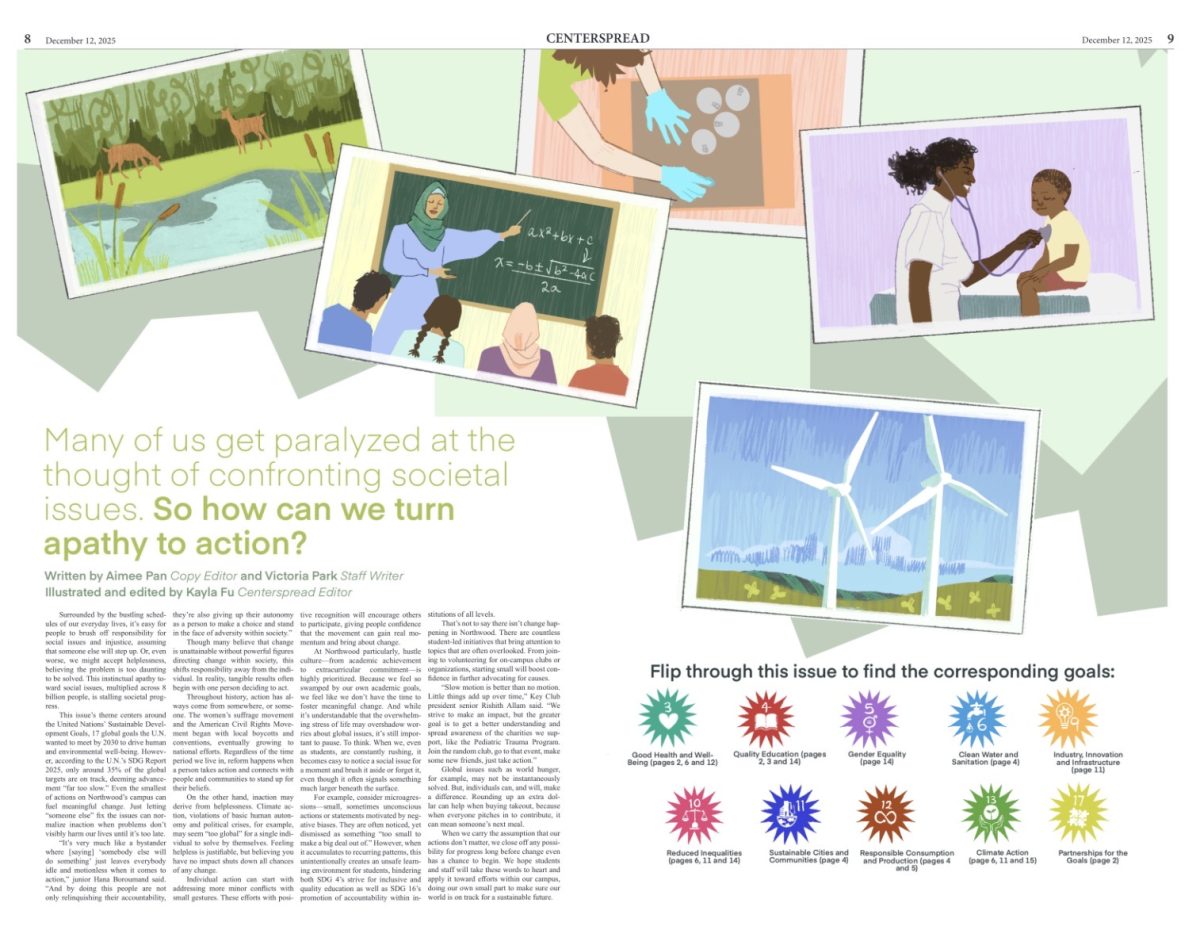
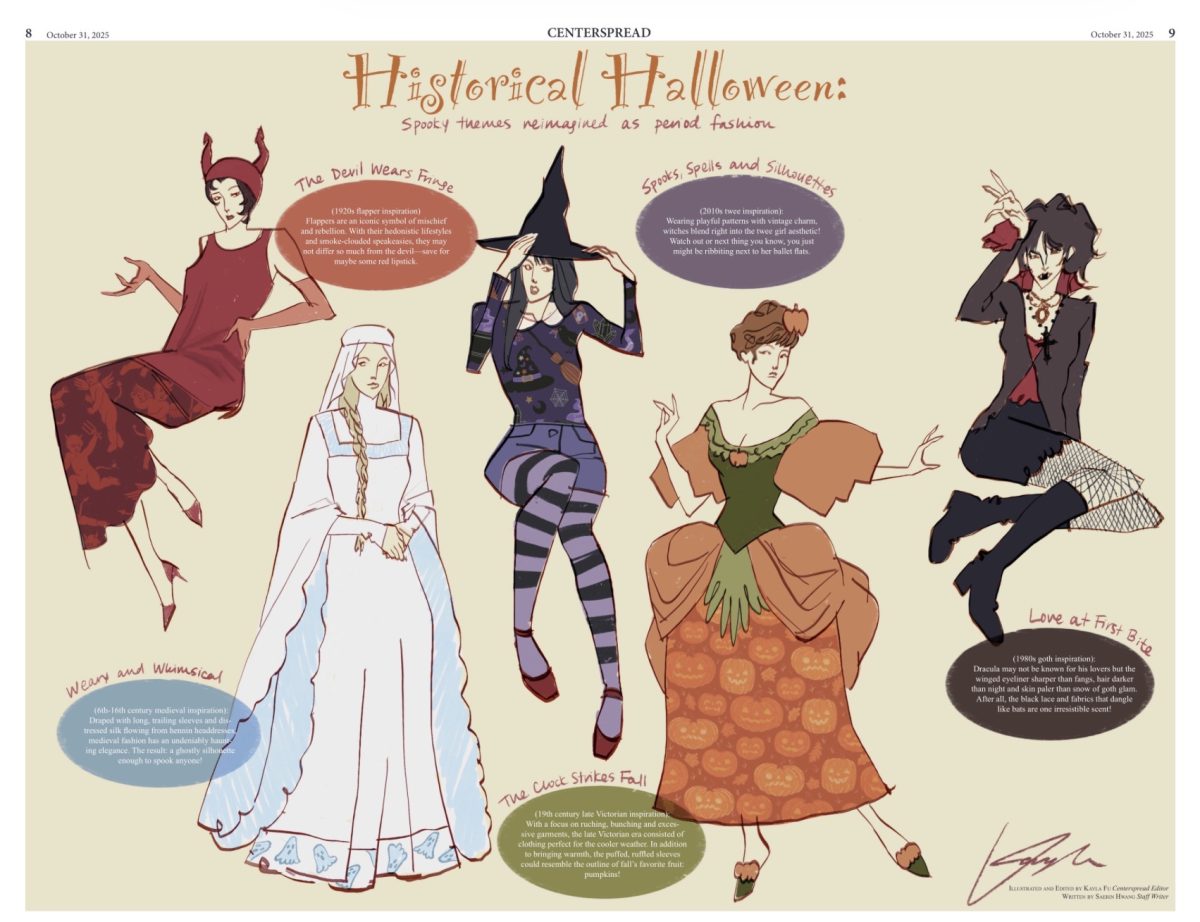
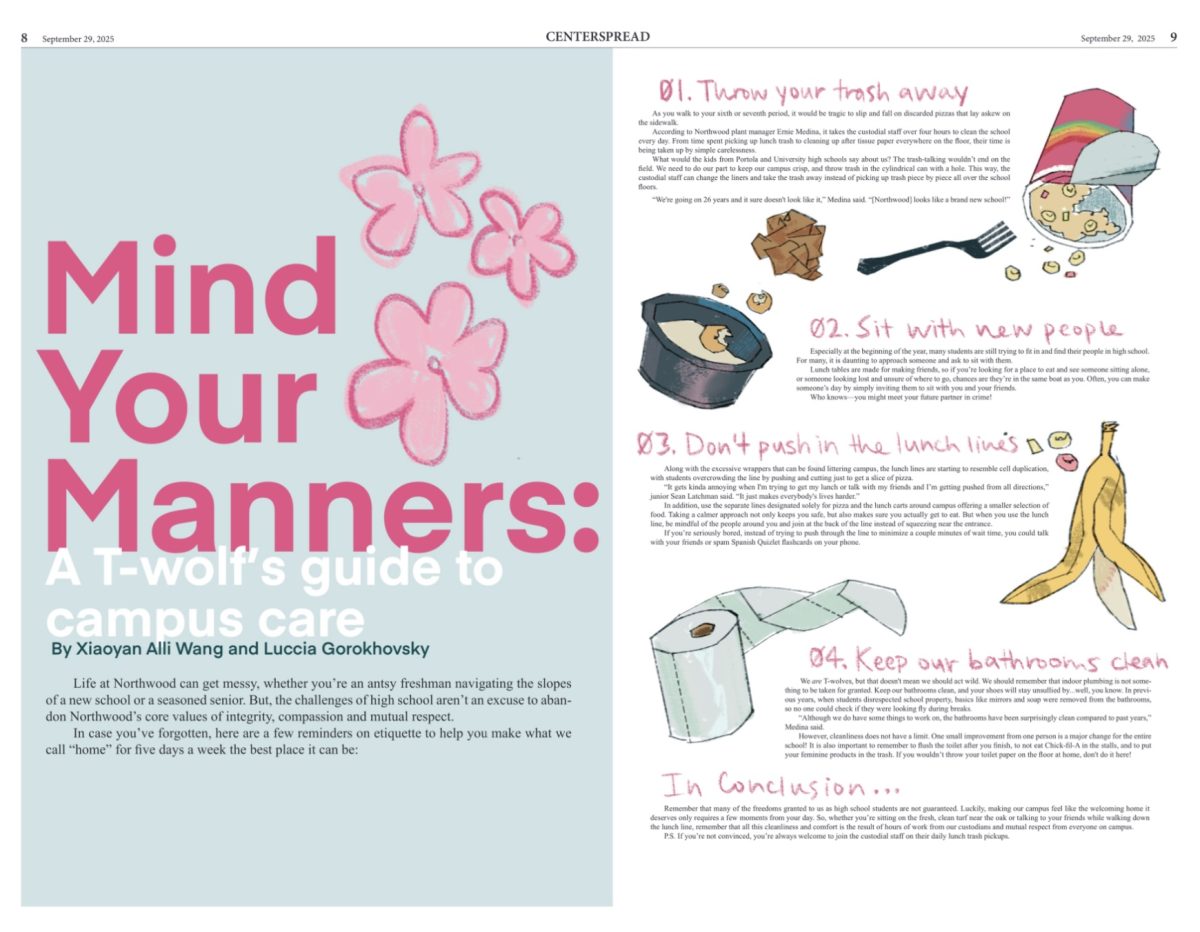
“Slop,” Merriam-Webster’s 2025 Word of the Year, is a term used to describe the mass-produced AI-generated videos propagating on social media platforms. Yet despite its ability to enable faster content creation, AI slop poses a real threat to social media users by disabling critical thinking and media literacy, while simultaneously promoting offensive rhetoric.
According to Wired, this content regurgitates information, making the internet less ideologically diverse. AI websites scored 33% higher on tests for semantic similarity, a metric used to measure the closeness of meaning between texts, compared to websites made by humans.
These videos generate thousands of likes through dramatic storylines and decompress your brain through endlessly consumable content. No media literacy or critical thinking is necessary to understand these stories where all emotions, thoughts and interactions are dictated to the viewer, meaning AI websites subtly influence social media users’ perception of thought by eroding their ability to evaluate what they are watching.
Another major danger of AI-generated slop is that it reflects and spreads bias. AI algorithms are trained on large datasets from the internet that already contain stereotypes and unequal representation. As a result, AI-generated content can support systems of power like racism, ableism and sexism.
For example, research from the United Nations Educational, Scientific and Cultural Organization shows that generative AI models can reinforce gender bias because these systems often link women to domestic roles and men to leadership positions. When these types of content are produced and consumed so quickly, the harmful messages they send become more difficult to identify and challenge.
Some argue that the efficiency and accessibility of AI-generated content are beneficial for those trying to reach larger audiences at a lower cost. For example, small businesses without access to advanced technological skills and expensive tools can more easily create promotional materials.
However, the near-instant speed of AI content generation is one of its most fatal flaws. The rapid spread of misinformation and disinformation can hinder access to credible sources. Plus, the massive and ever-increasing quantity of AI material weakens creative standards, undermining the effort of creators focused on high-quality content.
As AI-generated material becomes increasingly difficult to distinguish from human-generated content, it’s crucial that young people like us take steps to actively avoid “AI slop” when we can. Select “Not interested” when AI slop appears on your social media feeds. Sharpen your media literacy skills. Commit to submitting original academic work.
It doesn’t matter if Cherrita ends up with Bananito or if Watermelina gets a date with Plumero. What matters is that if we keep choosing to passively consume AI content, we lose critical thinking, normalize harmful misinformation and undermine the value of human creativity.