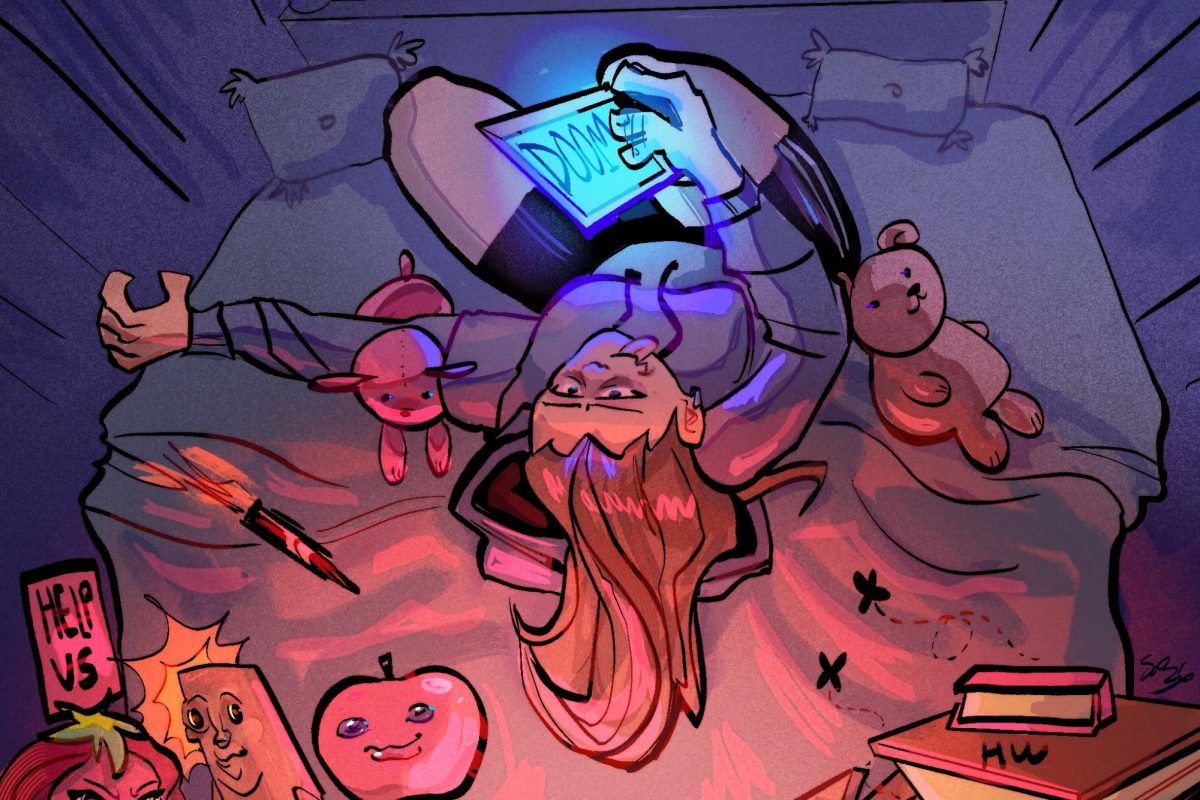




















Surrounded by the bustling schedules of our everyday lives, it’s easy for people to brush off responsibility for social issues and injustice, assuming that someone else will step up. Or, even worse, we might accept helplessness, believing the problem is too daunting to be solved. This instinctual apathy toward social issues, multiplied across 8 billion people, is stalling societal progress.
This issue’s theme centers around the United Nations’ Sustainable Development Goals, 17 global goals the U.N. wanted to meet by 2030 to drive human and environmental well-being. However, according to the U.N.’s SDG Report 2025, only around 35% of the global targets are on track, deeming advancement “far too slow.” Even the smallest of actions on Northwood’s campus can fuel meaningful change. Just letting “someone else” fix the issues can normalize inaction when problems don’t visibly harm our lives until it’s too late.
“It’s very much like a bystander where [saying] ‘somebody else will do something’ just leaves everybody idle and motionless when it comes to action,” junior Hana Boroumand said. “And by doing this people are not only relinquishing their accountability, they’re also giving up their autonomy as a person to make a choice and stand in the face of adversity within society.”
Though many believe that change is unattainable without powerful figures directing change within society, this shifts responsibility away from the individual. In reality, tangible results often begin with one person deciding to act.
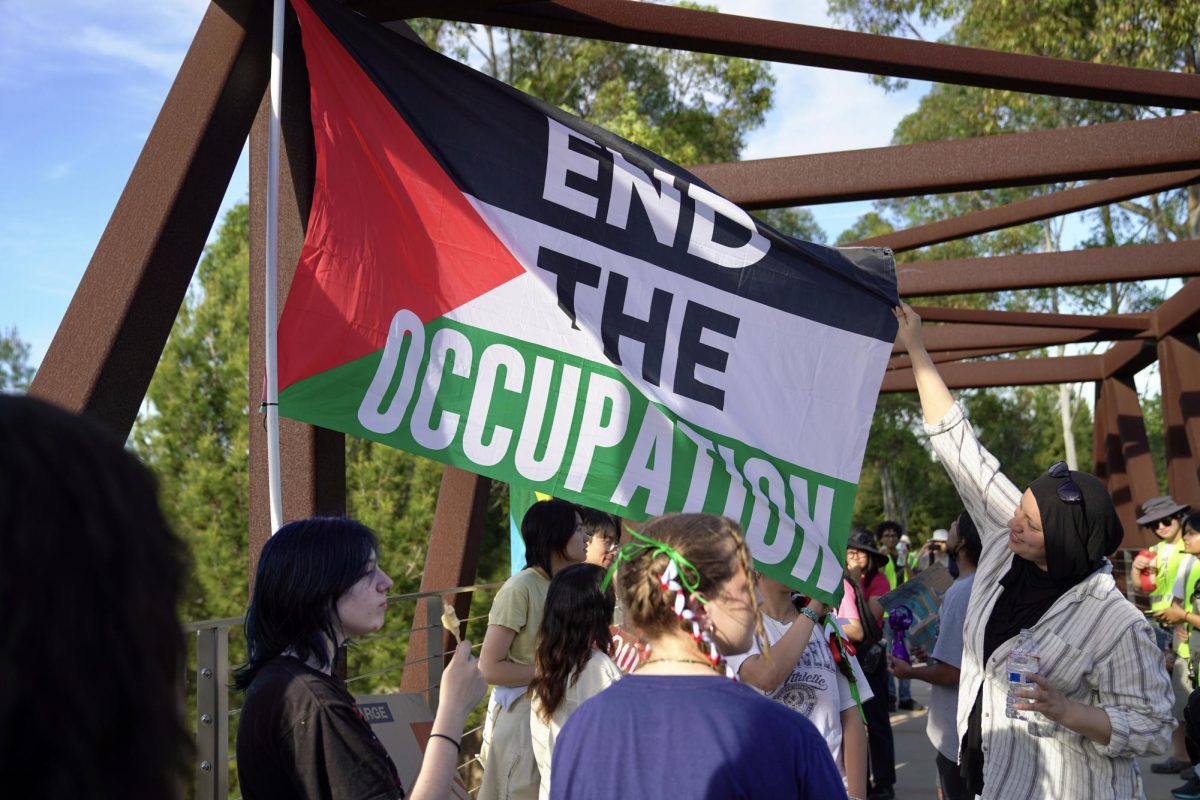
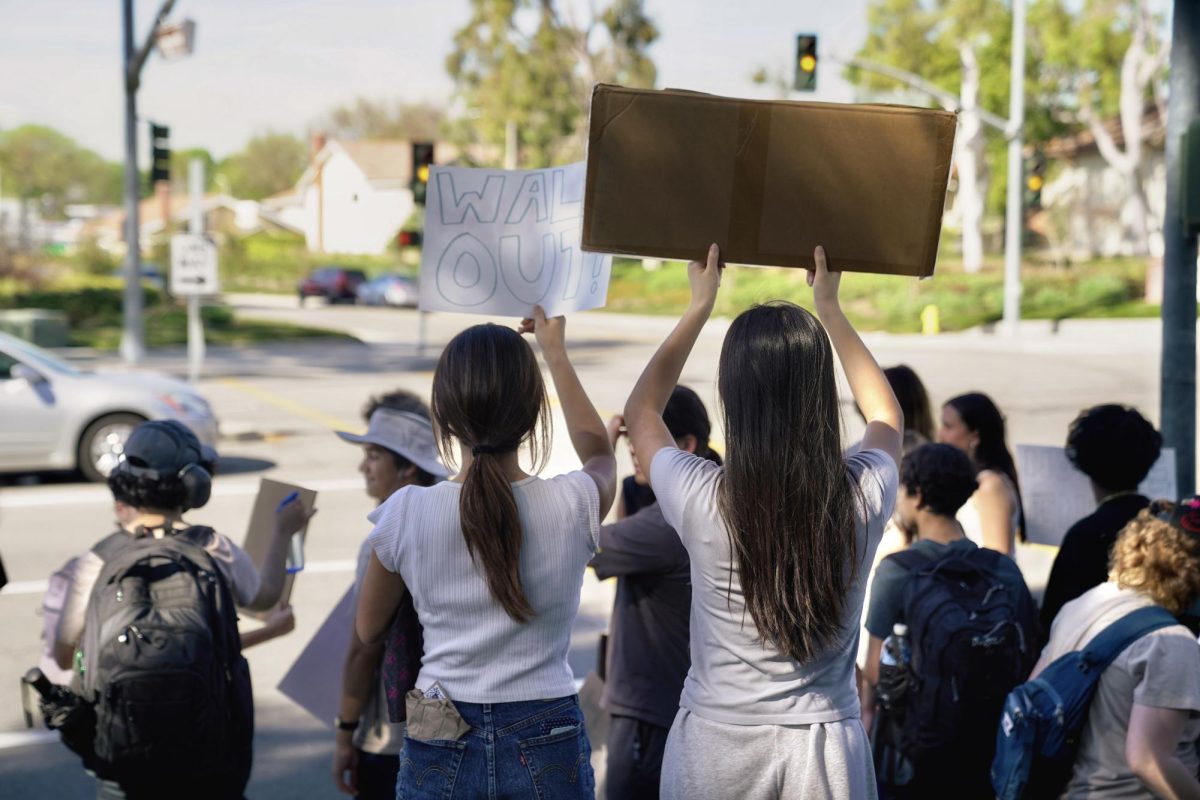
Throughout history, action has always come from somewhere, or someone. The women’s suffrage movement and the American Civil Rights Movement began with local boycotts and conventions, eventually growing to national efforts. Regardless of the time period we live in, reform happens when a person takes action and connects with people and communities to stand up for their beliefs.
On the other hand, inaction may derive from helplessness. Climate action, violations of basic human autonomy and political crises, for example, may seem “too global” for a single individual to solve by themselves. Feeling helpless is justifiable, but believing you have no impact shuts down all chances of any change.
Individual action can start with addressing more minor conflicts with small gestures. These efforts with positive recognition will encourage others to participate, giving people confidence that the movement can gain real momentum and bring about change.
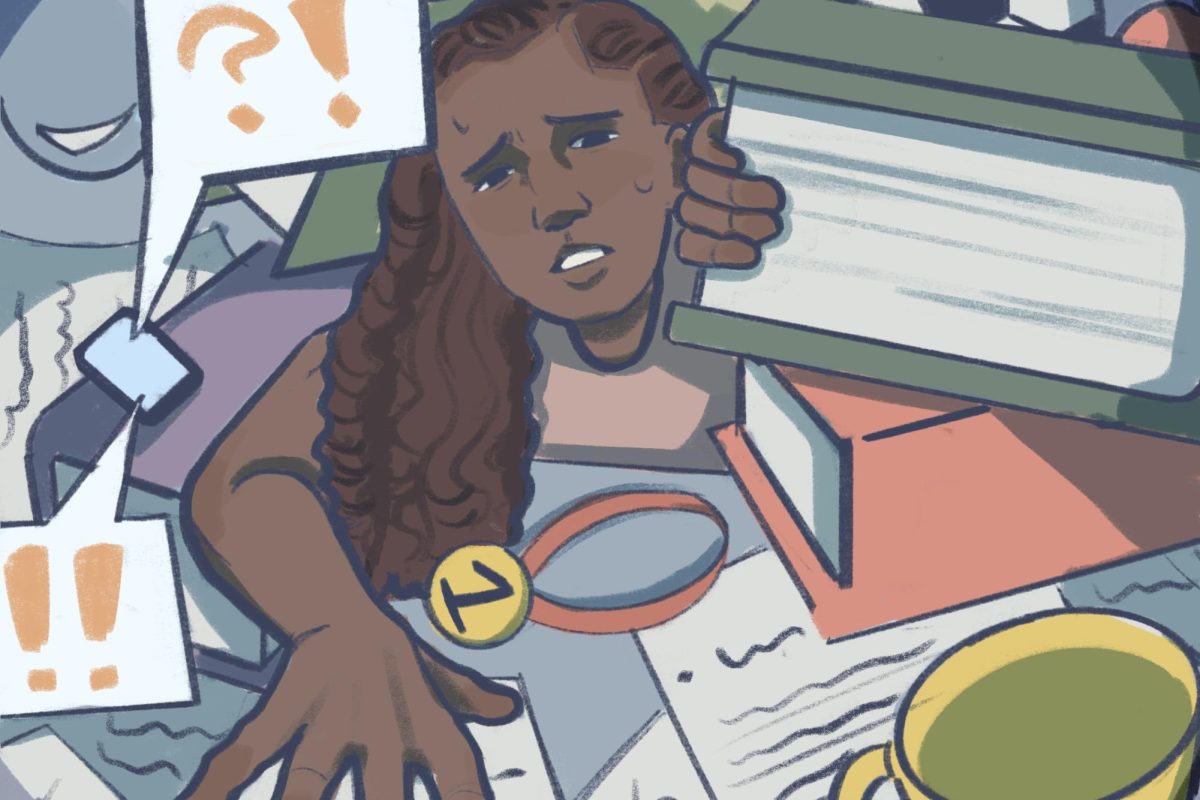
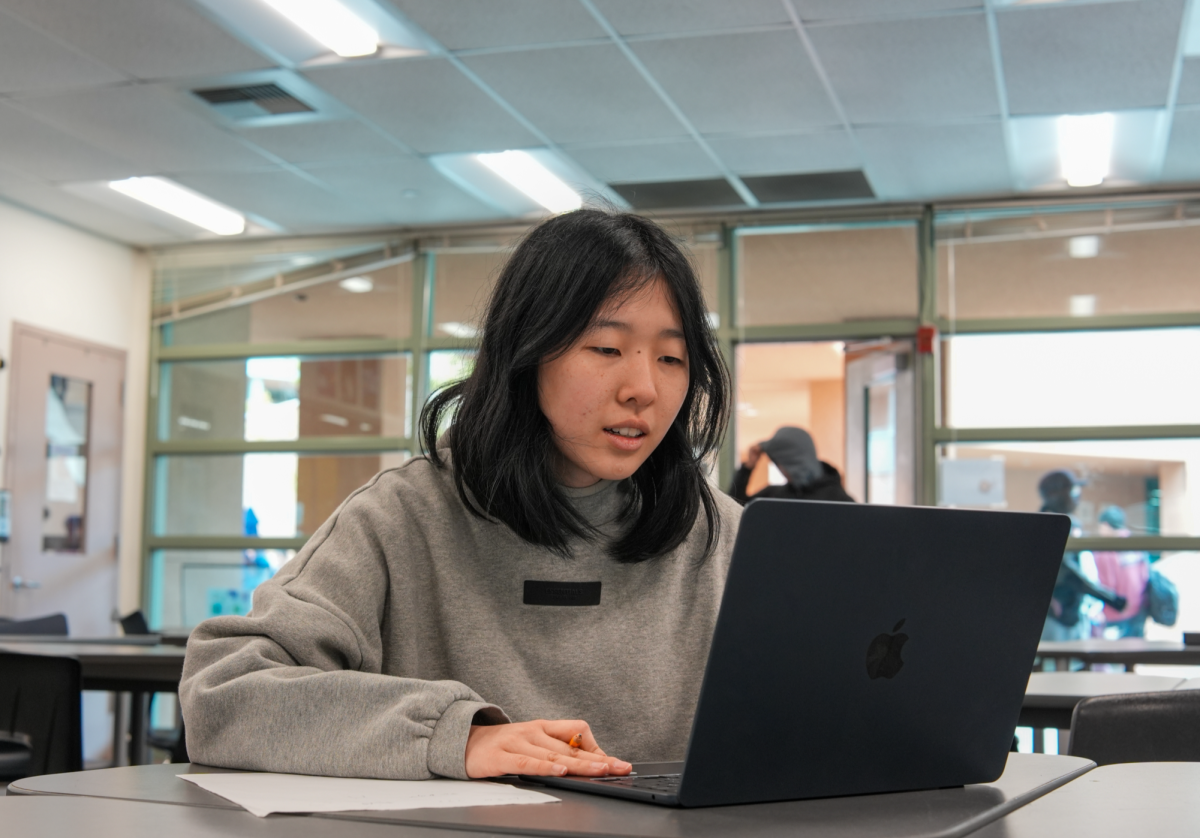
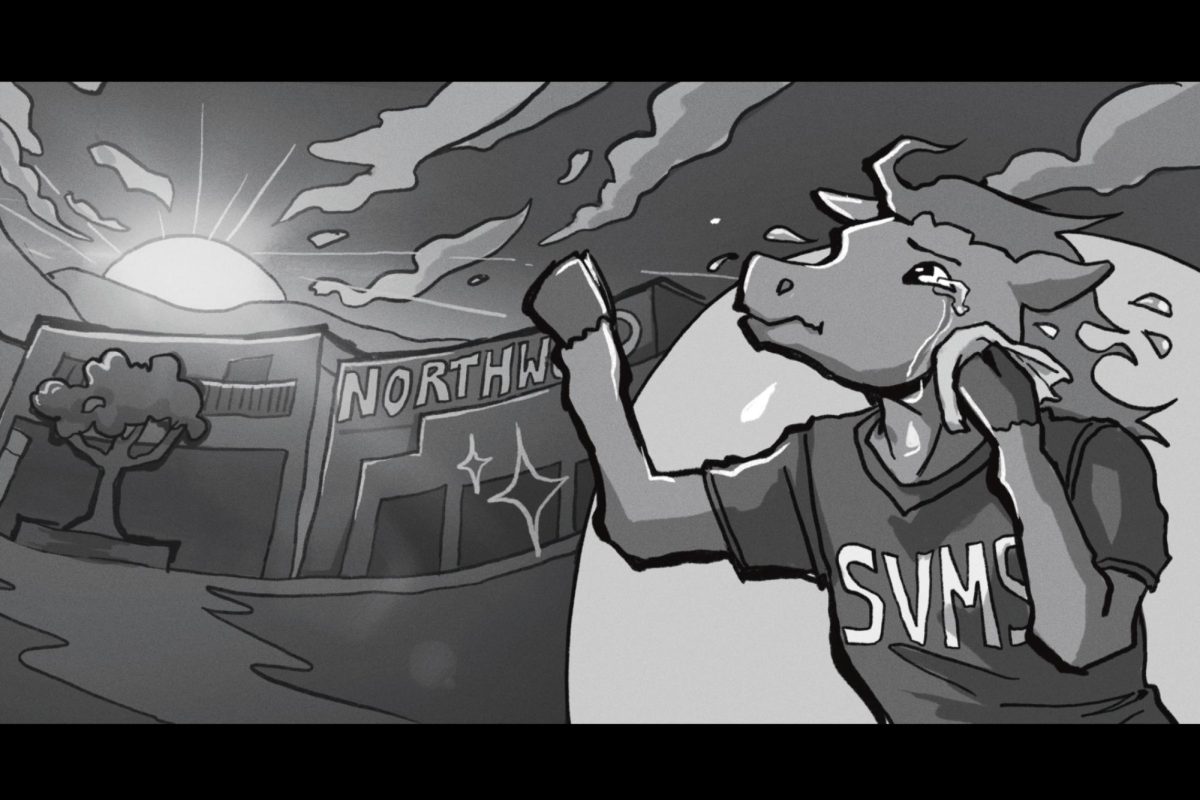
At Northwood particularly, hustle culture—from academic achievement to extracurricular commitment—is highly prioritized. Because we feel so swamped by our own academic goals, we feel like we don’t have the time to foster meaningful change. And while it’s understandable that the overwhelming stress of life may overshadow worries about global issues, it’s still important to pause. To think. When we, even as students, are constantly rushing, it becomes easy to notice a social issue for a moment and brush it aside or forget it, even though it often signals something much larger beneath the surface.
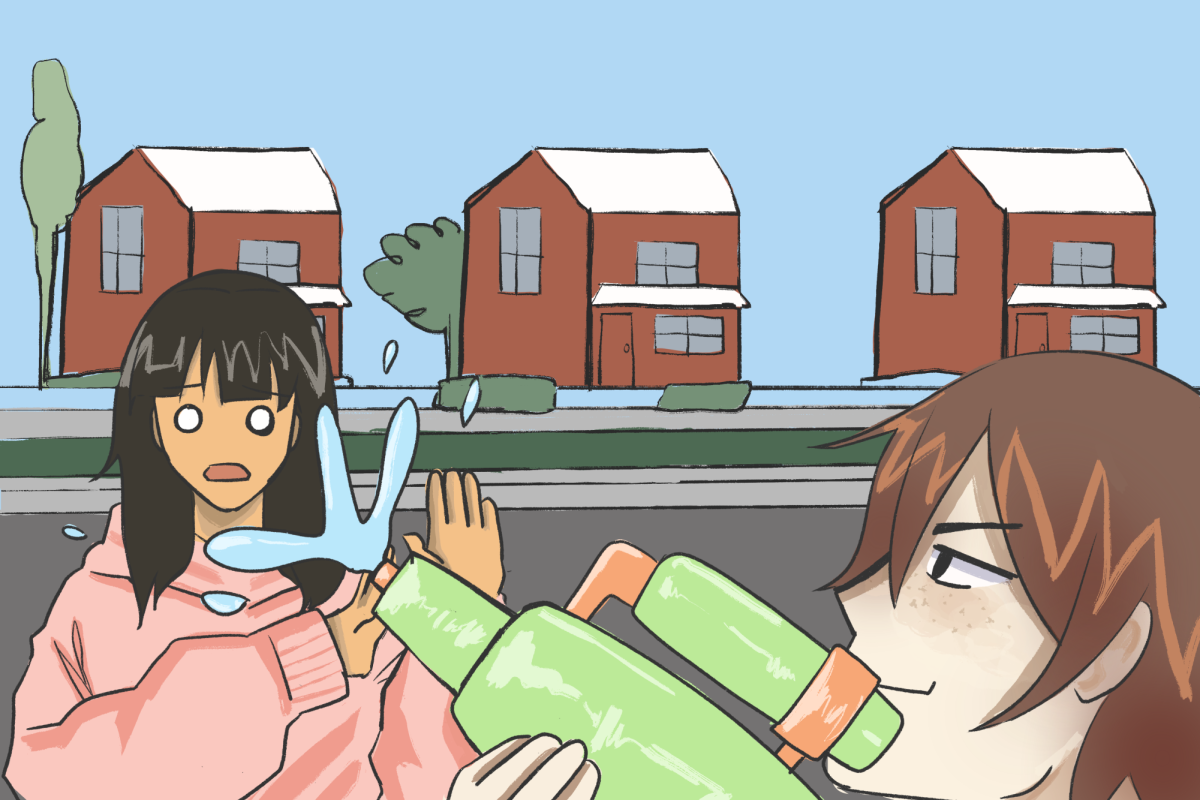
For example, consider microagressions—small, sometimes unconscious actions or statements motivated by negative biases. They are often noticed, yet dismissed as something “too small to make a big deal out of.” However, when it accumulates to recurring patterns, this unintentionally creates an unsafe learning environment for students, hindering both SDG 4’s strive for inclusive and quality education as well as SDG 16’s promotion of accountability within institutions of all levels.
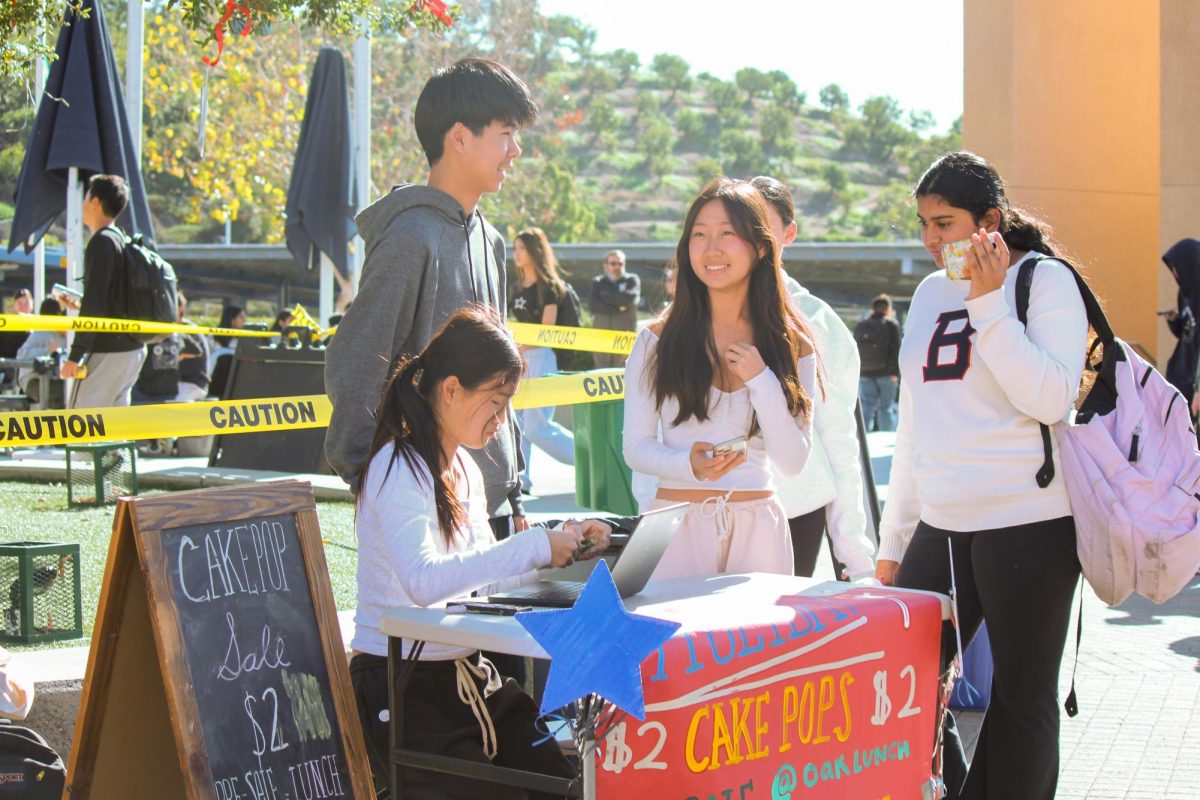
That’s not to say there isn’t change happening in Northwood. There are countless student-led initiatives that bring attention to topics that are often overlooked. From joining to volunteering for on-campus clubs or organizations, starting small will boost confidence in further advocating for causes.
“Slow motion is better than no motion. Little things add up over time,” Key Club president senior Rishith Allam said. “We strive to make an impact, but the greater goal is to get a better understanding and spread awareness of the charities we support, like the Pediatric Trauma Program. Join the random club, go to that event, make some new friends, just take action.”
Global issues such as world hunger, for example, may not be instantaneously solved. But, individuals can, and will, make a difference. Rounding up an extra dollar can help when buying takeout, because when everyone pitches in to contribute, it can mean someone’s next meal.
When we carry the assumption that our actions don’t matter, we close off any possibility for progress long before change even has a chance to begin. We hope students and staff will take these words to heart and apply it toward efforts within our campus, doing our own small part to make sure our world is on track for a sustainable future.