



















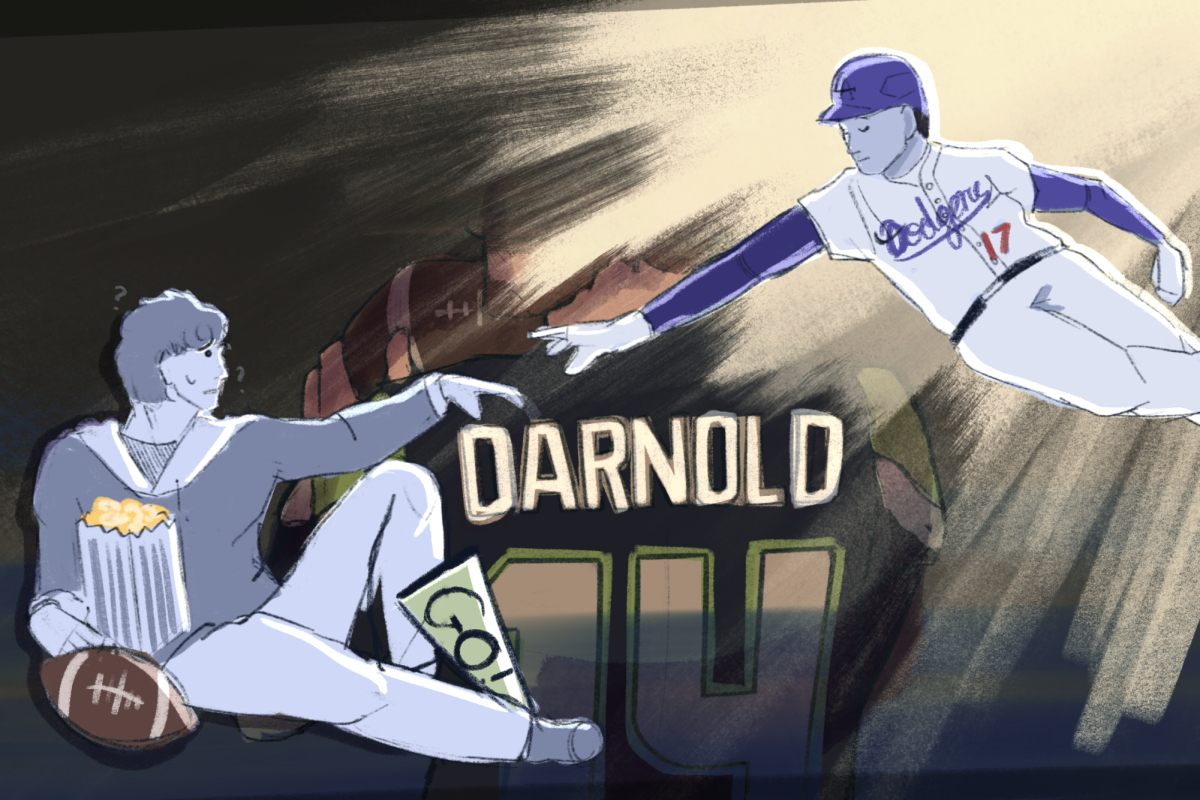



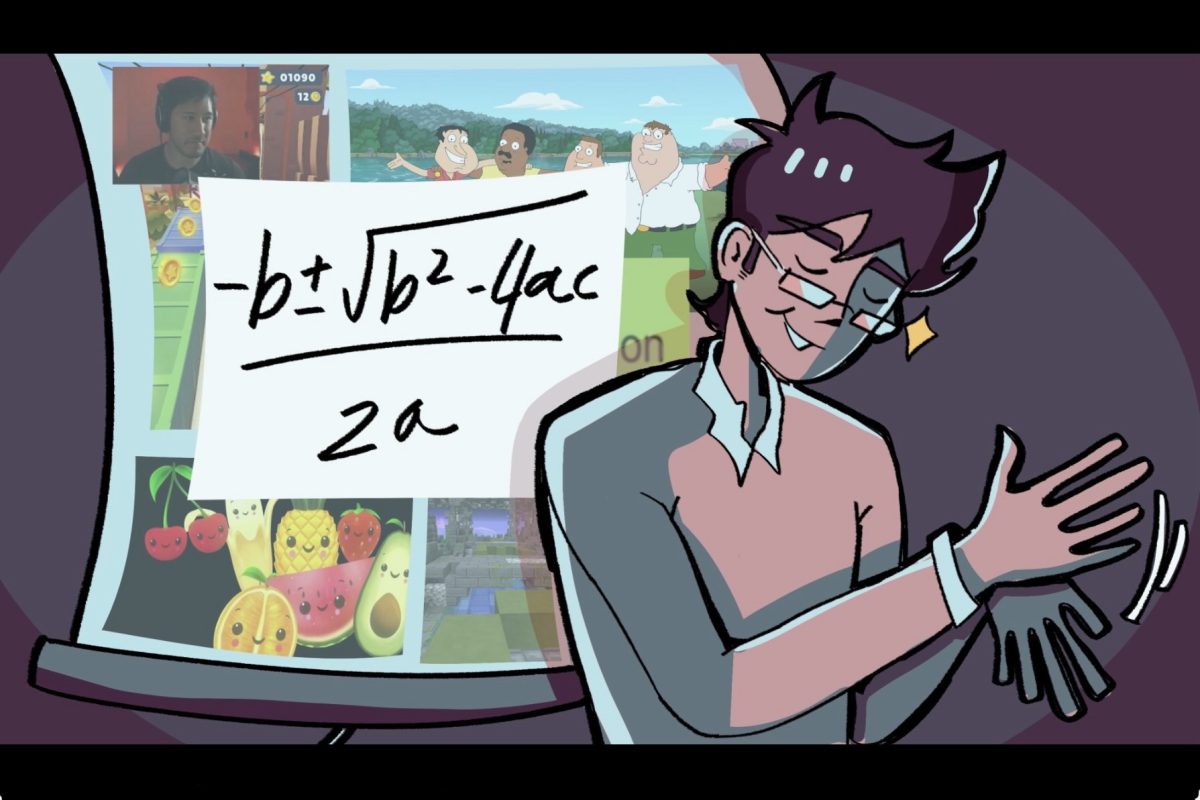


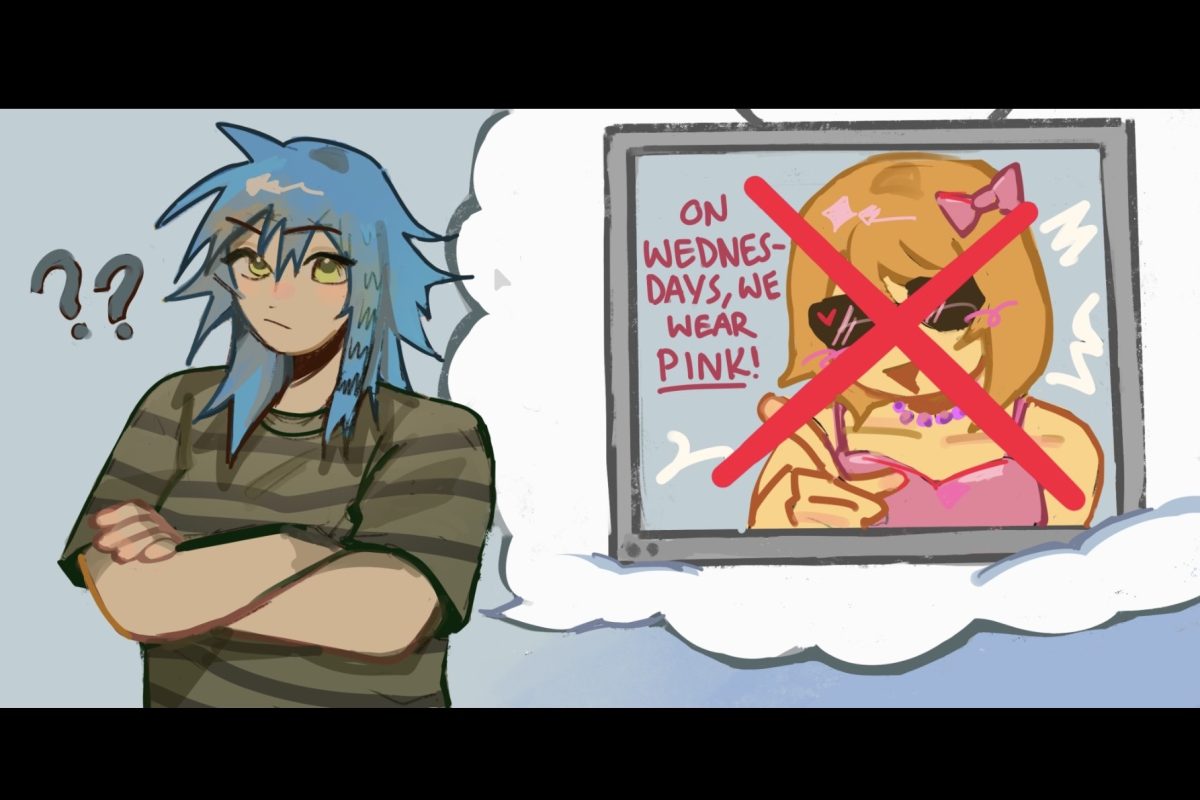
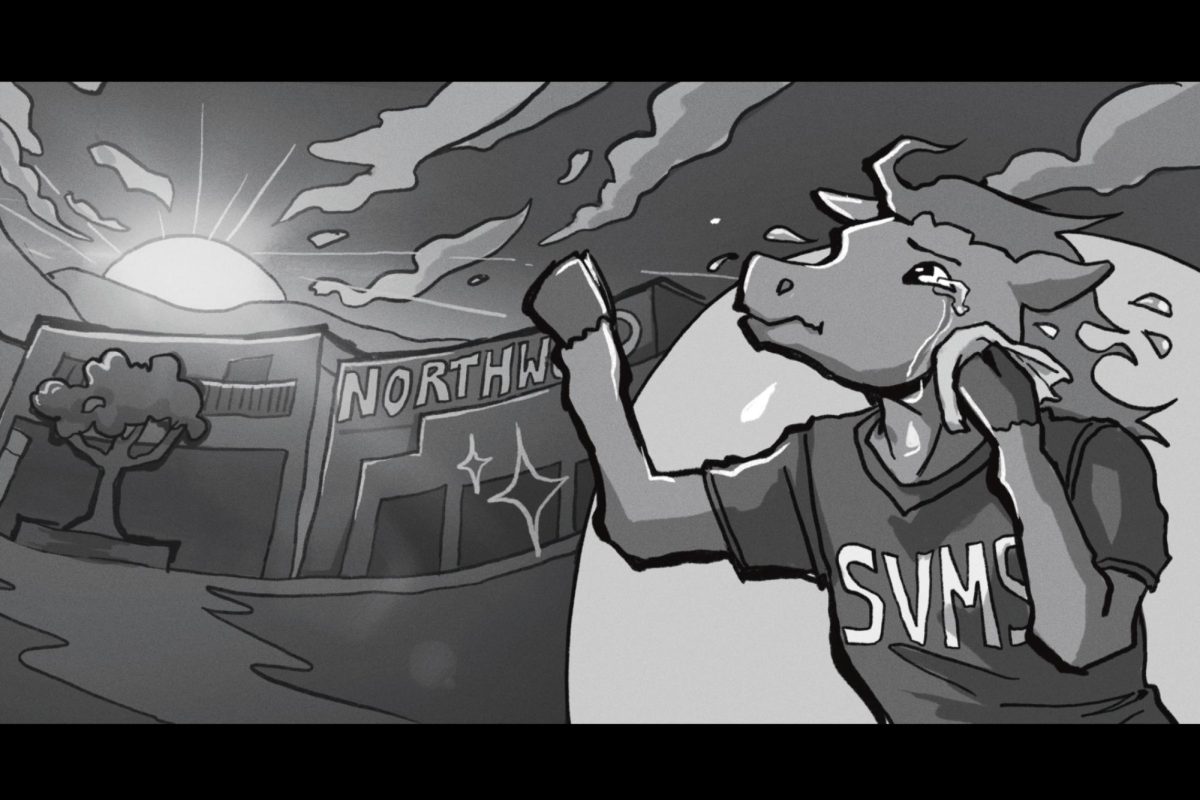









When exam week arrives, the temptation to escape to a completely different world appears even more enticing. But what if the only option is transmigrating into a book you’ve read for school? What’s the likelihood of surviving? To answer all the questions you’re dying to ask, we’ve ranked the top five books you’ll read at Northwood, but be warned—there may be spoilers.
Quick terminology drop:
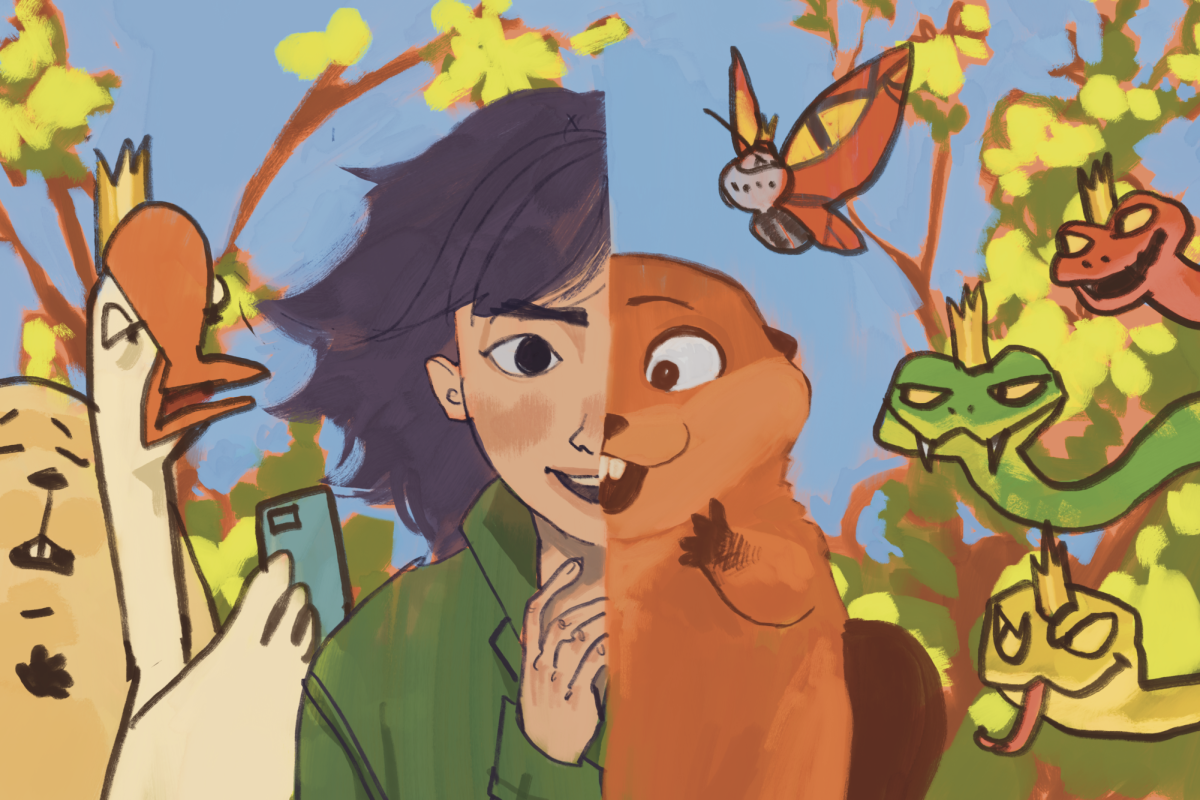
Transmigration: the action of passing into a new body in a fictional world, often referenced in Asian media by its umbrella term “isekai.”
1. “Pride and Prejudice” by Jane Austen
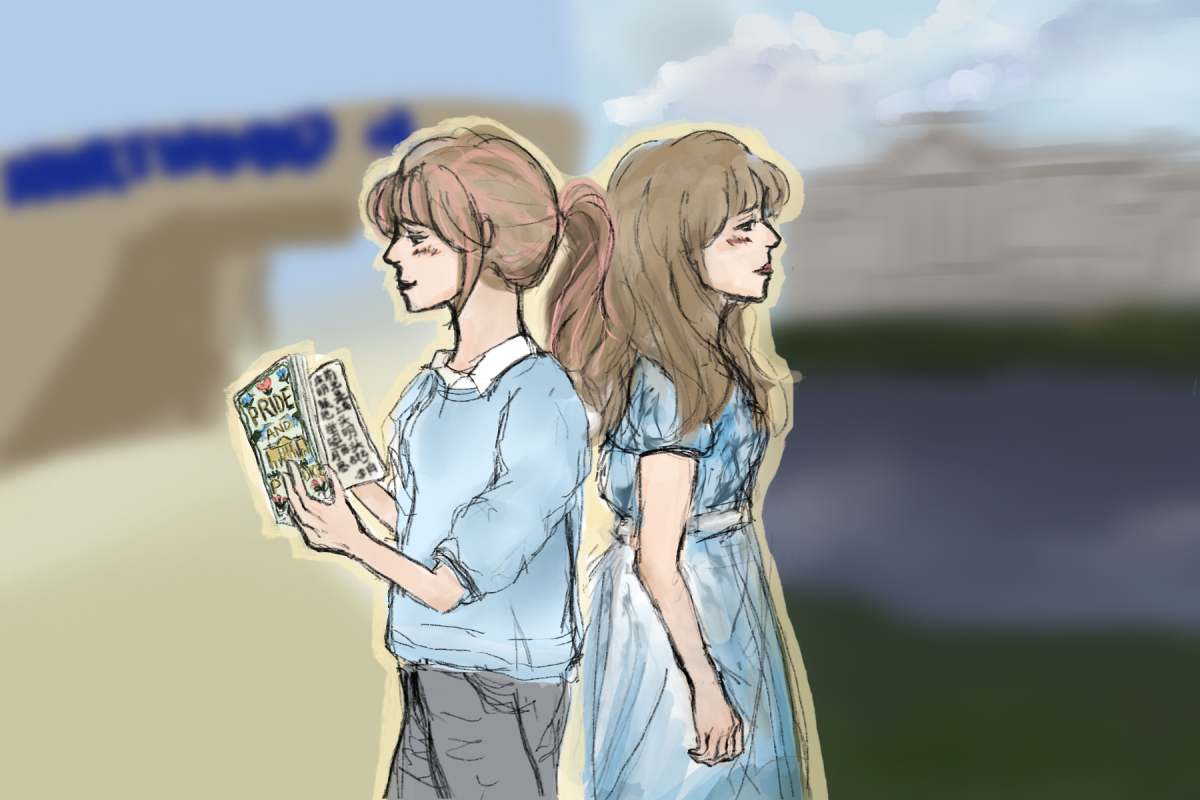
Balls, luxurious dresses and proclamations of undying love—what’s not to love about falling into “Pride and Prejudice,” besides the lamentable gender roles and ridiculous caricatures? If you’re lucky and transmigrate into a wealthy noble, congratulations! You’re set for life, but do be cautious of getting married off to a random man you’ve only met once or twice.
For all the hopeless romantics, being transmigrated into this novel is … not for you. Don’t be too quick to dream of an enemies-to-lovers trope. But, if you play your cards right, and don’t have Mrs. Bennet as your mother or Lydia as your sister, then attend all the dances you want. But, beware of any charming, handsome or oddly easygoing militia officers in your area.
2. “The Great Gatsby” by F. Scott Fitzgerald
Oh to live in the Roaring ‘20s and attend the party of a man who just so happens to bear a very striking resemblance to Leonardo DiCaprio. It sounds almost perfect. The journey would surely be enjoyable, with all the parties and tantalizing love triangles.
While the idea of a second-chance romance is certainly appealing, we must also take into account other unfortunate circumstances. When your fate consists of either death, being married to a man who’s cheating on you or working your life away during the Industrial Revolution, your only hope is to pray that the American Dream really is true. And those of us not living in East or West Egg may find ourselves out of luck.
3. “Hamlet” by William Shakespeare
Let’s be honest: For once, being poor might not be a bad thing. If you transmigrated into a peasant from Shakespeare’s “Hamlet,” you’d be far away from the murderous machinations of Hamlet and Claudius, and you wouldn’t end up dead like every other noble in the play. Sure, you’d have to dig a grave or two to bury them in, but as Hamlet said, even kings “returneth to dust.”
And just in case you do end up a noble, take a page out of Laertes’ book and travel to France, but permanently this time. While everyone else is consumed with the chaos of ghosts and bloody thoughts, you can enjoy the rest of your life in Paris, feasting on the best wine and bread the world has to offer.
On the off chance you do transmigrate into a woman, though, do be warned that your only survival options are confining yourself to a nunnery or using madness as an excuse to insult people.
4. “The Handmaid’s Tale” by Margaret Atwood
The only pros of this world are Scrabble and reading Vogue, but in this dystopian authoritarian society, your chances of such enjoyment are slim, especially if you end up being a Handmaid. Autonomy is never in fashion here, and even plot armor is unlikely to get you to a happy ending.
Your only hope of survival would be waiting for the Republic of the Gilead to fall.
5. “The Crucible” by Arthur Miller
Probably the worst piece of literature to transmigrate into. Regardless of who you end up as, your fate in “The Crucible” is simply death and destruction. There would be no way to escape Abigail Williams’ top-tier manipulation and accusations, even if every flaw was pointed out. Of course, this is assuming that you’ve kept up with the assigned readings—you’d have a significant increase in your survival rate if you did, but don’t be too optimistic.
Let’s hope you didn’t get transmigrated into one of the alleged witches, though Abigail would still find some way to instigate a hunt against you too. Who knows, maybe you sneezed while she was declaring her grand plans to marry John Proctor. Perhaps she’d argue that allergies were a sign of a connection with a greater evil. To everyone allergic to dust and grass, my early and sincerest condolences.