





































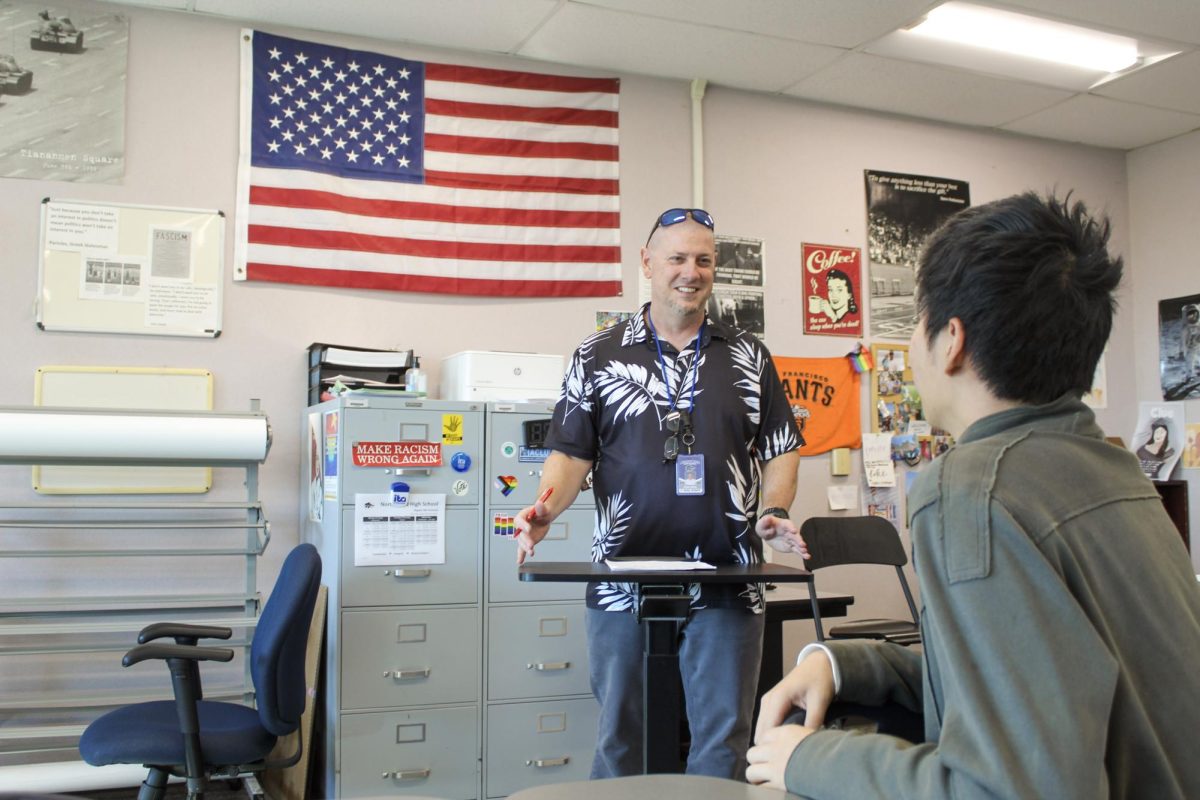




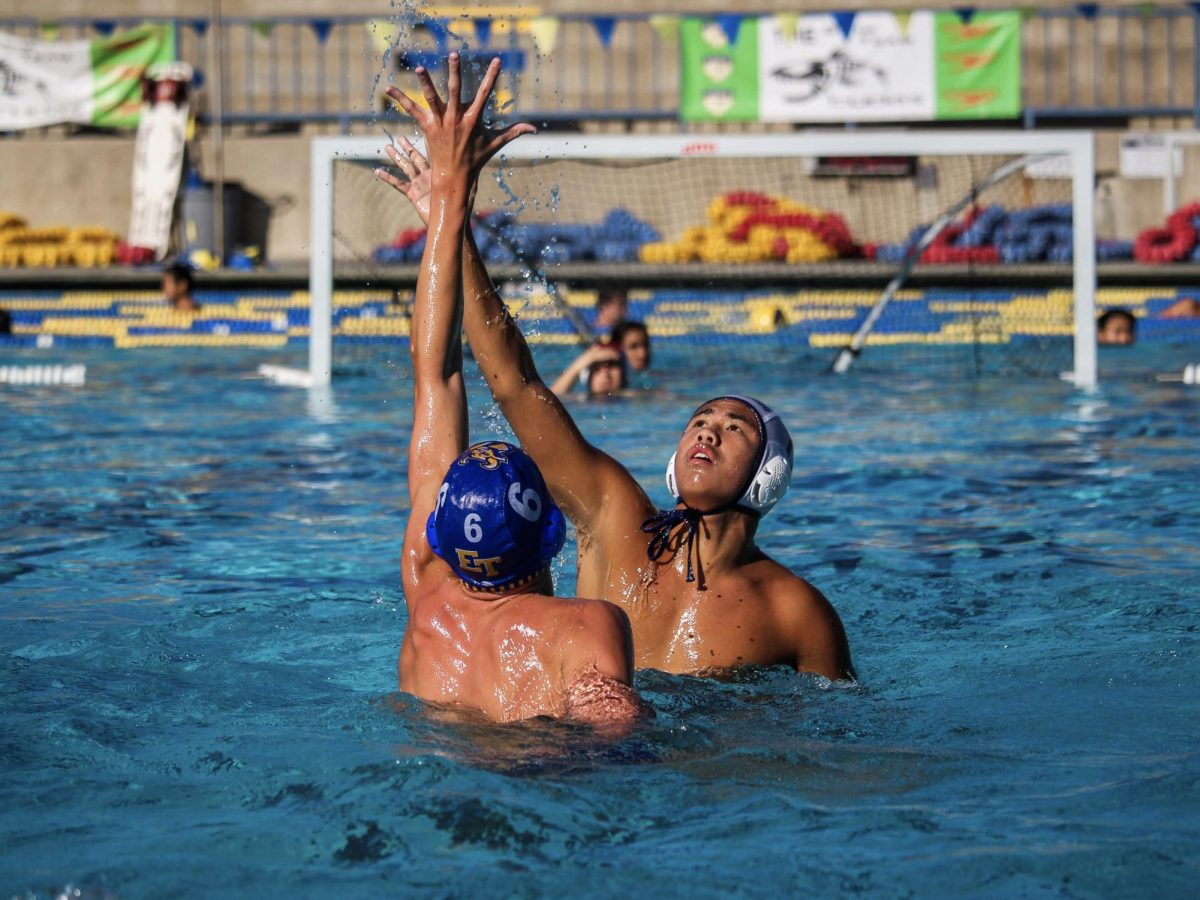


For many athletes, the excitement of a new season not only comes from getting back into the game, but reuniting with their coaches. So when athletes are suddenly notified that their coach has left, the immediate fear of change hits.
Northwood athletes aren’t strangers to coaching changes, especially in the new spring season, where five sports this year have experienced a change in head coach: track and field; boys golf, volleyball and lacrosse; and girls lacrosse. At first, many athletes struggled with adjusting to the new coach and their methods of coaching, a sentiment shared by varsity volleyball player junior Mehmet Eruyan.
“The two styles [of coaching] aren’t the same,” Eruyan said. “One was more coaching us head- on and the others were him directing us and being there while we make up our own practice.”
While underclassmen haven’t been on the team for long, many, like girls lacrosse player sophomore Bella Shim, have noticed a positive impact of the coaching change.
“Coach Dillon jokes around with us,” Shim said. “He makes an effort to connect with us, and that also spreads to older players and younger players, because if the coach is connecting with us, then the players also connect together.”
Coaches play a large role in constructing a positive team atmosphere and supporting their players’ goals, whether it be an individual or team sport. From a coach’s perspective, prioritizing team spirit is the most important part of developing a well-rounded team, regardless if they’re new or returning.
“Having that camaraderie and compassion for one another is huge,” boys volleyball head coach Adam Bernstein said. “If something good happens and everyone’s in it—yelling and excited—you feed off of that. You feel good and like you can handle any type of adversity.”
Coaching changes can be especially tough for players who had a close relationship with the past coach, explains varsity golfer senior Anson Chen.
“I had always perceived golf as an individual sport. But when I talked to [Coach] Halop, he told me to control my mentality, my mindset,” Chen said. “[His advice] really got me through a lot of difficult times. I’ve had my slumps over the years and Halop was always there for me.”
On the other hand, a coaching change can bring new perspectives to the sport. A few of the current coaches, including girls lacrosse coach Dillon Lewis, are new to the sport themselves. While this may lead to some issues, athletes note that coaches are doing their best to overcome that obstacle for the team.
“Coach Dillon has shown a lot of dedication to the program already,” varsity lacrosse player junior Lindsay Nagata said. “He’s putting in a lot of effort to learn about the sport and recently we’ve started doing morning practices, and it shows that he’s willing to put in the time to try to get us better.”
While the shifts in organization and communication can be challenging at times, coaches aim to support their athletes throughout this new chapter. Athletes can manage their response by trying to embrace the new schedules, sharing ideas with the new coach and focusing on being open-minded. The transition may be difficult, but it is critical for athletes to stay true to themselves.
“Having a different coach can be very different,” Chen said. “But always trust your instincts, trust your intuition and trust what you’ve been taught before.”