




















Last December, Woodbridge High School’s Turning Point USA club, a chapter of the national conservative youth organization, planned a debate regarding “Transgenderism and Same-Sex Marriage.” The event was canceled after backlash from students and other groups.
With increasing political conflict and polarization in the United States, it is crucial for students to promote respectful, political discussion at school. Although political discourse should never be restricted solely for being controversial, students engaging in these discussions must be conscious of their impact on peers and critique ideas rather than people.
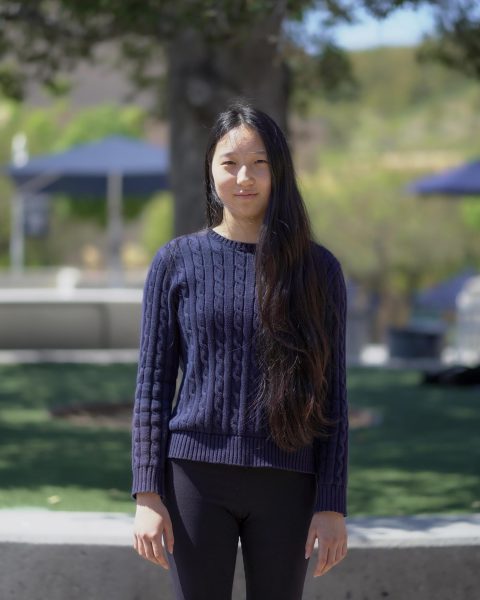
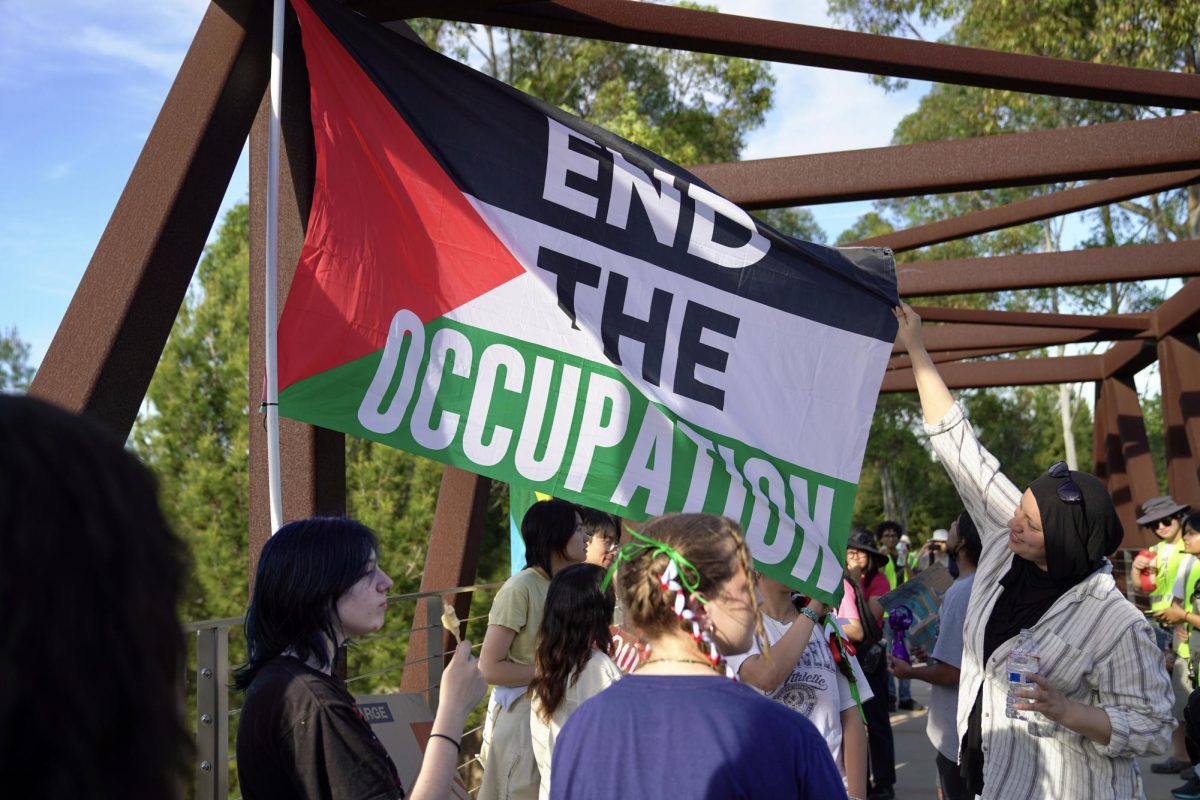
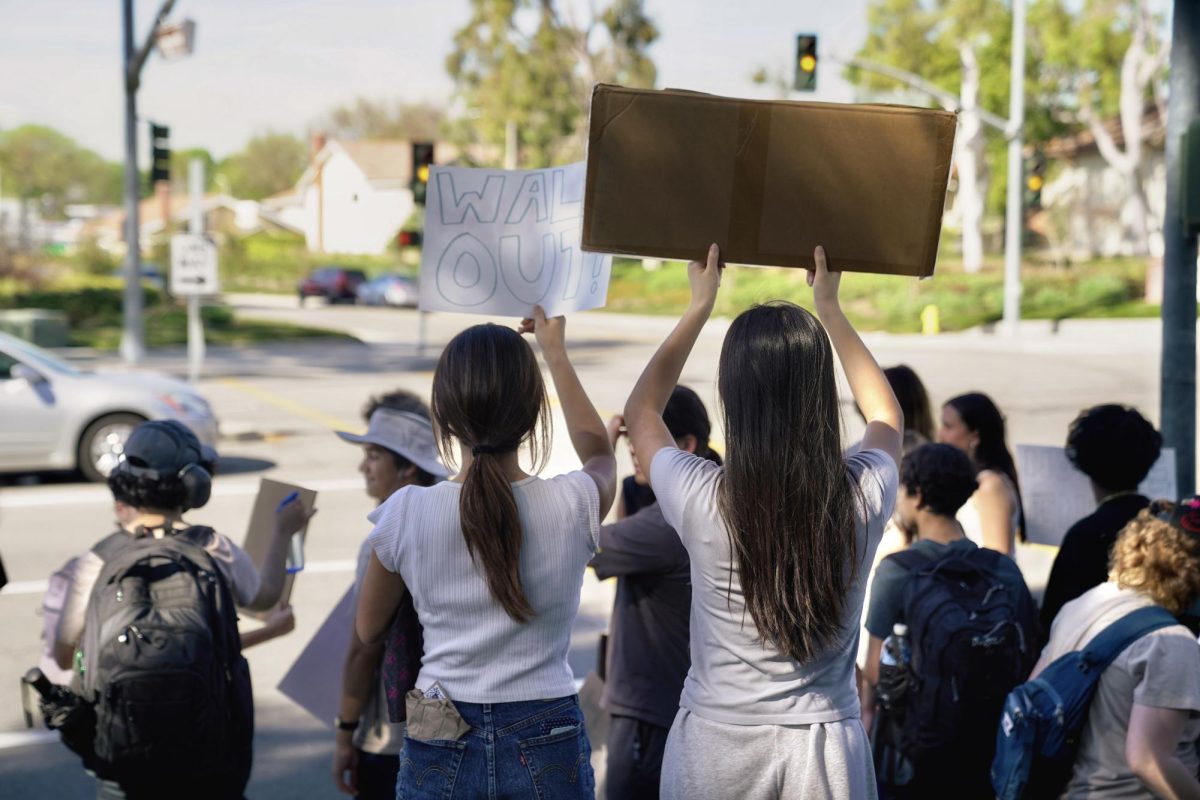
The LGBTQ+ community and others at Woodbridge spoke out against the club debate; many were shocked, saying it was unethical to suggest queer people’s identities were up for scrutiny. Woodbridge students, parents and outside organizations such as the Greater Democrats of Irvine and the LGBTQ+ Center of Orange County organized a petition to cancel the debate. Led by Woodbridge junior Lulu Galipeau, it garnered over 900 signatures.
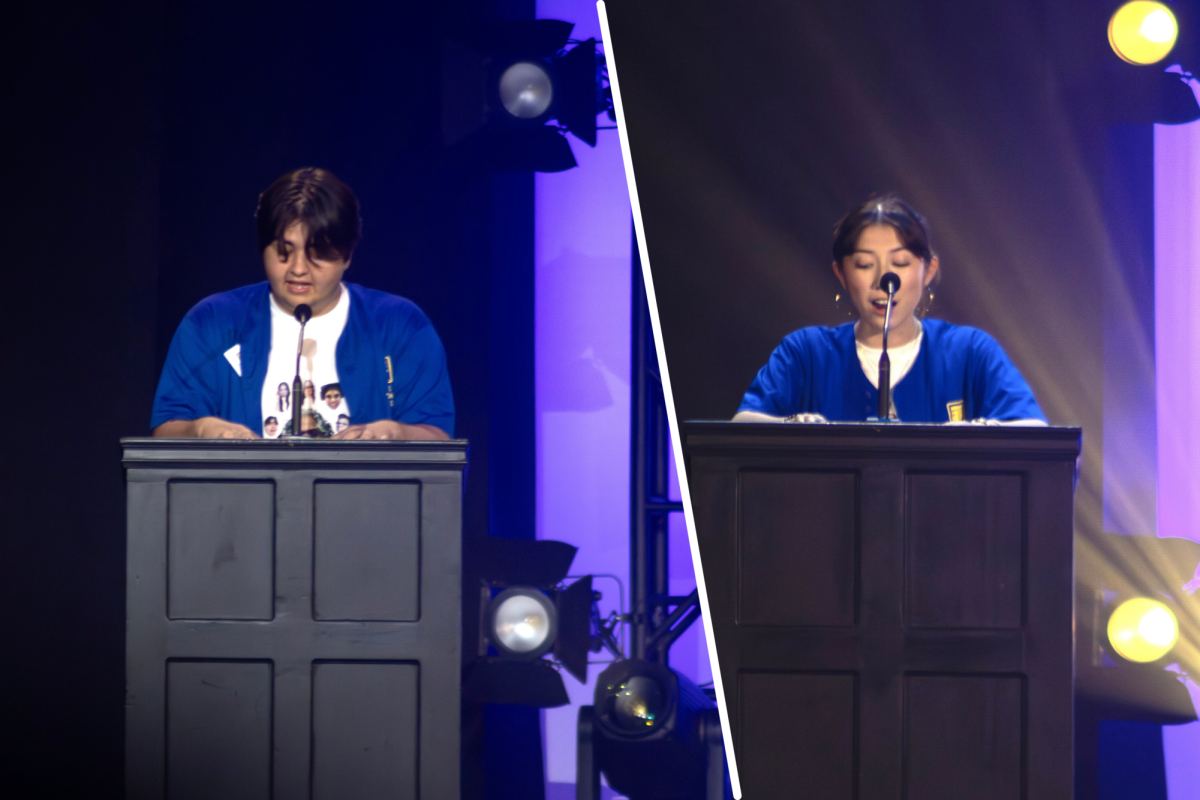
According to Woodbridge TPUSA president junior Kiamehr Aval, he had planned to moderate the debate himself, with no finalized decision on the moderation format. Previously, he’d considered the style of the YouTube channel Jubilee, mentioning the channel’s previous prompts of “transgenderism should be eradicated from public life entirely” and “there is no such thing as same sex marriage” as an example.
The club “didn’t plan too well” for moderation, Aval said in an interview. To have an organized and civil debate, an unbiased outsider moderator is needed to prevent personal attacks, the dismissal of opinions or the use of gotcha-style questions.
Derogatory language like “transgenderism,” often used to delegitimize transgender people, only heightened the risk that the debate would invite personal attacks, especially against LGBTQ+ rights. It challenges the community’s existence, which is undeniably something they should not be experiencing.
Aval disagreed with the debate’s cancellation, saying that cancelling it restricted freedom of expression.
“I think we should have the same First Amendment rights that we do outside of school inside of the public school,” Aval said. “All political discourse should be allowed.”
As established by the landmark 1969 Supreme Court decision Tinker v. Des Moines, students’ freedom of expression can’t be limited solely because it is controversial. However, while the court stated that “undifferentiated fear or apprehension of disturbance is not enough to overcome the right to freedom of expression,” it is also made clear that “substantial disruption” of the learning environment permits school intervention.
Many within the student body believed the proposed debate constituted a disruption to the school’s learning environment because it questioned the validity of LGBTQ+ rights.
“It was hard to feel like a human being,” Galipeau said. “I’ve already felt in some certain situations at my school unsafe being a queer student. And this certainly did not ease my worries.”
The majority opinion from Tinker v. Des Moines also rules out speech that violates others’ First Amendment rights, saying people have the right “to be secure and to be let alone.”
Therefore, students should be careful to distinguish between what constitutes respectful discourse about issues faced by marginalized communities and what discourse is making these communities feel unwelcome. Discourse should amplify voices without putting down others in order to achieve a safe space for all. Only through balancing freedom of expression with ensuring that all feel safe, can the next generation of students work towards productive conversation.