
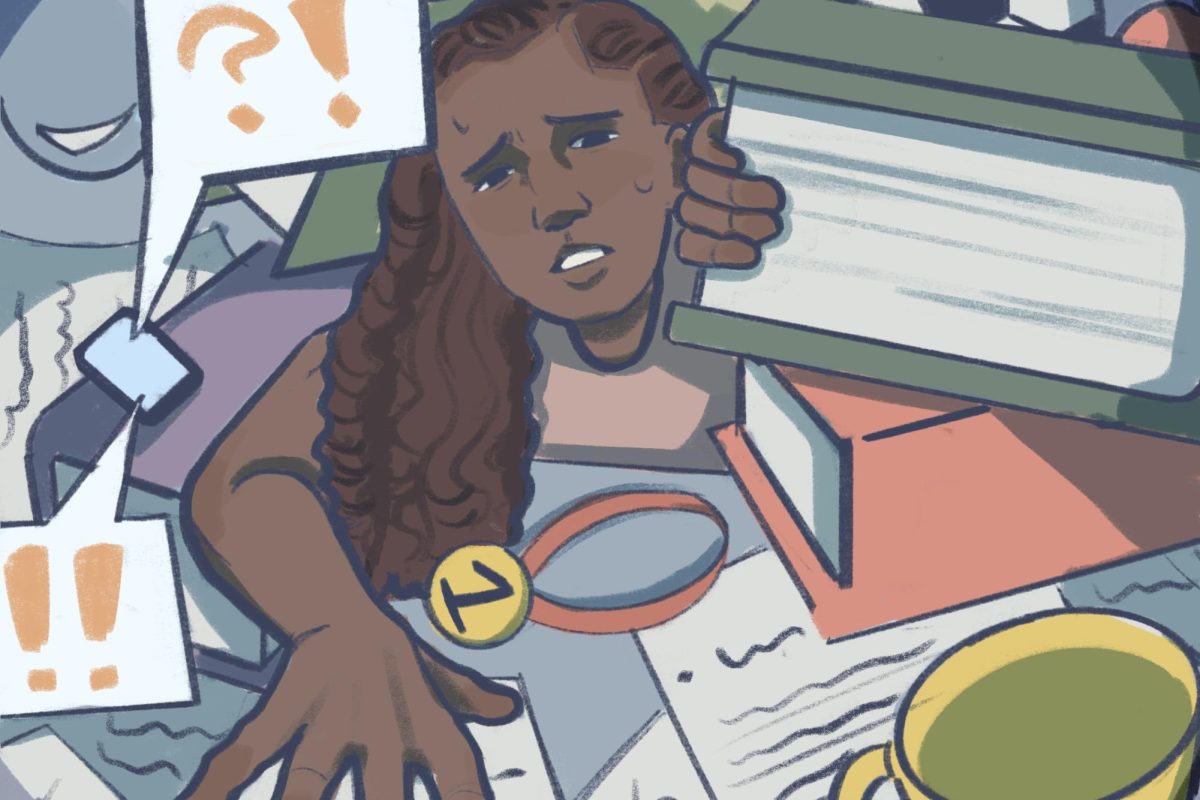



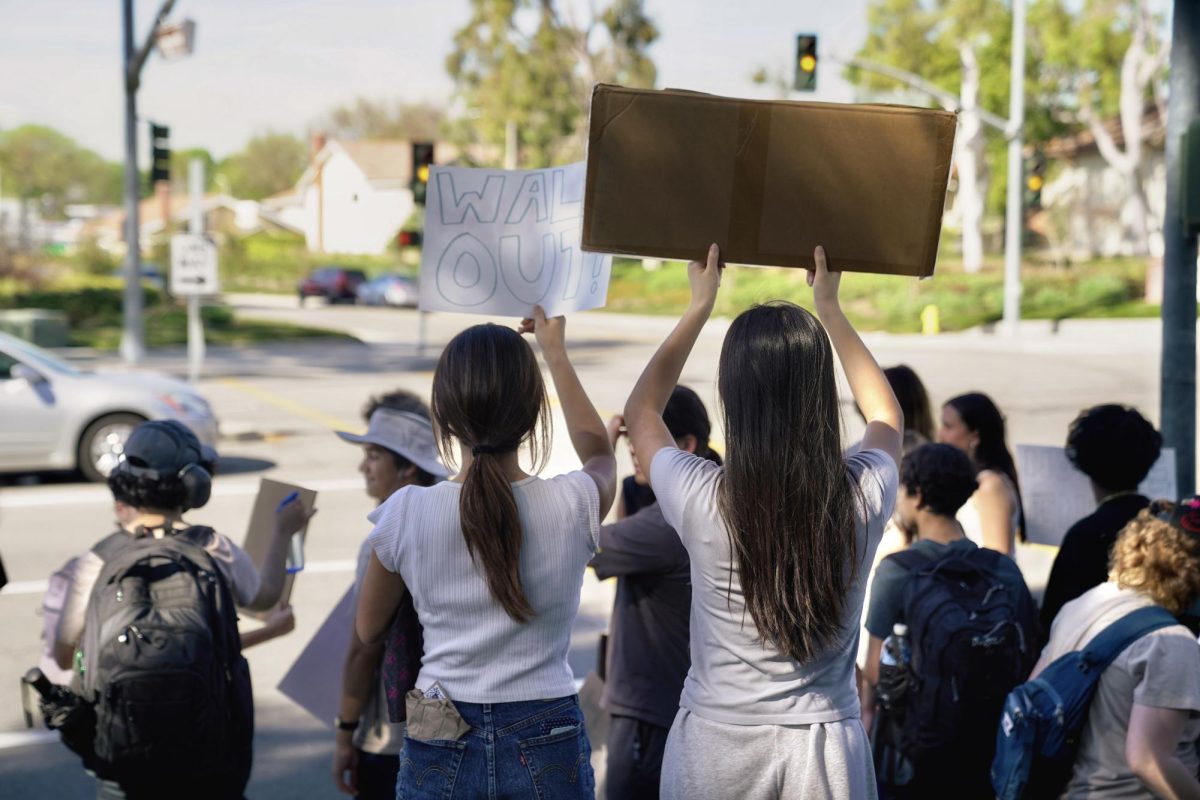
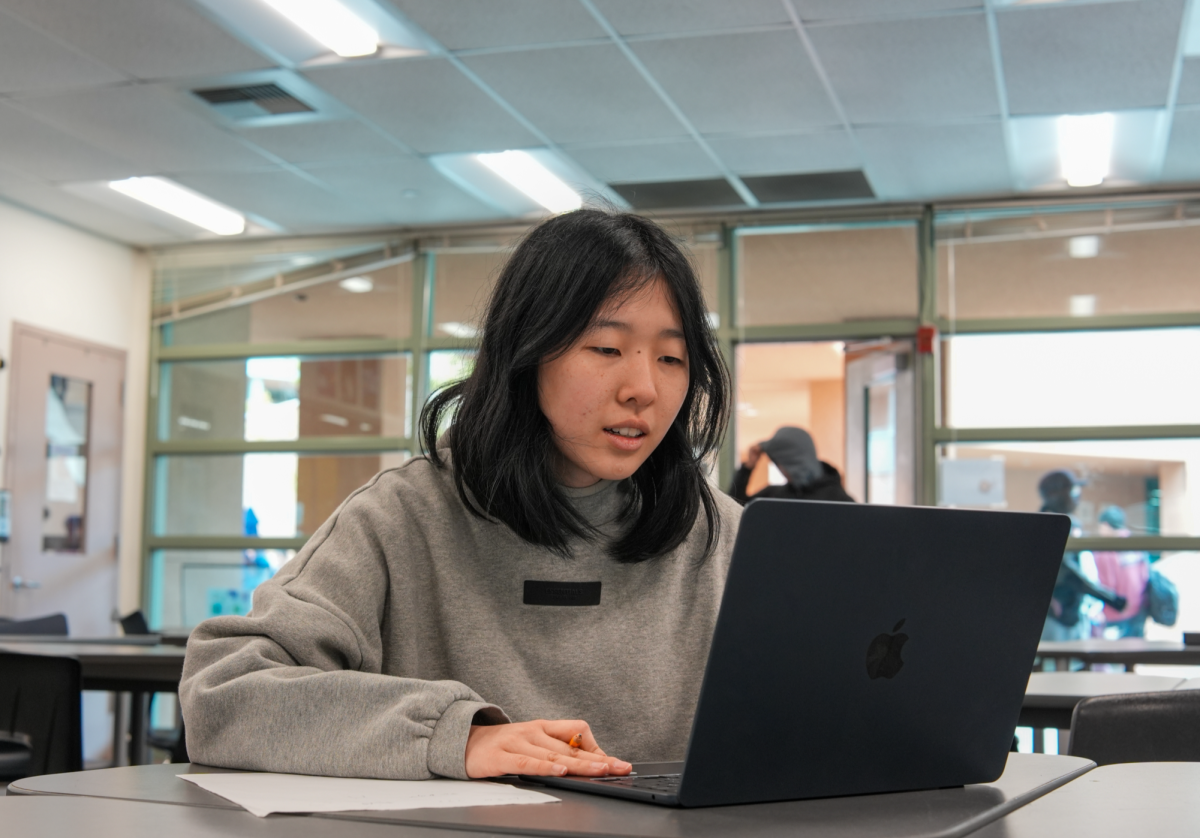














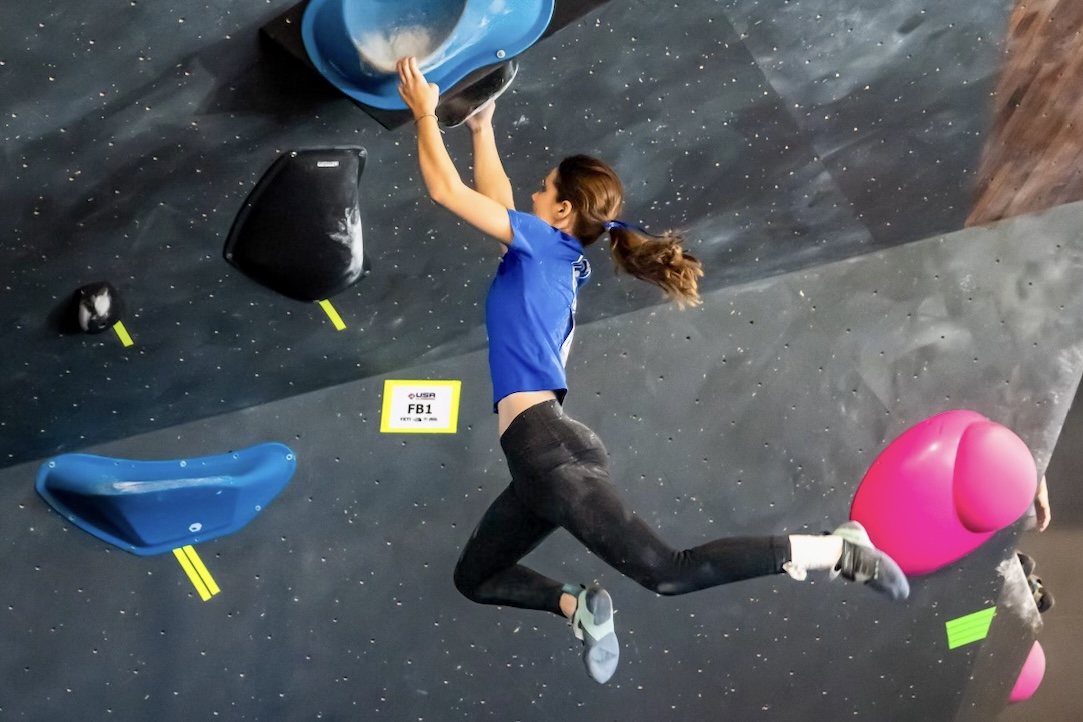













Students are notorious for dreading school, but why do some athletes feel the same about a sport that they choose to learn and play? Athletes often experience a lack of motivation that stems from school pressures and team culture—an issue that can ultimately harm overall athletic experiences.
A 2023 survey published in Health Psychology Research found that 91% of high school athletes experienced some level of stress; of those, 64% feared failure and 66.5% identified self-pressure as a cause. Understandably, many athletes endure intense expectations to perform well from teammates, coaches and especially themselves.
“I’ve noticed that a lot of players point out the flaws in their games and their shots, regardless of if they had amazing throws for track, amazing serves or angled shots for tennis,” said junior Elizabeth Li, a member of varsity girls track and field and JV girls tennis.
This high pressure causes burnout in athletes, and thus a decline in motivation to put effort into their sports. As a result, other players can become frustrated when their fellow teammates fail to match their perceived level of effort, creating distrust as they begin to doubt whether those teammates can deliver when it matters. In turn, this negative cycle drops overall team morale, and sometimes even worsens periods of burnout for individuals.
“Sometimes just consistently training without any real support or anything can lead to low motivation, because at that point you’re just like a robot,” varsity boys tennis player senior Jordan Chu said. “You’re just going through the motions, practicing like six hours a day without any actual support from your teammates or anything.”
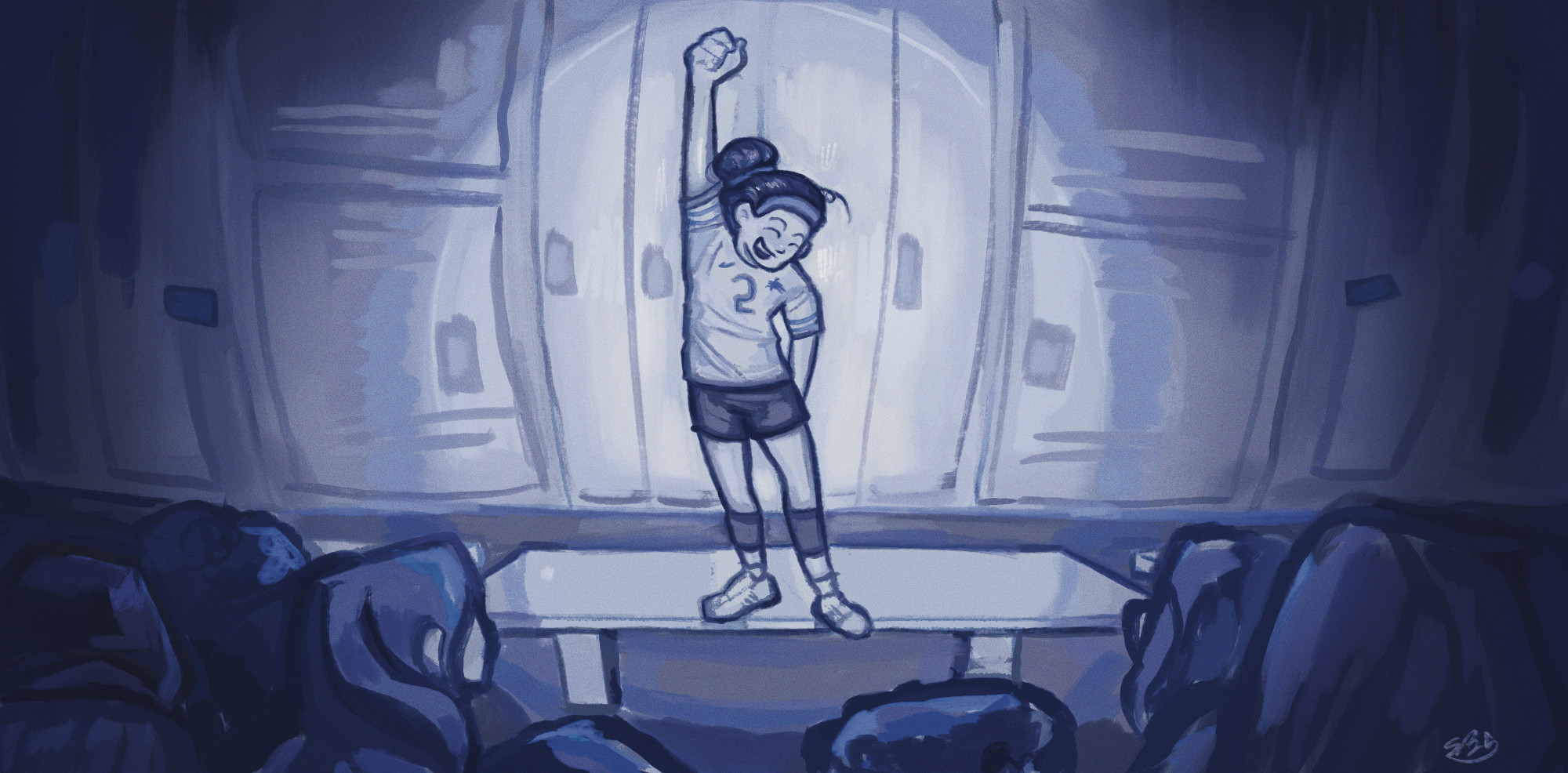
To help reverse this cycle, improving team morale through group bonding is crucial. For example, all Northwood sports should emulate motivational programs such as girls volleyball’s Big/Little Sister program, that help form friendships even across team levels.
“I think also that helps in that we have a program culture,” girls varsity volleyball coach Nicole Grau said. “Even when varsity isn’t playing the best, I’ve seen our frosh and JV girls cheering and bringing so much energy that we’ve started playing better purely because it’s like, ‘Oh hey, that’s my big sister and I’m going to help support her that way.’”
Still, even with their teammates’ support, students should recognize the root of this issue: the “hustle culture” of Northwood. From academics to extracurriculars to athletics, many students feel pressure to constantly work and grind, and without the correct balance this leads to burnout.
Relying on teammates, coaches and counselors through difficult times can give students time to reflect and change negative mindsets. If they play simply for the love of the game, athletes are less likely to feel burnt out from constant pressure, and, above all, student-athletes can replace stress with gratitude for the privilege of engaging in a team sport and community which many others wish to be a part of.
“Some people out there are dying to have a chance like yours just to do something that you would consider an everyday activity or even a burden sometimes,” Li said. “That just reminds me how appreciative I should be of these opportunities that I get.”