
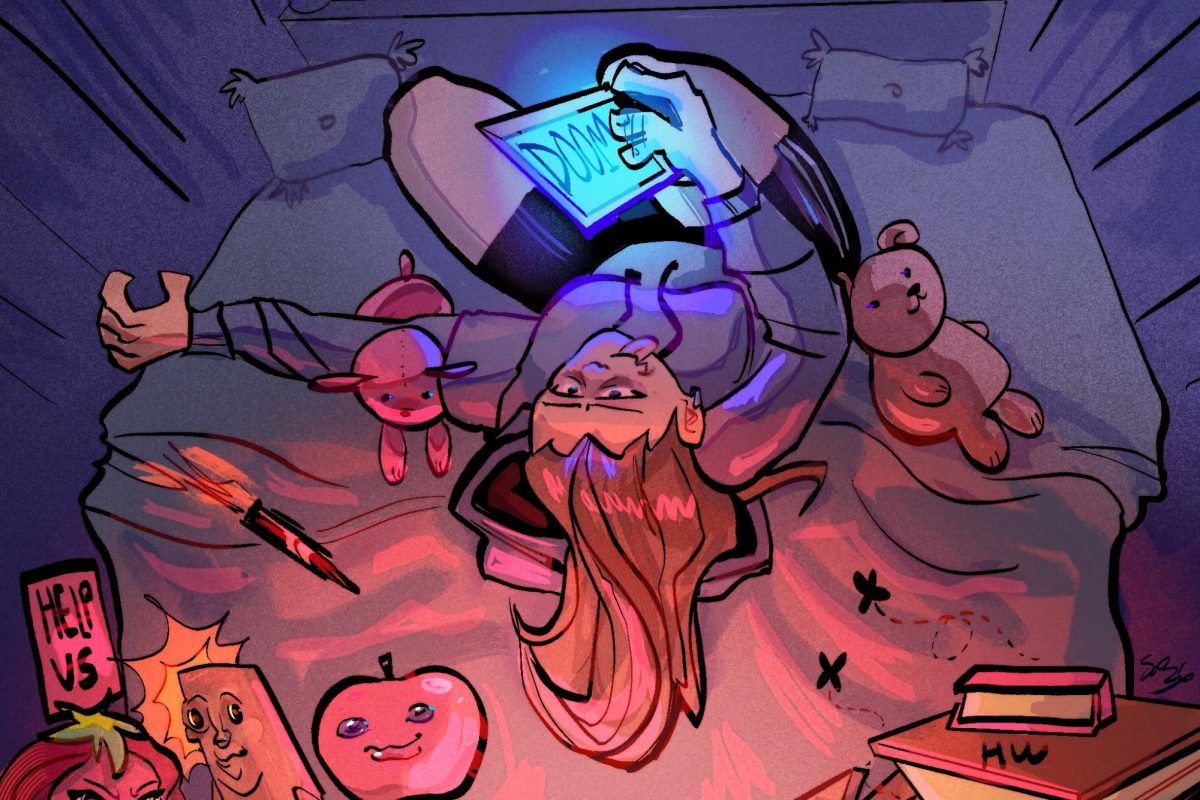
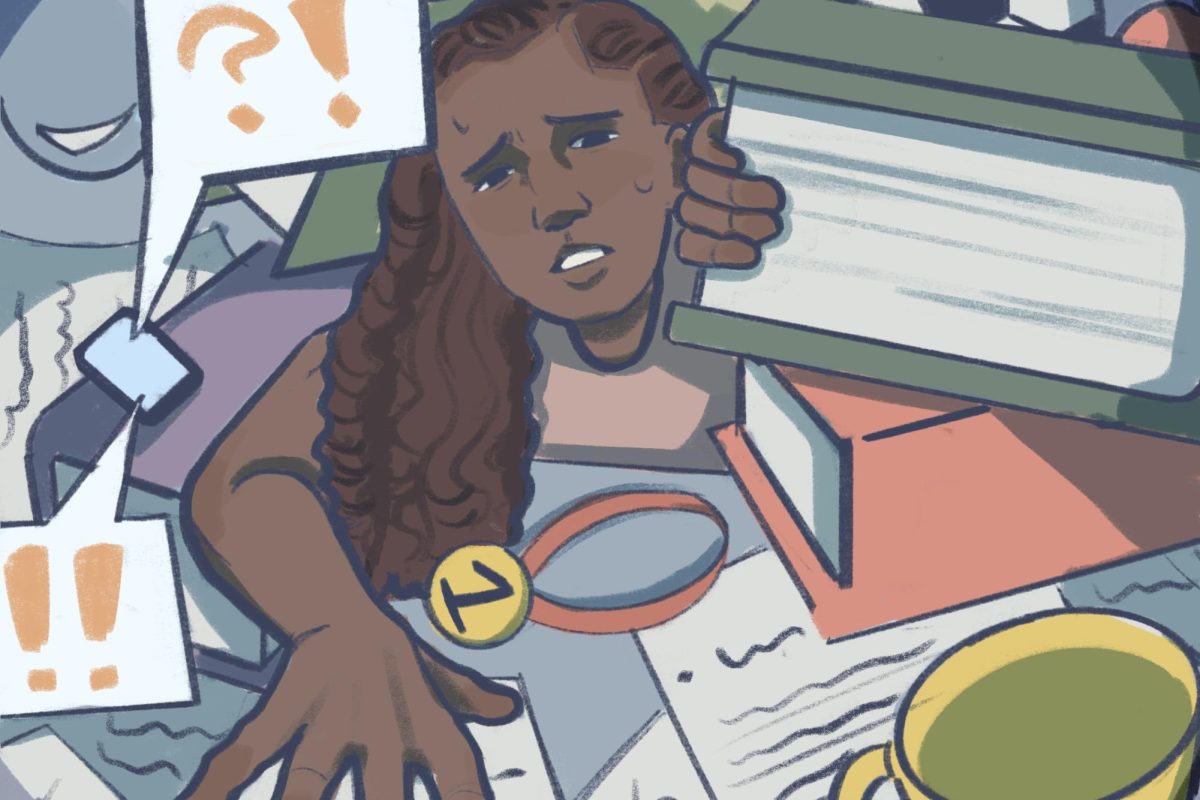





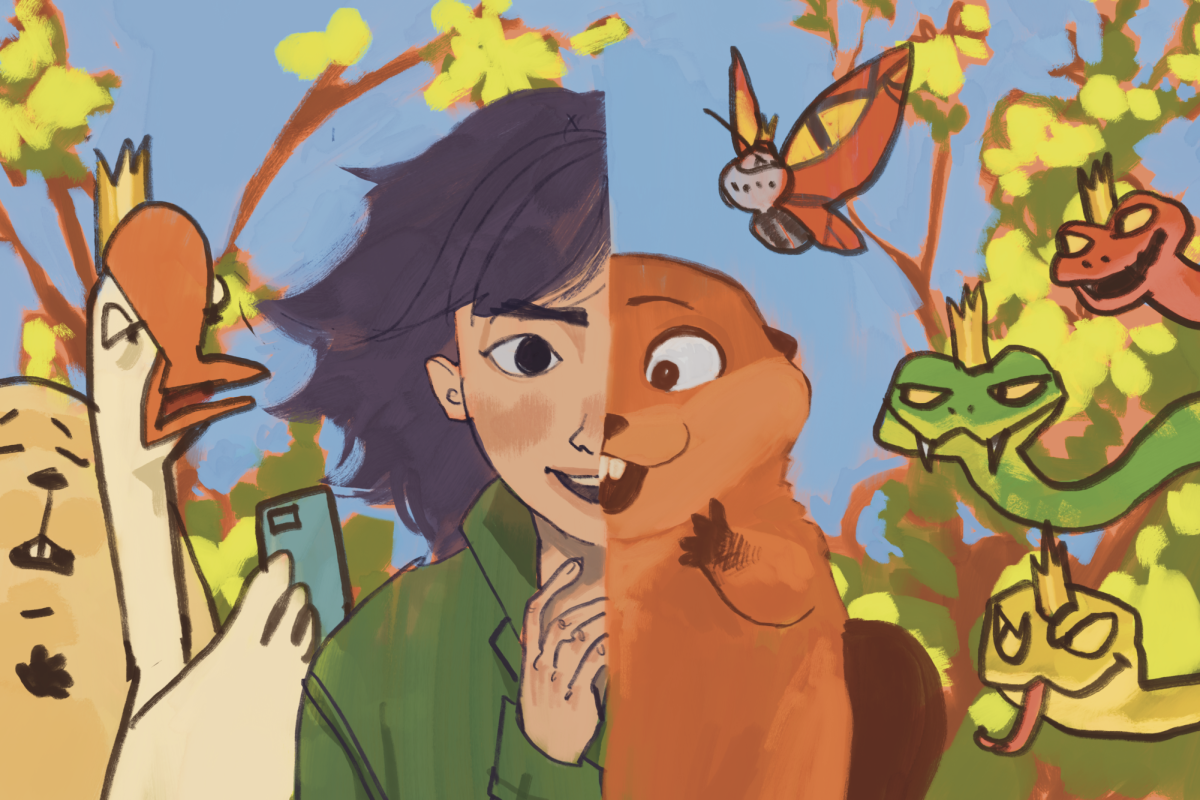






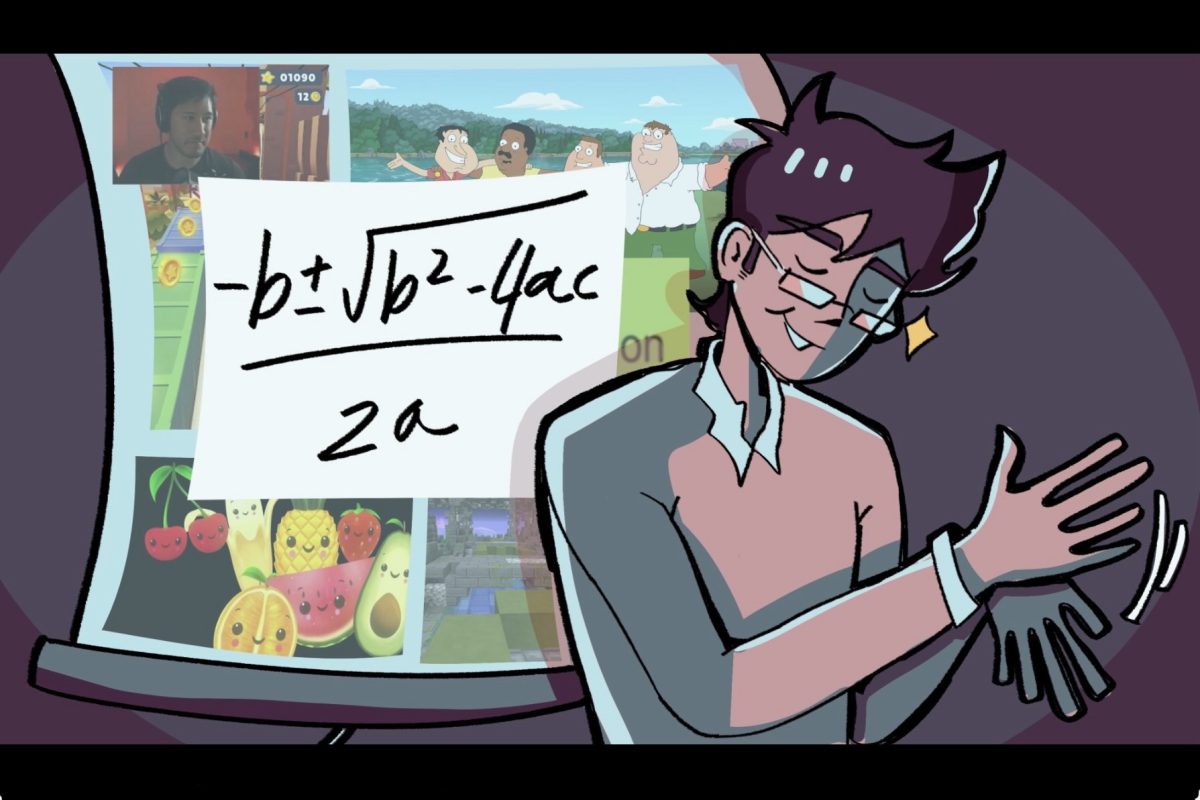


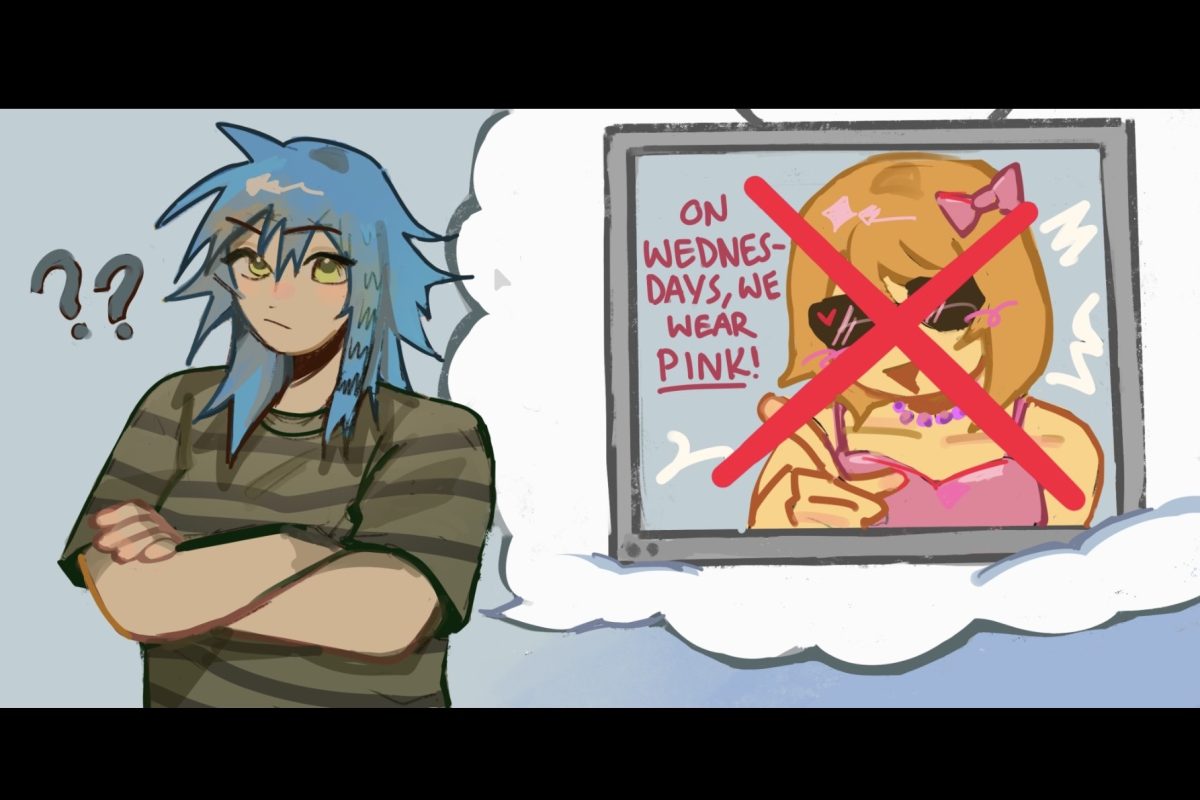
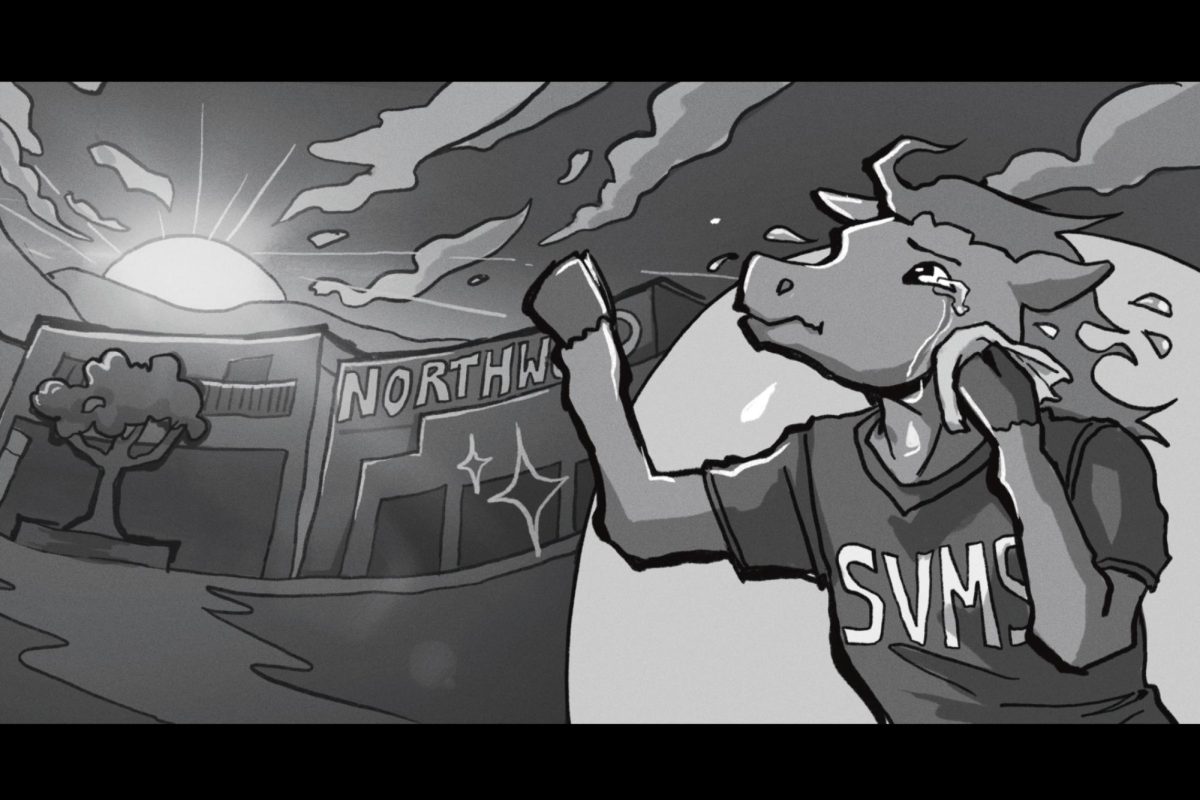







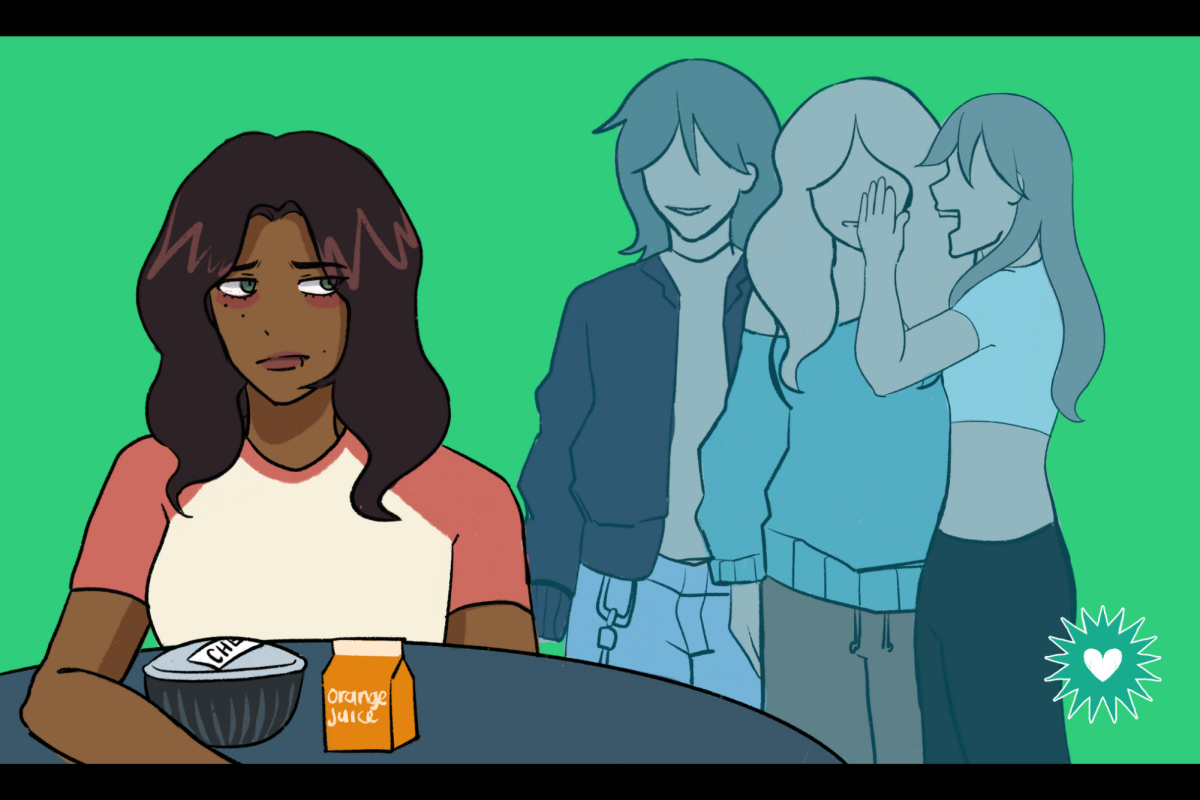

Society follows a strict set of laws: Stray from the pack and the whispers double back. In today’s world, one wrong move can cost someone their social standing. Cancel culture, usually aimed at social media content creators, has become too extreme, seeping into our everyday life and skewing our perception of genuine accountability.
Posts now go viral in minutes, turning people into public targets, costing them jobs and safety through doxxing and mass shaming.
According to Science Direct, there is a positive correlation between negative school gossip and suicidal intentions. Cancel culture mimics a similar dynamic: An observation of potentially problematic behavior can balloon into a narrative that unfairly defines someone—affecting not just how others see them, but how they see themselves.
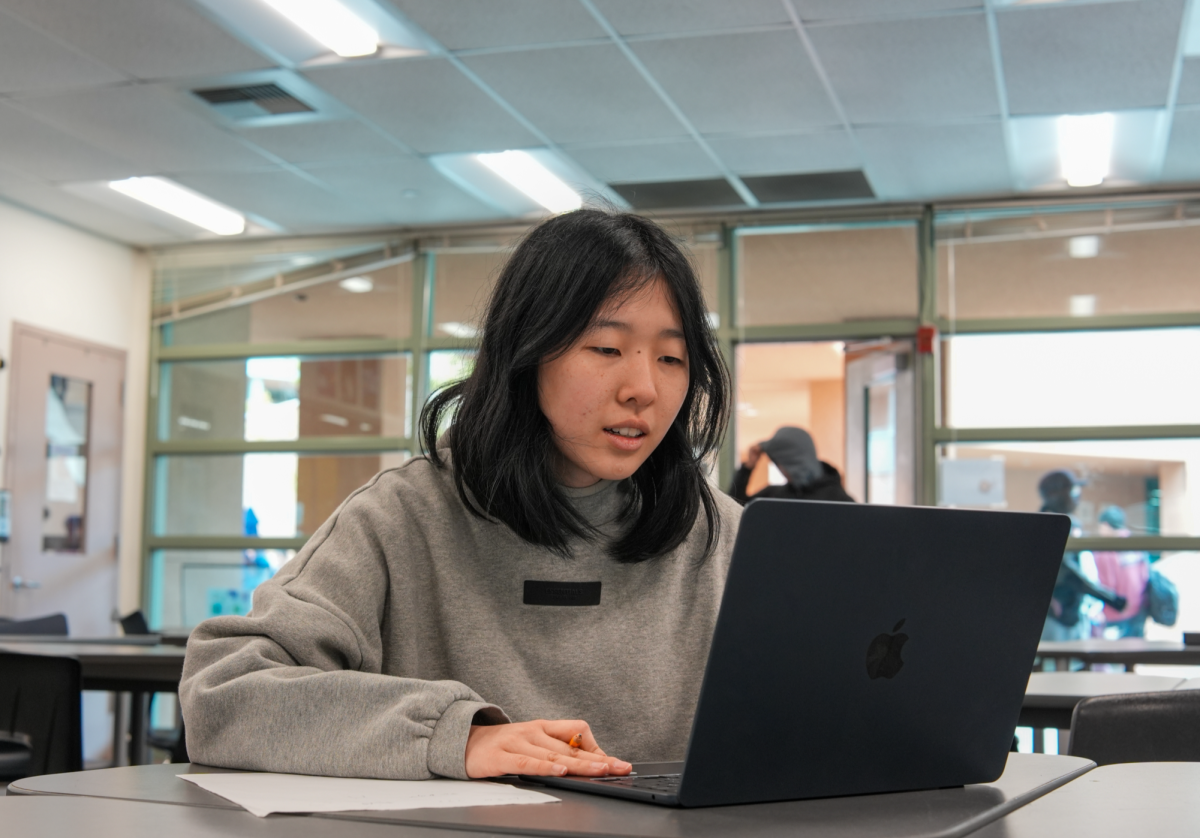
“It’s really easy for us as a society to just accept rumors and really just enforce them, saying, ‘Oh this is true about this person that the rumor is about,’” junior Madison Khang said. “That person who that rumor is about might feel smushed in a box, like they can’t escape that rumor; it feels like it’s always gonna be a part of them, which can definitely affect their mental health and their image of themselves.”
Social media reaffirms the idea of “holding people accountable,” giving ordinary individuals a chance to call out others’ wrongdoings. But this system has grown so toxic that people are being shunned for making the simplest mistakes.
There’s a key difference between holding someone accountable and holding them hostage to their past. Immediately canceling someone in circumstances where individuals don’t have the chance to positively change is significantly more harmful as it eliminates their chance to grow.
The constant scrutiny of society can feel like there’s a spotlight following you, waiting for you to make a mistake. Instead of casting each other out, we should strive to foster an environment where people can comfortably admit their mistakes, while actively learning from them.
According to Forbes, there are five ways to hold oneself accountable: clear expectations, clear capability, clear measurement, clear feedback and clear consequences.
In our daily lives and across campus, we can start with tangible changes to help create a safe environment. At school, we must positively communicate our concerns without outwardly shaming or isolating a certain person. Encouraging healthy practices such as respectfully mediating a conflict where both sides can express their personal beliefs helps eliminate public embarrassment.
Think before reposting information. Choosing to address issues one-on-one instead of publicly will create a space where mistakes are opportunities for growth, not criticism.
It can be difficult to break away from societal norms, even when doing so is morally justified. Rather than giving in to unverified negative talk about someone, try to form your own opinions based on your knowledge. If you don’t agree with their actions, don’t rush to cut them off; instead, communicate and seek understanding.