
































Artificial intelligence continues to be more and more widely adopted and used, as businesses and organizations seek progress and innovation. However, the spread of AI comes at the cost of our environment and education, hindering collective progress.
According to the Massachusetts Institute of Technology, an extreme amount of water is needed to cool the hardware used for AI, straining water supplies and disrupting ecosystems.
By 2026, global AI data centers are projected to consume about 1,050 terawatt-hours of electricity, more than all but four countries in the world. This undermines progress towards climate action because of the excessive amounts of fossil fuel used to power the AI industry.
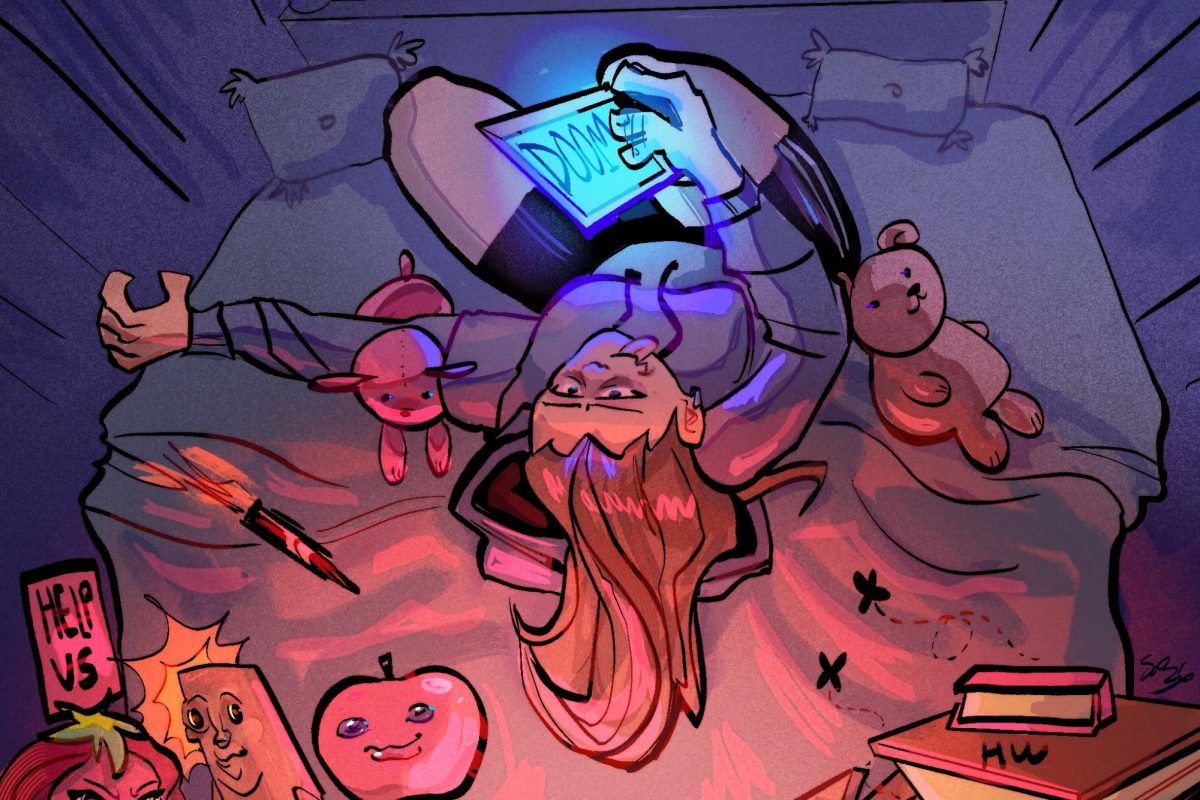
The consequences of AI reach beyond the depletion of global resources, as it also reshapes people’s daily lives. Many view it as an essential tool to study or plan their day, and the benefits of accessibility and efficiency are tempting. In settings including school and workplaces, avoiding AI has become increasingly difficult.
Even if it appears that almost every business and person has turned to this “magical” machinery, it risks stalling the enlightening process of human thought.
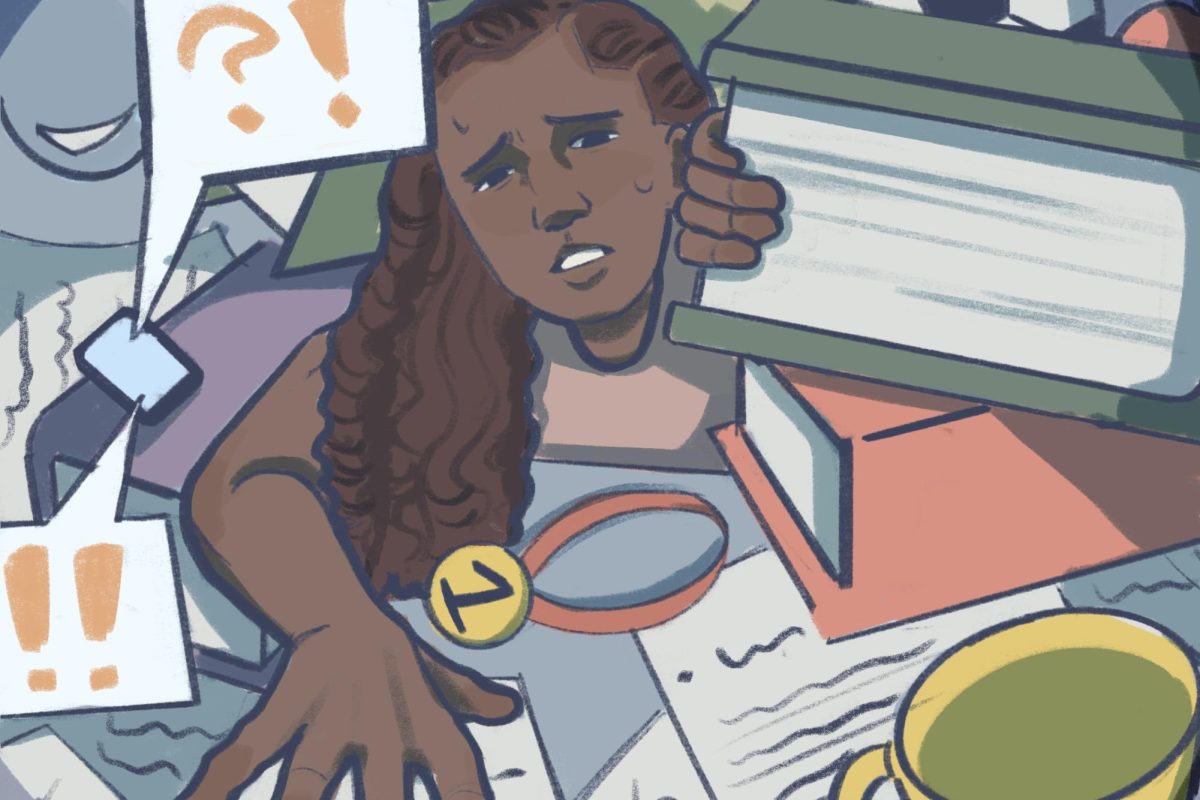
As students and the next generation of creators, relying on technology to think and problem solve can easily blur the boundaries between advancements and actual learning and education.
Research from Wharton University found that while AI improves the quality of individual ideas, those who use AI are likely to generate similar, if not identical, ideas. Thus, the variety of ideas that are essential for breakthroughs and new ideas is reduced, reducing opportunities for students to build independent critical thinking skills.
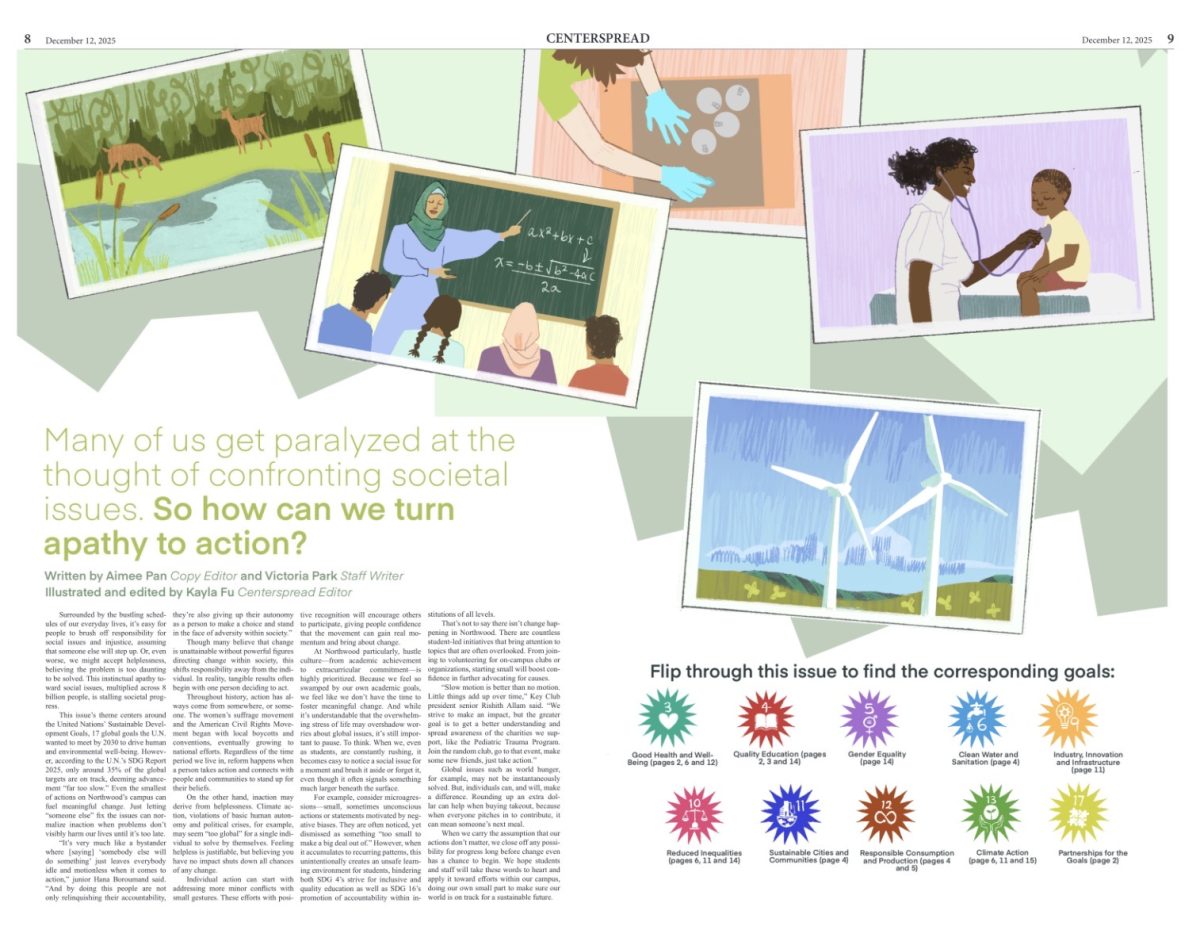
This stalls advancement toward the U.N.’s Sustainable Development Goal of providing quality education for all people.
Newsguard, a fake news tracker, discovered that AI tools repeated false information on topics in the news more than 35% of the time in August 2025, up from 18% one year earlier.
Genuine learning depends on students being able to evaluate accurate, trustworthy information online.
As AI becomes more widely used, it also increases the amount of AI-generated content, which means reliable sources can replaced by materials that are fabricated or inaccurate.
Cutting down AI usage is easier than most people believe. Even though no AI usage is hard to achieve, using the tool less by unpacking the problem first is a great way to start. Brainstorming or talking with another person can be alternatives to using AI to solve problems.
Technological innovation isn’t the only type of innovation; we also need human-based development in order to advance as a society. Once technological progress begins to harm the environment and interfere with education, it is not really progress at all.