






























For those do-gooders looking for ways to change the world, here’s an easy way to provide about 6,000 people with enough drinking water for a full day: just buy one used pair of jeans and one used T-shirt, instead of new ones. And the best part is that not only can you feel good about helping our planet and its inhabitants, but you can be part of a growing fashion trend.
The fast-growing fashion and textile industry annually generates nearly 92 million tons of textile waste, playing a large part in the rising climate-change crisis. A major contributor is fast fashion, whose primary market is young adults and teenagers. Many Northwood students are making a change by focusing on an alternative: thrifting and upcycling.
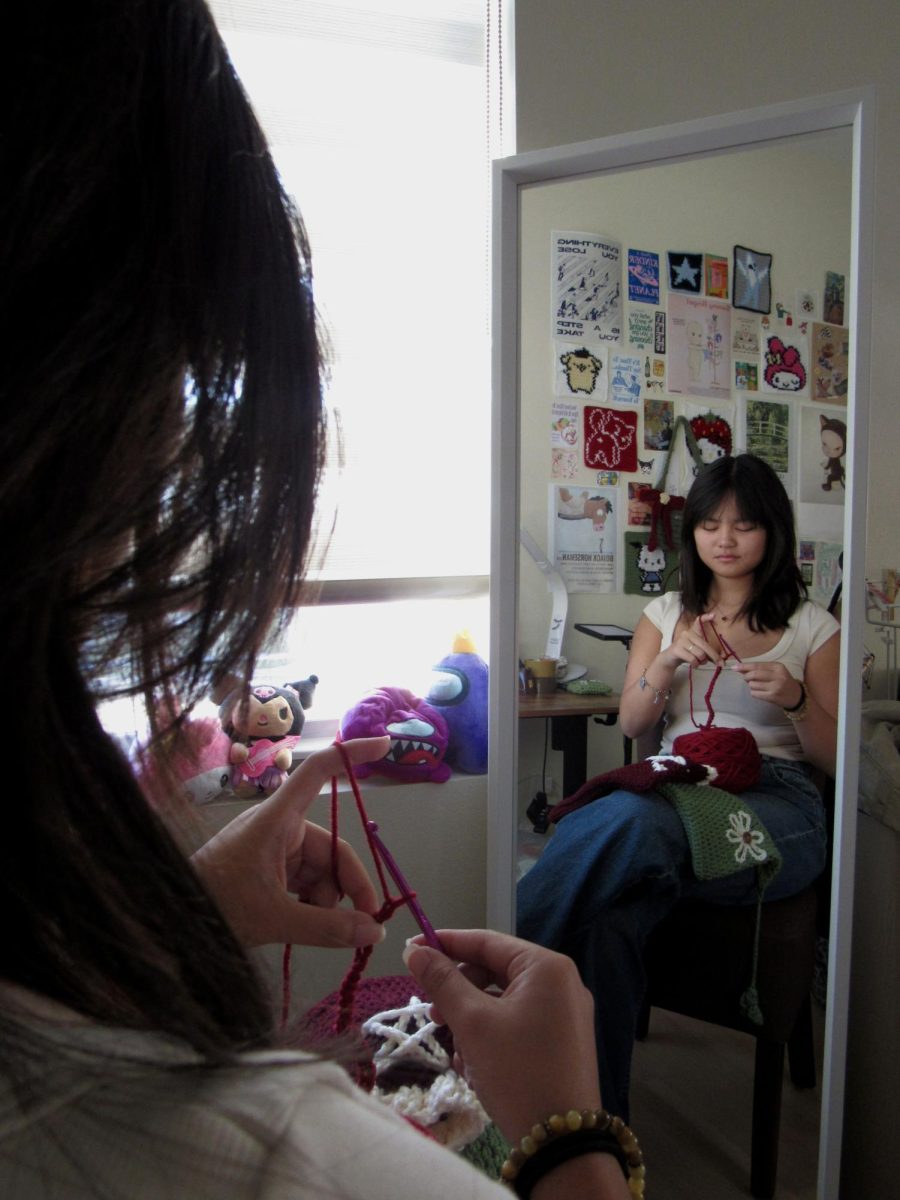
Thrifting and upcycling–buying used or old clothes and redesigning them or altering them–is a growing trend at Northwood. Many regard it as an affordable, sustainable and creative alternative to traditional shopping.
Affordability is a key component that has contributed to the rise in thrifting and upcycling. According to CNBC, prices in all fashion categories have risen by an average of $17 since last year.
“This Halloween, I thrifted my costume and it was from goodwill,” freshman Kara Yoo said. “It was really cheap, and I think it’s a pretty good experience.”
According to the Economics Observatory, the number of times a piece of clothing is worn, on average, has fallen significantly since the early 21st century due to fast fashion. Repurposing existing clothes mitigates this and reduces the waste produced when making new clothes.
“Compared to fast fashion, first of all, you get to have that experience of just thrifting and having fun with your friends,” Yoo said, “Also fast fashion these days is really bad for the environment. And I feel like upcycling can really help humanity and society today.”
Students also find upcycling to be a great outlet for creativity and community.
According to senior Glory Parel, this is a prominent goal for her fashion club, Love and Lace.
“I’m hoping sometime in the second semester, we’ll actually start working [to] upcycle clothes and training,” Parel said. “If we just learn to be creative with our clothes, then that improves your style and helps the world.”
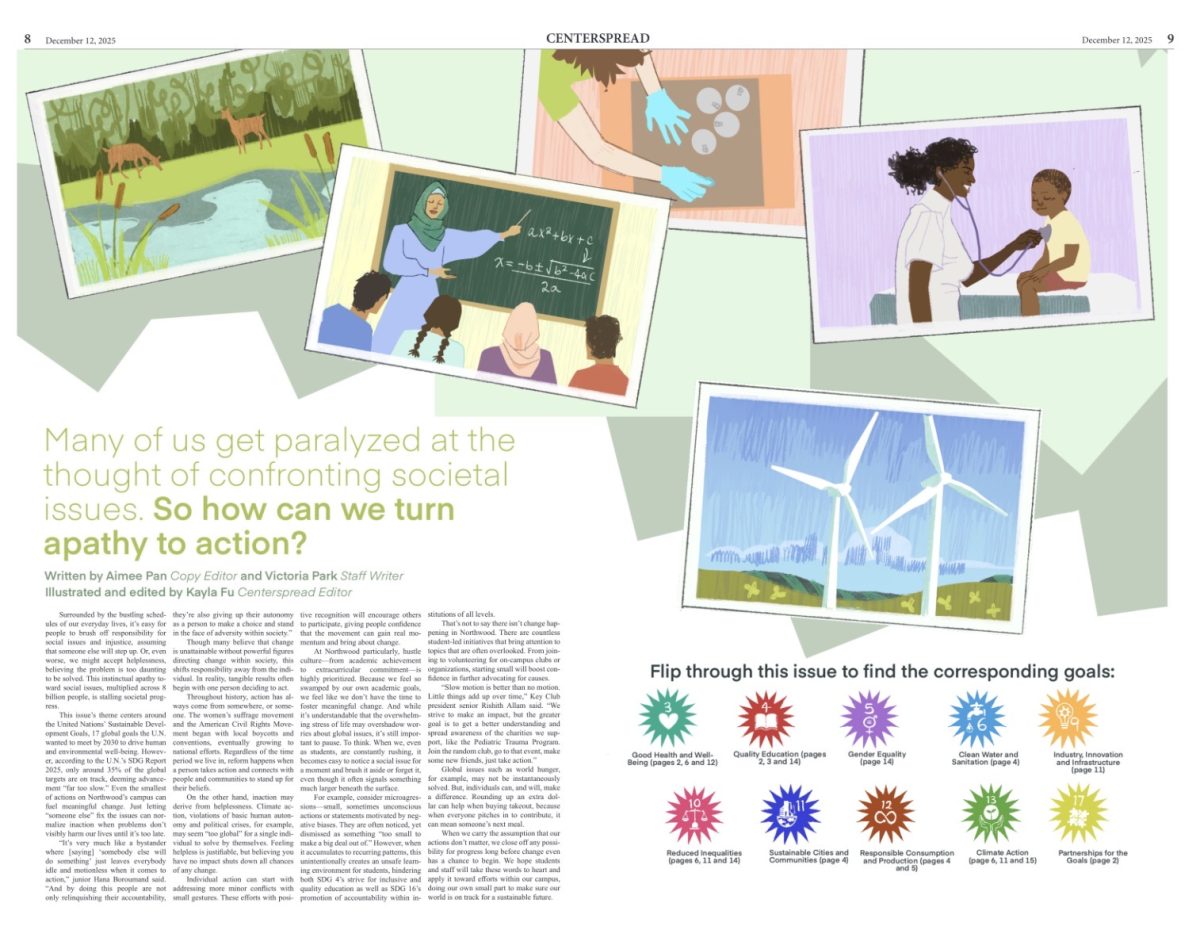
On a larger scale, upcycling and thrifting clothes aligns with U.N. Sustainable Development Goal 12: Responsible Consumption and Production, which encourages waste reduction and a more thoughtful use of resources.
“It’s a cheaper and better alternative to buying at market price,” sophomore Joseph Hill said. “By upcycling, we’re saving the earth and making less waste in the world.”