







































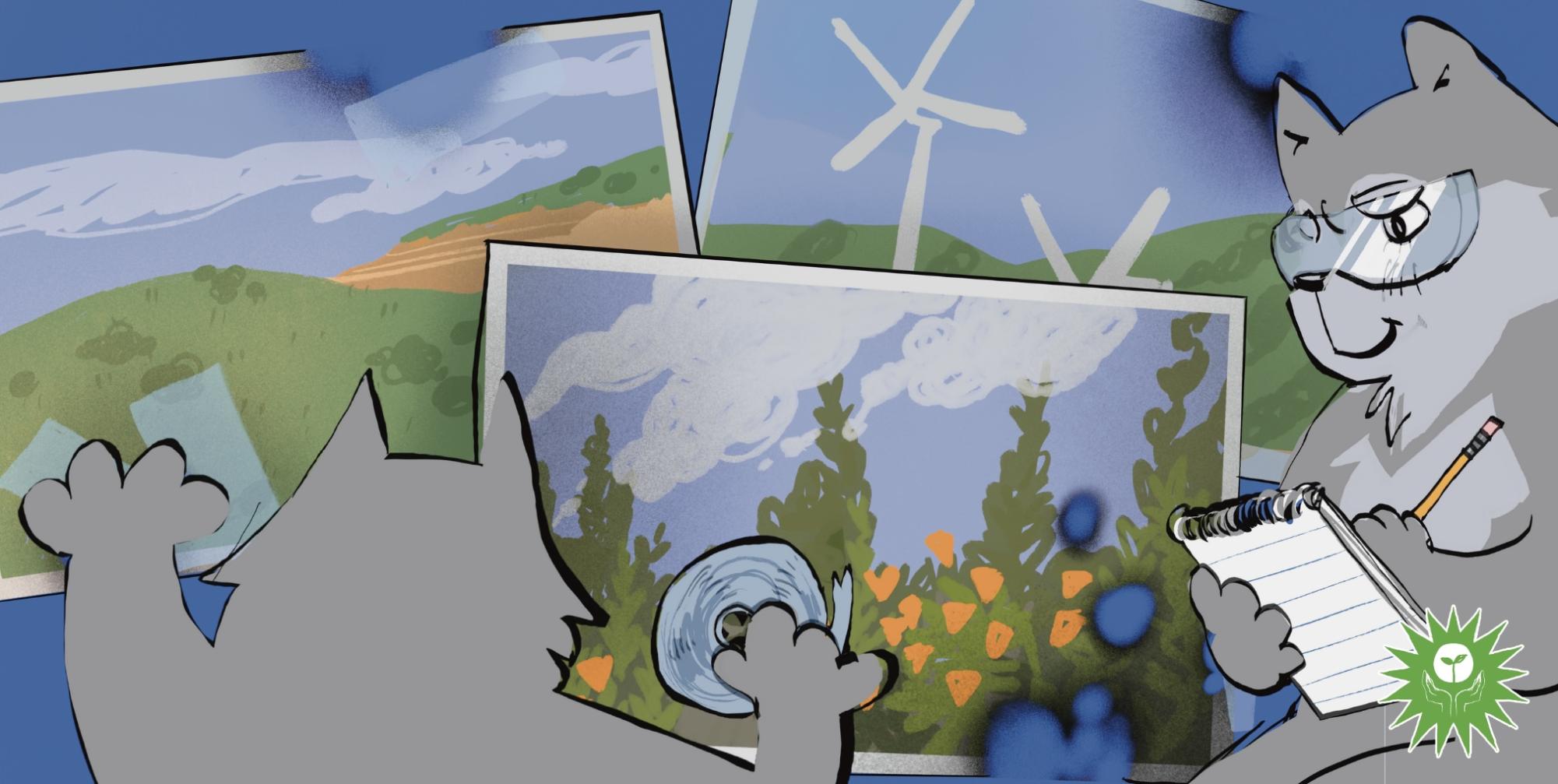
Orange County is known for its beaches, coastal breezes and blue skies. But, lately, rising heat and worsening air quality are replacing the region’s postcard image with a new reality defined by environmental risk.
Temperatures in Southern California, including Irvine, continue to rise. First Street Statistics, a data company that specializes in climate risk, predicts that by 2055, Irvine will see 35 days where the temperature rises above 90 degrees Fahrenheit, more than double the current number. (In 1995, Irvine saw zero such hot days.)
Summer heat is a hazard to OC residents, especially those who perform vigorous physical activity, such as athletes and construction workers. The problem is not just local, but global. According to the World Meteorological Organization, there is an 80% chance that at least one year between 2025 and 2029 will be warmer than the warmest year on record, which was 2024.
We should check weekly temperature forecasts and stay indoors on hotter days to prevent overexhaustion and heat fatigue. The Harvard School of Public Health says everyone should drink at least 11 cups of water daily to keep hydrated and stay protected from above average heat.
In addition to heat waves, there is also another danger in the air we breathe. The California Department of Fish and Wildlife describes how a century of fire suppression efforts throughout the 1900s has destabilized our local forests by raising generations of ecosystems without natural fires; today’s forests are densely packed and their trees grow bark that are vulnerable to fire. Evaporating moisture and more flammable vegetation lengthen the fire season, which produces large amounts of airborne toxic ash that is easily carried hundreds of miles by gusts of wind, even to students at Northwood.
While we might still be seeing pure clouds and blue skies, be sure to watch out for air quality warnings weekly on reliable forecasting services such as AccuWeather and the default weather apps on mobile phones, especially during summer when wildfire frequency and severity peaks. Wear a mask that can filter out harmful particles. According to the California Department of Public Health, N95, KN95 and FFP2 respirators are more effective than cloth surgical, paper or dust masks.
As climate conditions worsen, students should also be more aware about what is happening in our environment. “Climate change refers to long-term shifts in temperatures and weather patterns,” said the U.N. in its “What Is Climate Change?” article. “But since the 1800s, human activities have been the main driver of climate change, primarily due to the burning of fossil fuels like coal, oil and gas.”
Classes such as AP Environmental Science and AP Biology as well as environment-focused clubs can provide us with the needed knowledge to become change-makers instead of bystanders.
