



























Paying for a drink, catching the bus or doing laundry probably feels self-explanatory to most high schoolers. But for some students, completing everyday tasks can be a bit more complicated.
With that in mind, the Irvine Adult Transition Program was established by IUSD in 1981 to help young adults with neurodevelopmental disabilities transition from high school to independent adulthood. IATP’s goal is to foster confidence and practical skills that will serve students in real-world settings.
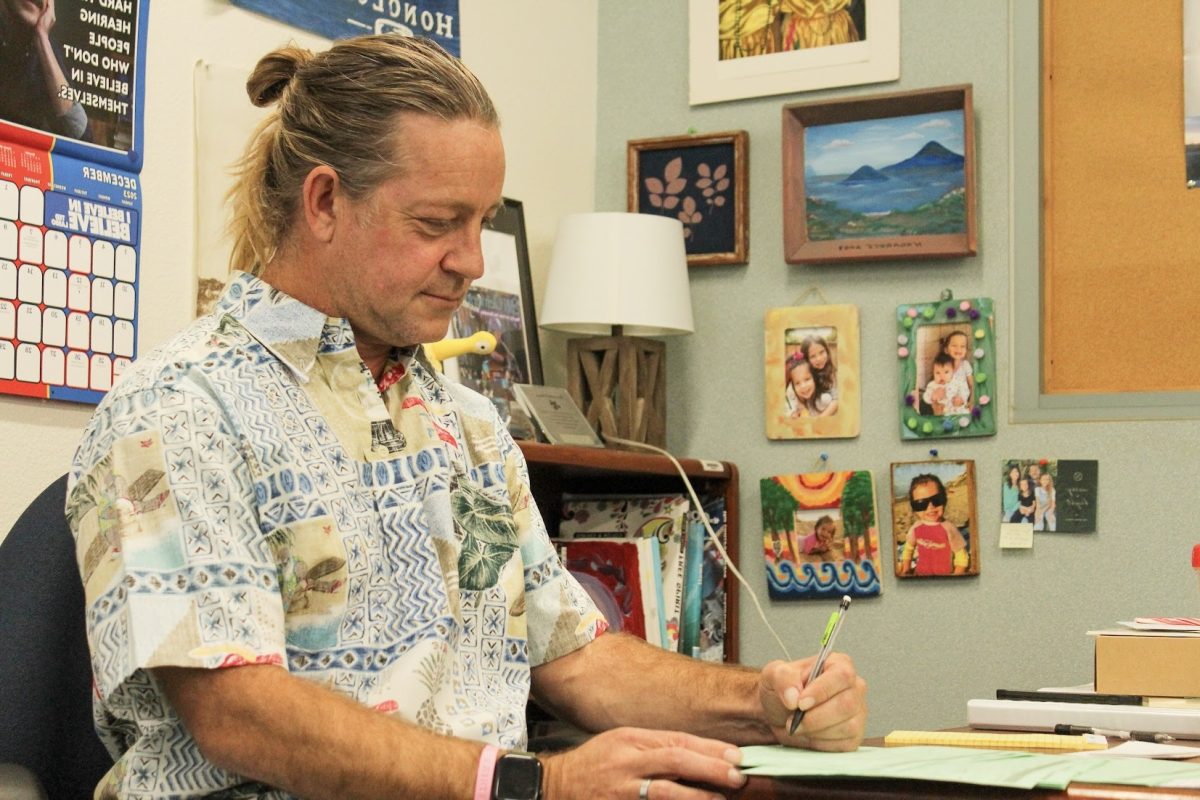
IATP students attend full-time, from 9 a.m.-3 p.m. on weekdays. Program administrator Karena Gibbs, who oversees all the staff and handles its day-to-day operations, emphasized how success looks different for each of the roughly 100 students in IATP.
“Each student has their own unique needs; some students come to us already fairly independent, while others rely on staff for support,” Gibbs said. “We hope to teach skills so they can become as independent as possible for their unique needs.”
A typical day with IATP starts at the Legacy Education Center, near Woodbridge High School, where students begin their mornings with an agenda overview before diving into a variety of work-related activities necessary for those seeking employment.
“Our students walk away with a lot from the [mock] businesses we simulate,” Gibbs said. “We teach them skills so that they would either, A, be inspired to start their own business, or B, be able to get a job like working at a coffee shop or something of that nature.”
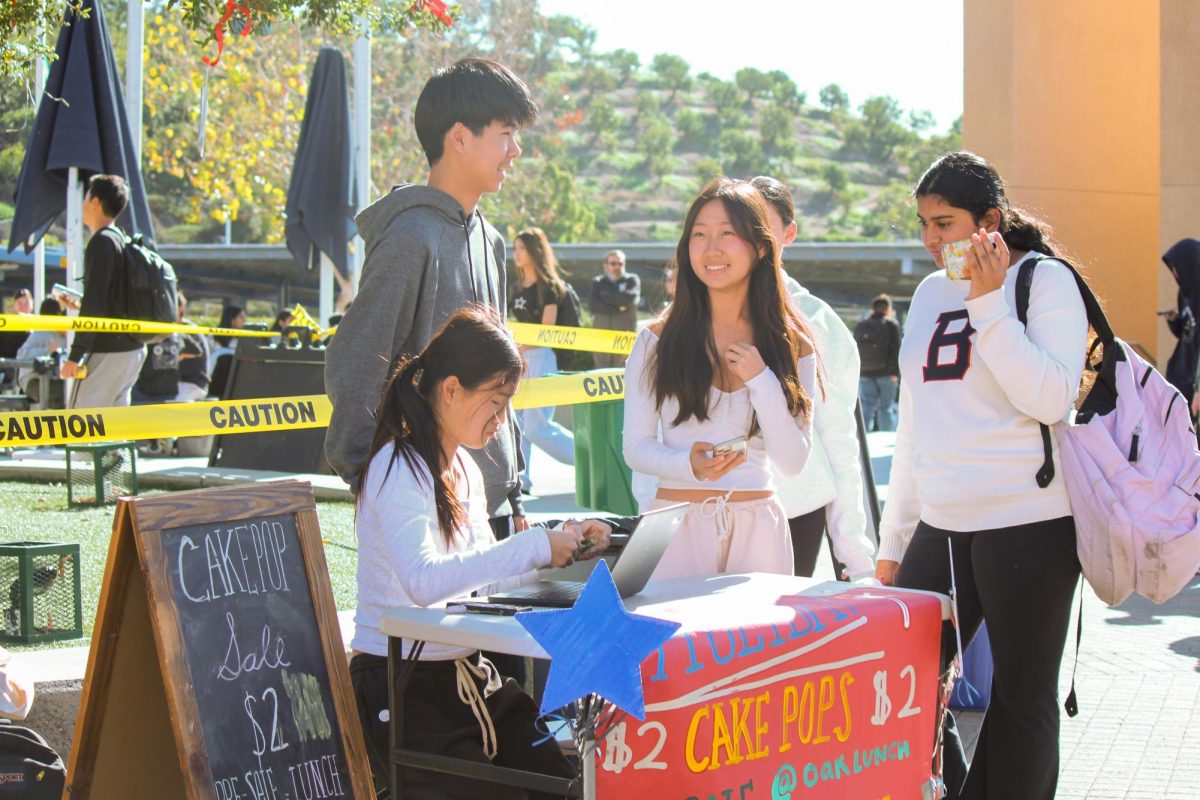
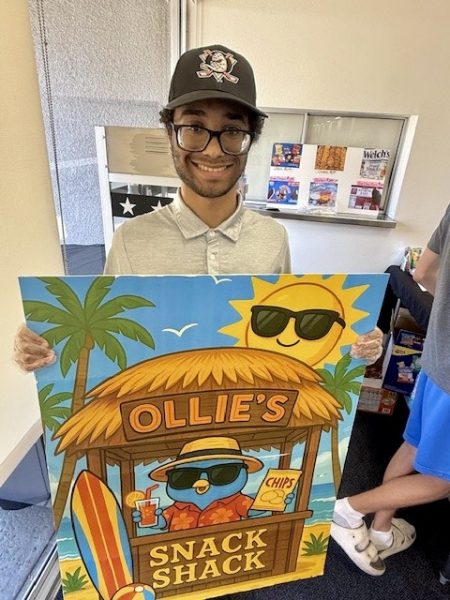
Examples of mock businesses include selling T-shirts or coffee, and managing a laundry service, where students learn how to measure detergent, fold clothes and use dryers. Students who participate sell real products and exchange real money.
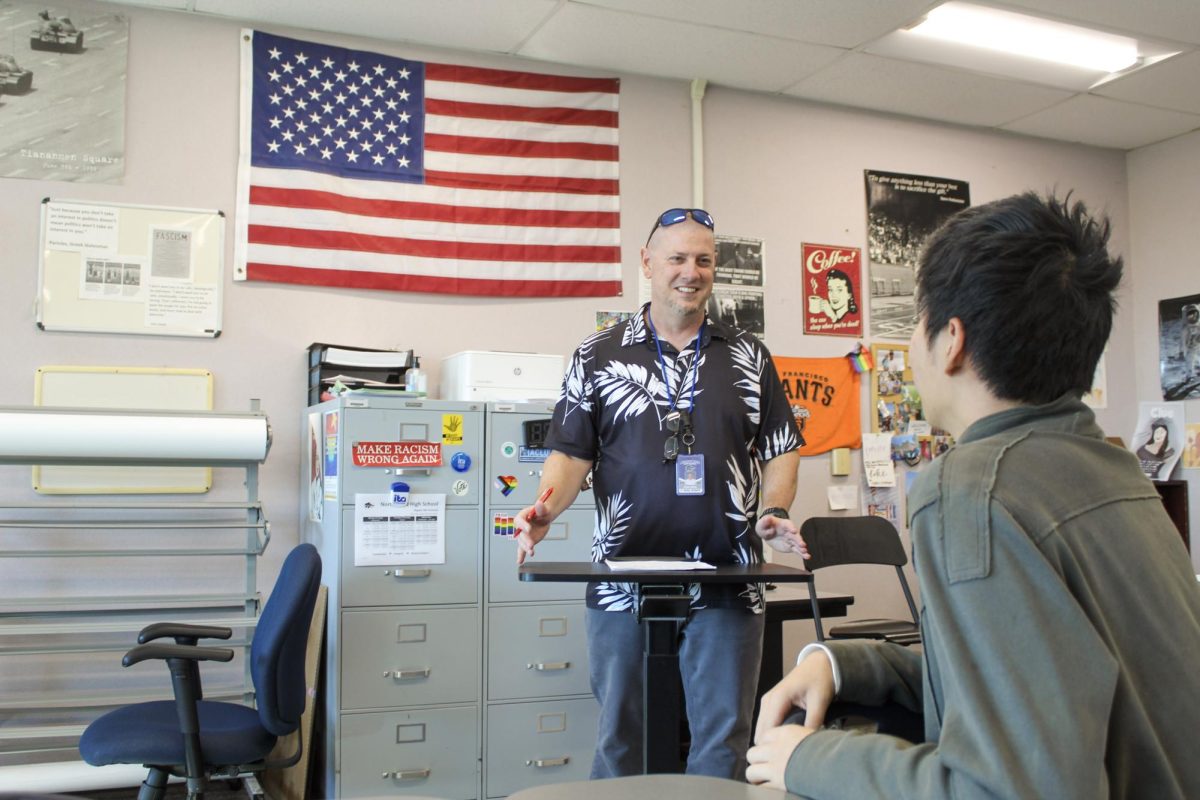
“My favorite one is the coffee cart,” education specialist Shaun Beutner said. “We’re teaching students how to brew coffee, pour coffee, measure amounts of cream and sugar, recite an order form and give back change to customers. There’s just so many skills that go into that work site.”
Occasionally, students attend social outings to local restaurants to practice their communication and ordering skills. The program also provides navigational training so students can confidently travel around their community, whether it’s taking the bus or using GPS.
Beside the hands-on workshops, IATP provides specialized academic instruction to help students with disabilities learn general curriculum through modified teaching methods, content or delivery. Some students take alternative pathway diploma classes, such as a modified history class, which offers them the opportunity to obtain a high school diploma at their own learning level.
Learning at IATP is personalized. When students struggle with a new task, education specialists adopt multiple strategies until they notice progress, such as providing a step-by-step demonstration or a sketched model of the problem.
“I try strategy after strategy until I find out what works,” Beutner said. “It’s an extremely collaborative community because all the teachers are working together with the students.”
By the end of each year, IATP celebrates its own graduating class of students who’ve mastered milestones both big and small. For some, that means brewing coffee without reminders, and for others, it could be greeting a stranger “hello.”
Either way, each step makes the road ahead a little smoother.