
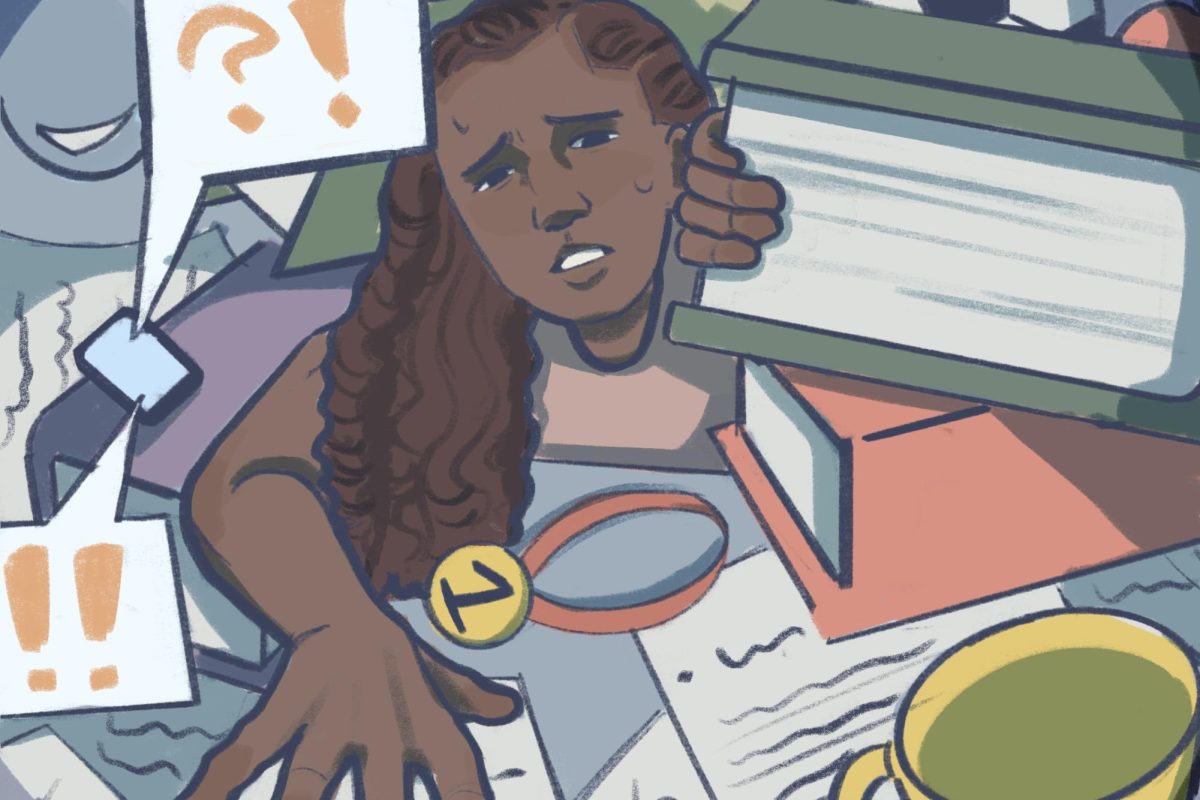




















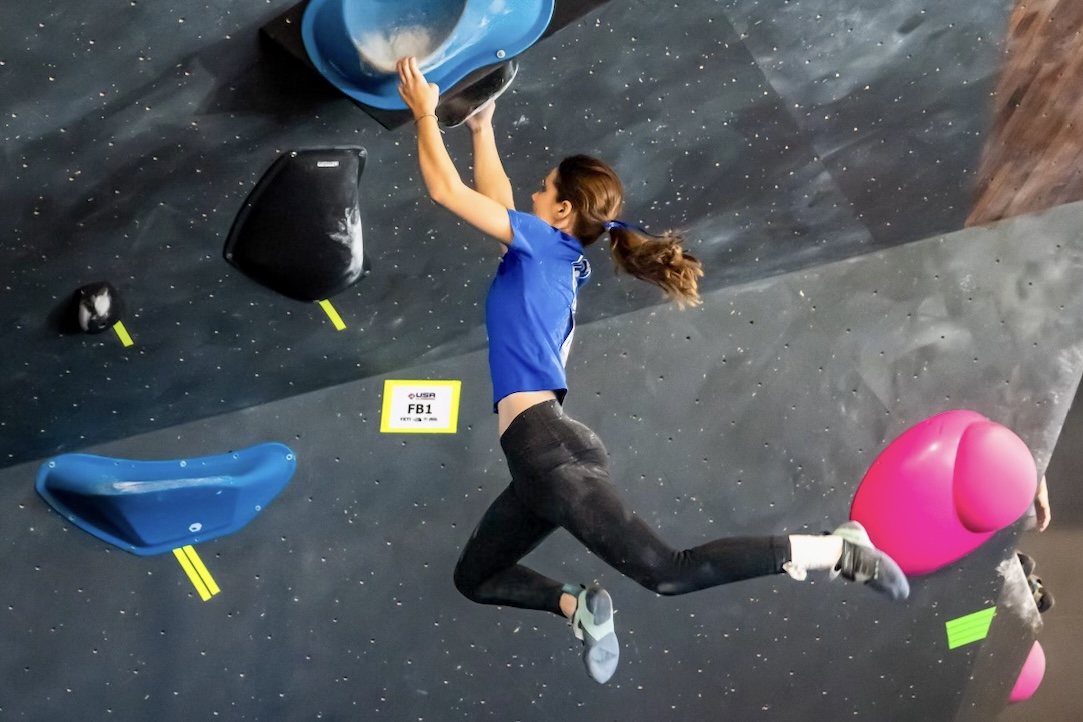














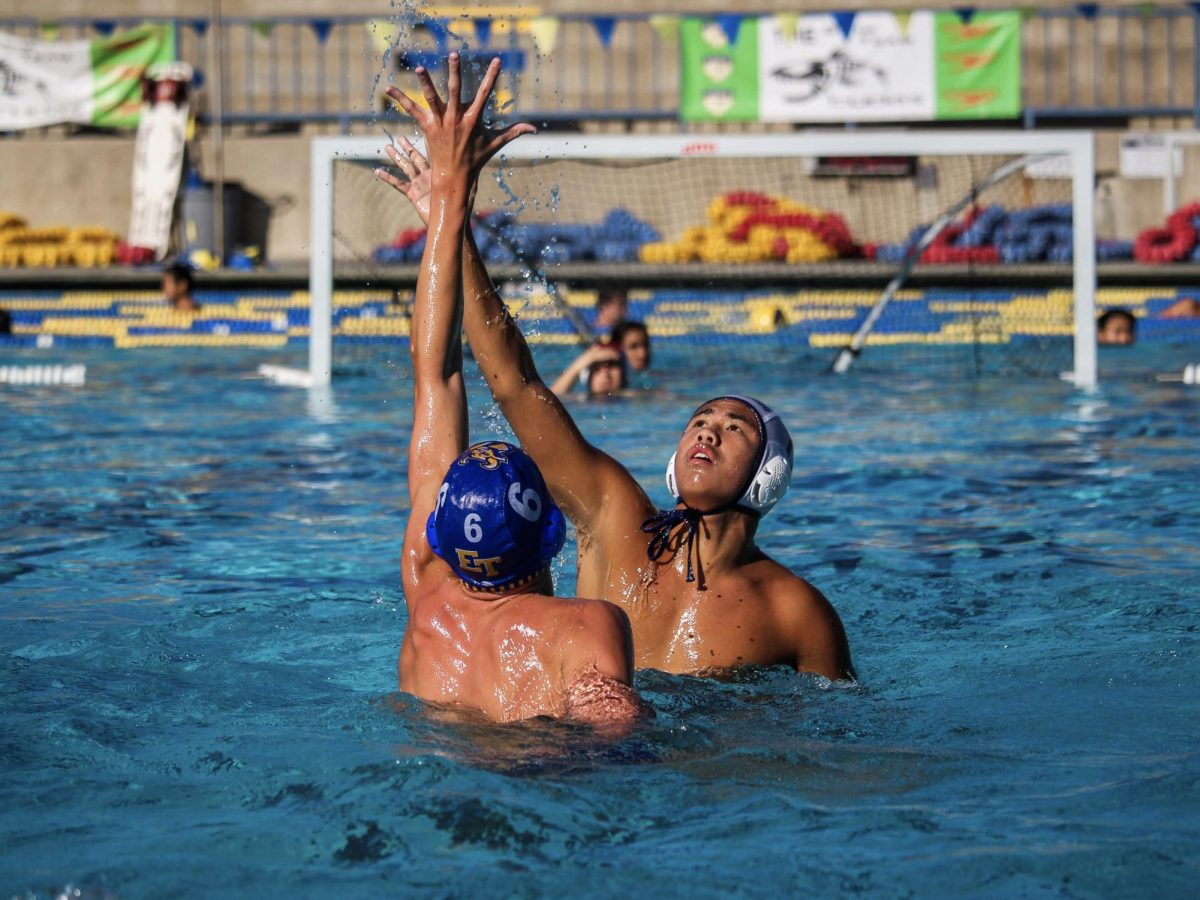

After long days that end in sweat and dirt, student athletes return home physically and mentally exhausted. Early dismissals for games only adds to this burden, creating a heavier workload with less support.
Early dismissals are common for athletes during away games, where teams travel to other schools to play one another. To coordinate this, students are pulled not only from fifth and sixth periods, but sometimes even a third or fourth.

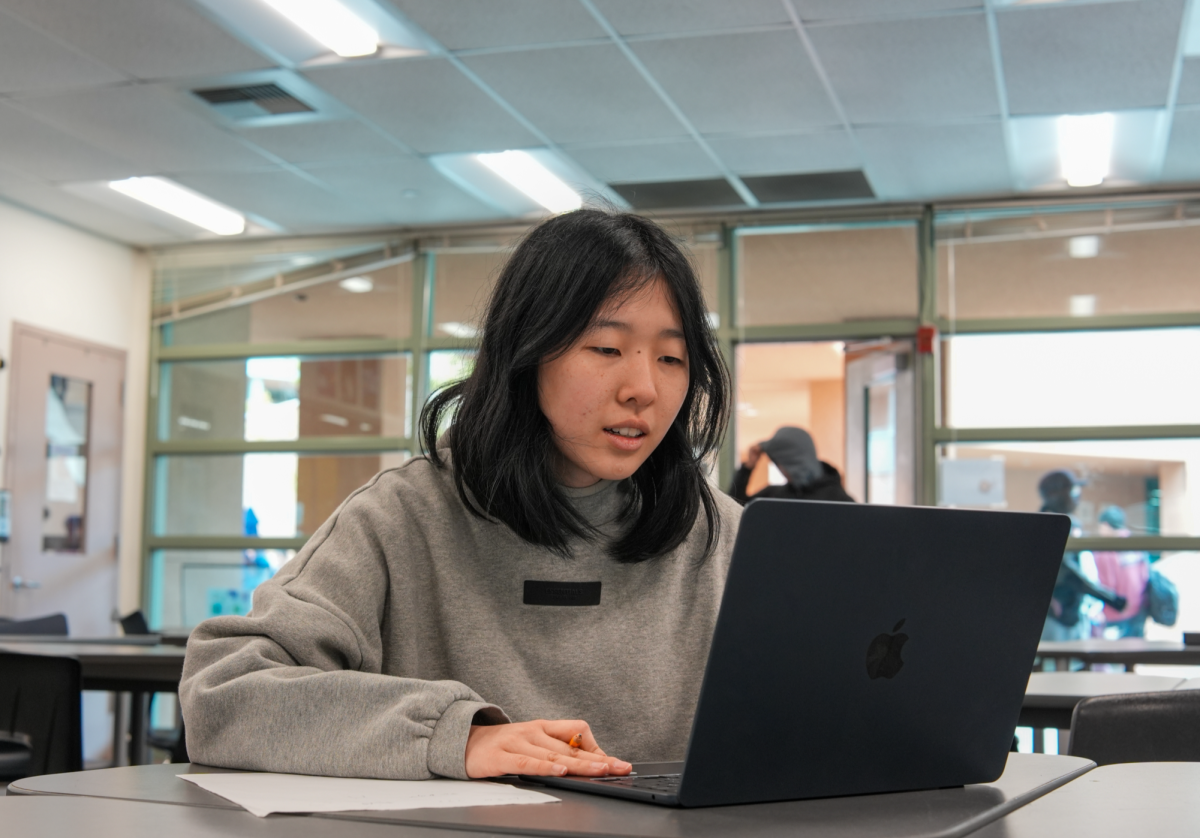
“If you miss one class, you’re missing a lot of heavy learning,” cross country athlete junior Maia Murthy said. “It’s so hard trying to make sure you understand everything you missed, especially if you’re busy going to different tutorials and then after school you have sports.”
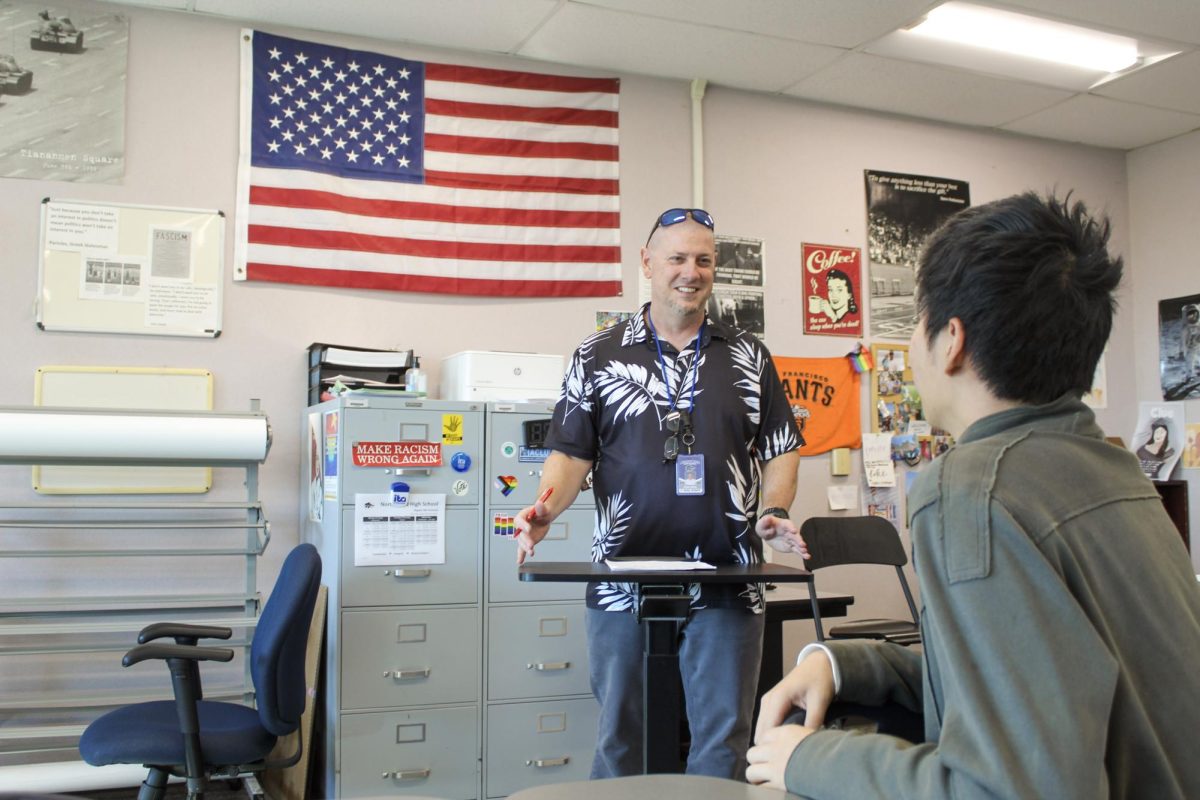
To combat such issues, teachers provide agendas and classwork online so that students can catch up by themselves. According to English teacher Jennifer Guy, the amount of missing work often depends on the early dismissal.
“When there’s a super early release, then, yes, we might need to have a little bit longer conversation,” Guy said. “But if they’re leaving the last 10 minutes of class, they’ve gotten the vast majority of the instruction and they pretty much can fill in on their own, or using Canvas, whatever’s missing.”
Despite such attempts, it is still difficult for student athletes to fully grasp everything without direct guidance or support. Students shouldn’t be expected to self-teach entire lessons, especially on top of the mental and physical workload that athletes already have to balance.
“You miss out on what [teachers are] looking for because when you do it on your own, you do it normally how a student would,” Murthy said. “For my friends and I, when we’re going through our classes, I don’t think we remember what we’re learning that entire day because we’re so scared of athletics and our performances.”
Despite this, multiple factors cause early release to be the only and best option left for athletes, coaches and sports.
“I think a lot of our athletes would love [no early release] ideally, because obviously, then they could actually, stay in class, get all the content, not feel like they’re missing things or trying to get caught up on things,” athletics director Sierra Wang said. “It’s just hard because of facilities, sunlight … schedule, transportation.”
To combat this, teachers are always available for support—from tutorial to office hours, communication is ultimately essential to a student-athlete’s success.
“Just communicate. I think at the end of the day, like, everyone’s here for the student-athlete’s best interest, right?” Wang said. “I always tell athletes that they should be a little proactive and try to have a conversation with the teacher before they actually get to the class.”
According to Wang, teachers can also be more prepared by checking the game schedules on the Northwood website.
“When you click the Northwood website and athletics, there’s literally a calendar there and it has all of our games already programmed in,” Wang said. “Our athletic secretary also sends out to the staff every Friday and puts kids [who] have an early dismissal so teachers can see the week ahead.”
There is no doubt of the importance of sports and physical activities, but student athletes should not be expected to sacrifice their education for it. Students should be students in school and to the extent possible, athletes should be athletes when, and only when, the bell rings.