






























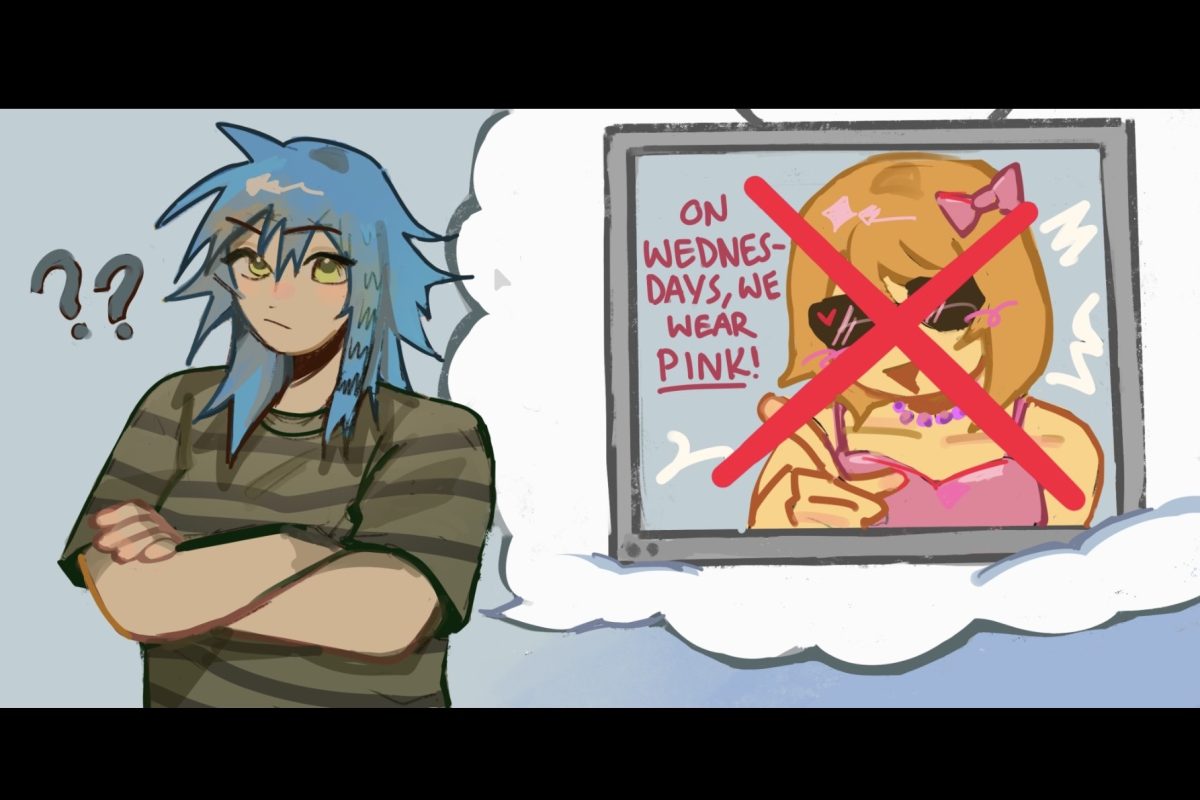
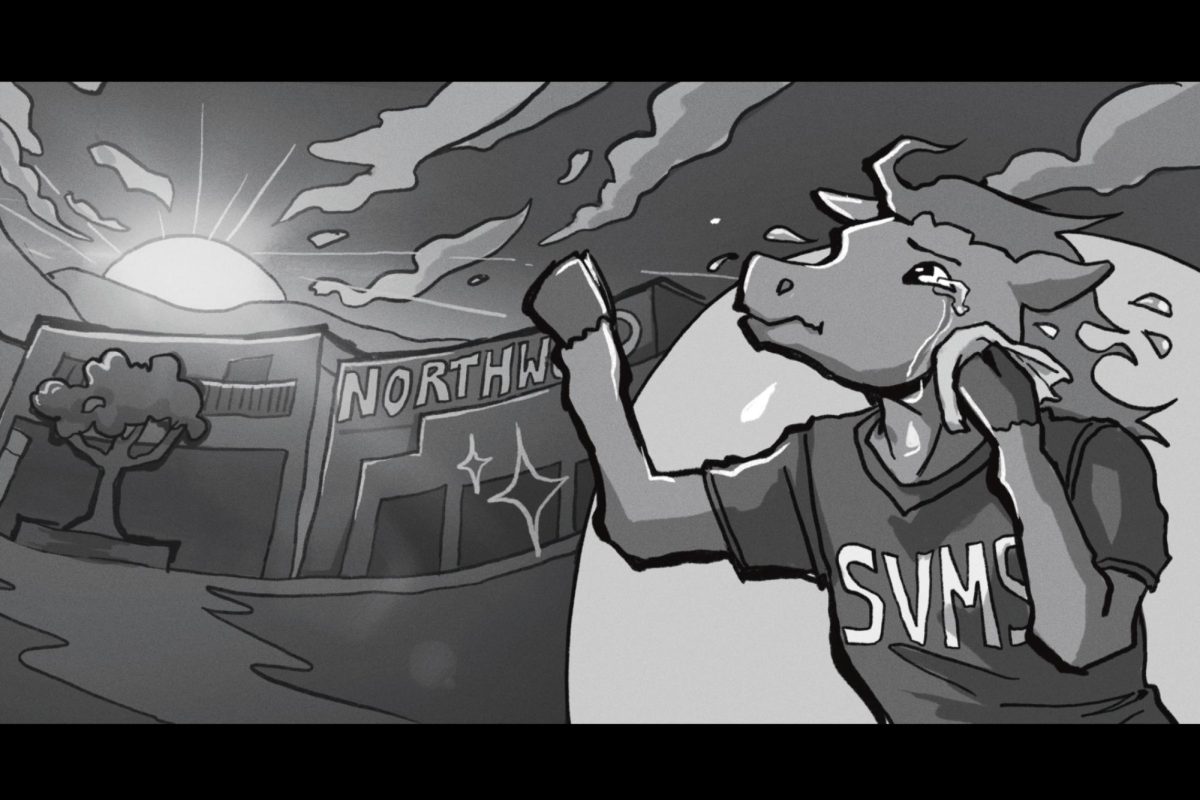












When ominous clouds shroud the bright California sun and layers of cuddly blankets start calling your name, starting any task can feel extremely overwhelming.
“Laziness” might not be the culprit; rather, seasonal affective disorder may be the cause. And if it is, it’s important to acknowledge that seasonal affective disorder affects you and find ways to mitigate its effects through self-care and forgiveness.
SAD is a type of seasonal depression that occurs when reduced sunlight exposure disrupts the body’s circadian rhythm. Symptoms include difficulty concentrating and feeling sad and sluggish.
Millions of Americans experience SAD, often starting in early adulthood. Though it’s a common condition, many people often brush it off as “winter blues” and blame themselves for failing to meet self-imposed expectations of efficiency. Since there is no known way to prevent SAD, self-degradation is certainly not the answer.
Therefore, the worst thing to do is to feel guilty for missing a deadline and try to make up for the “lost” time by pulling an all-nighter. Fatigue and mental fog will increase significantly the next day, and repeated reliance on such unhealthy habits can exacerbate SAD by causing long-term physical and mental health issues.
For those experiencing mild SAD symptoms, exercising outdoors to increase sun exposure and adhering to a sleep schedule (even on weekends) can help align your circadian rhythm with your school schedule. Artificial light therapy, such as using a light box or a dawn simulator for thirty to sixty minutes in the morning, can also help alleviate the gloominess of the dark mornings.
Furthermore, taking preventative measures before summer ends can help reduce SAD symptoms when the gloom does hit. However, SAD sometimes cannot be treated at home; therefore, it is important to seek timely medical help when needed.
If you or someone you know is experiencing severe symptoms of SAD or having thoughts of suicide, call or text the 988 Suicide and Crisis Lifeline at 988 or chat at 988lifeline.org . In life-threatening situations, call 911.